-
Pandemic Led to No Prolonged Spike in Anxiety Levels in the U.S., Study Indicates
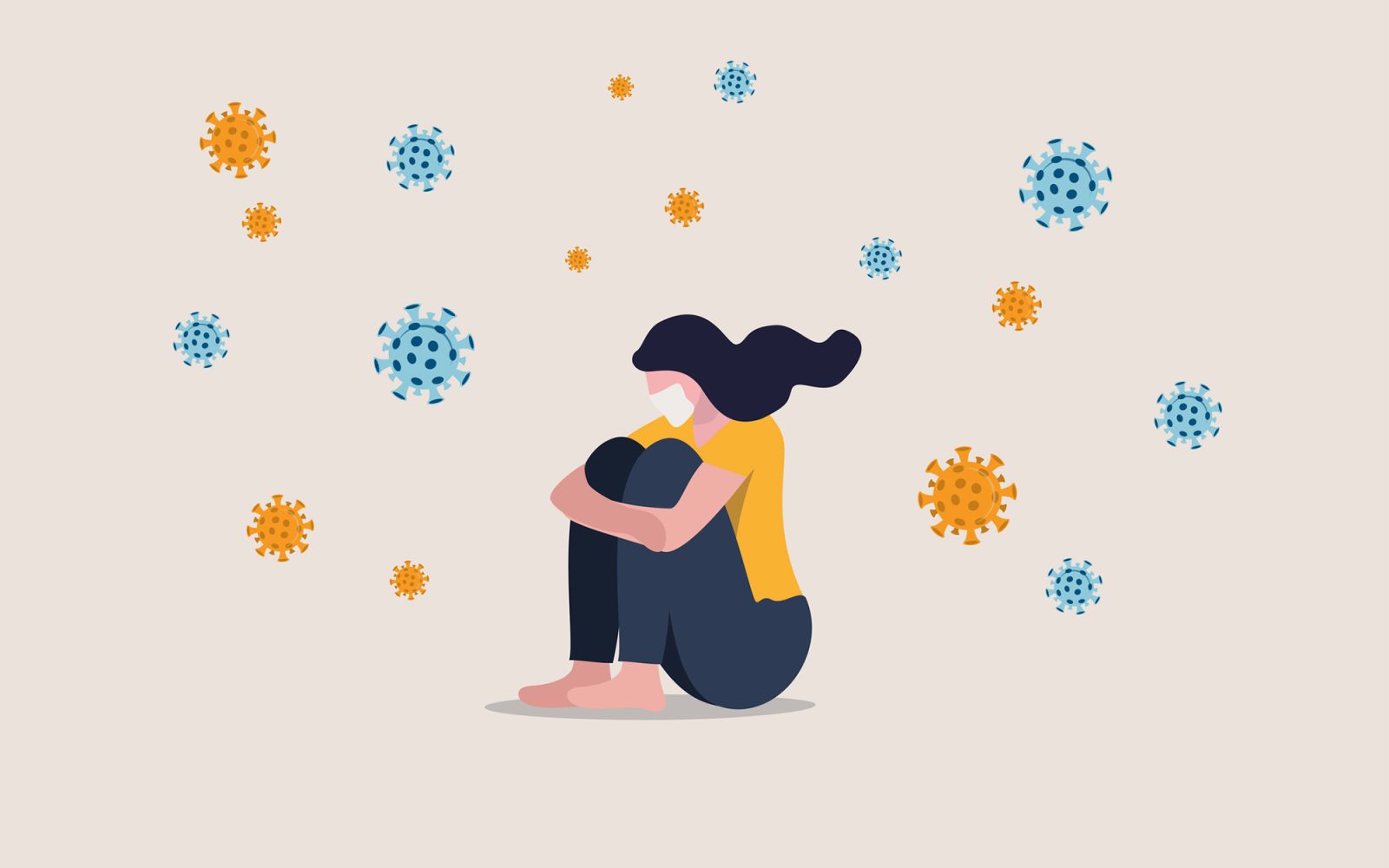
Anxiety symptoms among U.S. adults, even during the COVID-19 pandemic, appear to have remained stable, according to a massive online study spanning more than a decade.
-

David Sbarra and the Impact of Social Connection on Public Health
The APS Fellow is taking a critical look at his pioneering research at the intersection of clinical and social psychology.
-
Cultural Differences Account for Starkly Different Responses to COVID-19
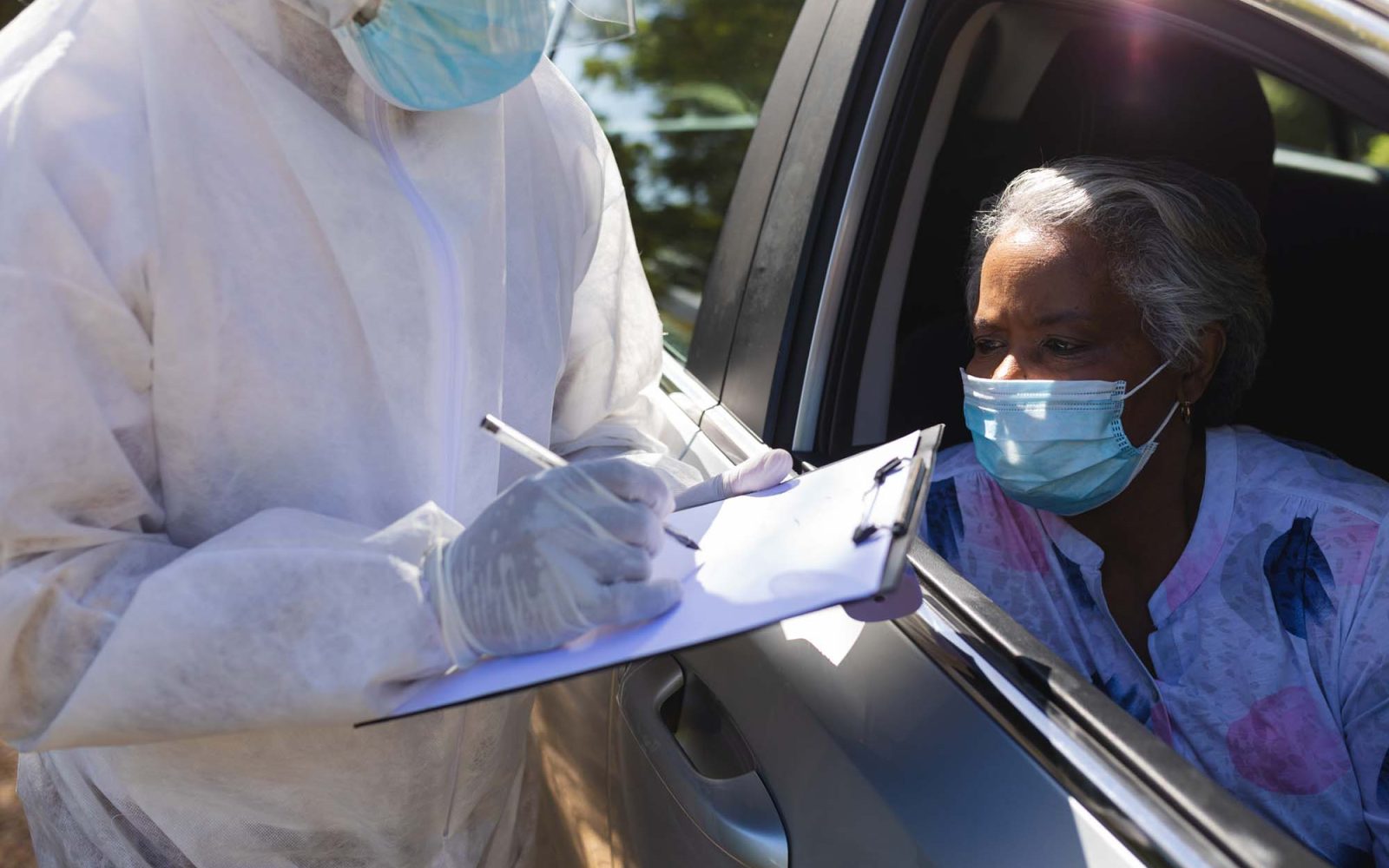
The cultural differences between the United States and East Asian countries that contributed to divergent COVID-19 outcomes are the focus of the latest issue of Psychological Science in the Public Interest.
-

Are We Ready for the Next Public Health Crisis?
Five years after the COVID-19 pandemic, researchers are asking what we can learn to better prepare for future health crises.
-
Science in Service: Leveraging Psychological Science to Put the “Public” in Public Health
Psychological scientist Diane M. Hall explains how her training informs her work at the U.S. Centers for Disease Control and Prevention and public health more broadly.
-
Special Issue of Clinical Psychological Science Examines the Effects of COVID-19 on Mental Health
Eight articles focus on different aspects of mental health in the context of the global pandemic.
-
Memory Makes It Hard to Fight Pandemics. But We Can Always Strive to Remember Lessons Learned
A multidisciplinary panel explored how psychological science might contribute to understanding digital contact tracing, maximizing its capabilities in the future and otherwise improving preparedness for future pandemics.
-

How Work Is Evolving Under the Pressure of COVID-19
An interdisciplinary program of speakers shared research on the COVID-19 pandemic from a variety of perspectives, including big-data analyses, research methodologies, individual differences, and group inequities related to jobs, well-being, and social status.
-
Freedom Versus Security: Can We Find the Right Balance?
A paper published in Perspectives on Psychological Science suggests that restricting freedoms may have unintended negative consequences for behavior and health, but psychological science may help strike a balance.
-
Psychology Meets Biology in COVID-19: Past, Present, and the Road to Recovery
Psychological scientists have long known that psychological and social factors can affect our responses to viral infections and vaccinations, but that critical connection seems to have eluded many of the public health officials and others charged with leading the global response to the COVID-19 pandemic in its early days.
-
Why Some People Won’t Get Vaccinated
Is there anything we can do to change the minds of people to follow medical advice and get vaccinated? To help us unravel these vexing questions, Under the Cortex welcomes author and psychologist Dr. Stuart Vyse.
-
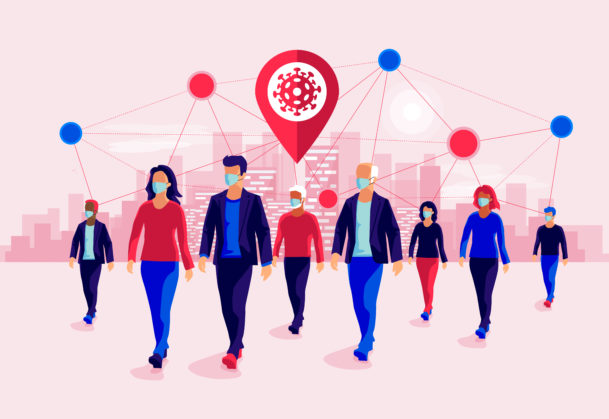
Strengthening Contact Tracing Through Psychological Science
One way to improve the effectiveness of contact tracing is to treat infected people like important witnesses to the spread of a virus and use an approach informed by research on memory and witness interviewing.
-
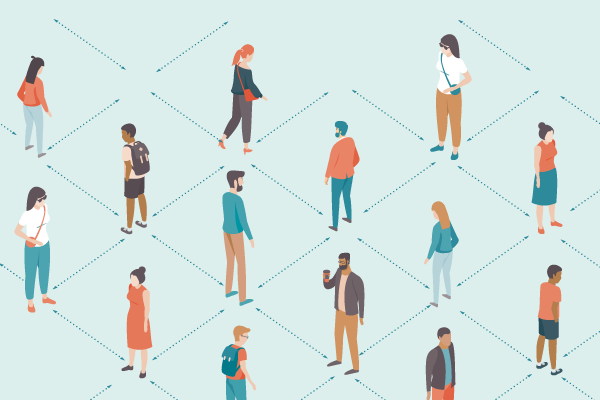
Friendly and Open Societies Supercharged the Early Spread of COVID-19
The case to “flatten the curve” is bolstered by new data showing a connection between social openness and the initial rapid spread of COVID-19.
-
Mapping the Moods of COVID-19: Global Study Uses Data Visualization to Track Psychological Responses, Identify Targets for Intervention
More than 60,000 participants have participated in a global study to investigate the psychological implications of the COVID-19 pandemic.
-
Now Is Not the Time for Precrastination
Psychological science reminds us that the preference to get things done ASAP can have far-reaching consequences. APS Fellow David A. Rosenbaum explores in the context of COVID-19.
-
Human Behavior in the Time of COVID-19: Learning from Psychological Science
Highlights of APS’s recent outreach efforts to broadly share what psychological science says about epidemics and how human behavior might mitigate the spread of COVID-19.
-
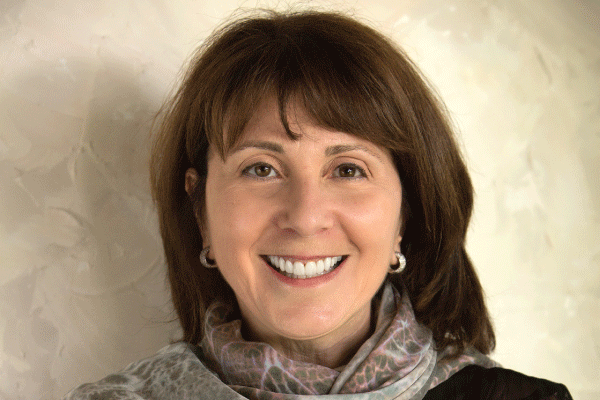
Mind, Body, Illness: Amidst Pandemic, Opportunities for Discovery
In her final column as APS President, Lisa Feldman Barrett points to a key area of scientific research that could benefit physicians, epidemiologists, and virologists on the front lines of the COVID-19 pandemic.
-
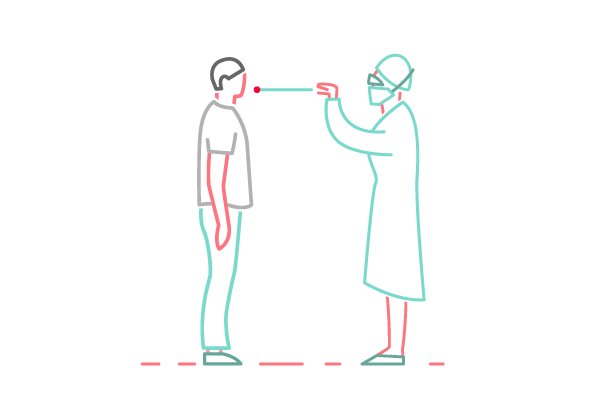
Saliva as a Biospecimen in the Era of COVID-19
Psychological scientists will need to adopt new practices and protocols to continue conducting saliva-based research safely.
-
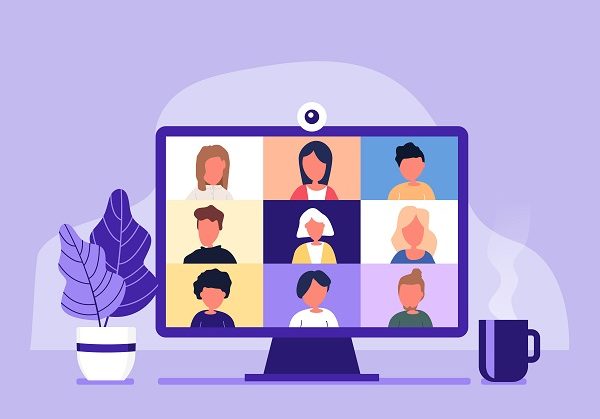
APS Backgrounder Series: Psychological Science and COVID-19: Working Remotely
Expert commentary from Tammy Allen, who specializes in work-family issues, career development, and occupational health. [April 13, 2020]
-
APS Backgrounder Series: Psychological Science and COVID-19: Social Impact on Children
Expert commentary from Vanessa LoBue on emotional development and the effect of emotion and experience on perception and learning. [April 1, 2020]
-
APS Backgrounder Series: Psychological Science and COVID-19: Remaining Resilient During a Pandemic
Expert commentary from APS Fellow George A. Bonanno, on the topic of resilience at a time of loss and trauma. [March 31, 2020]
-
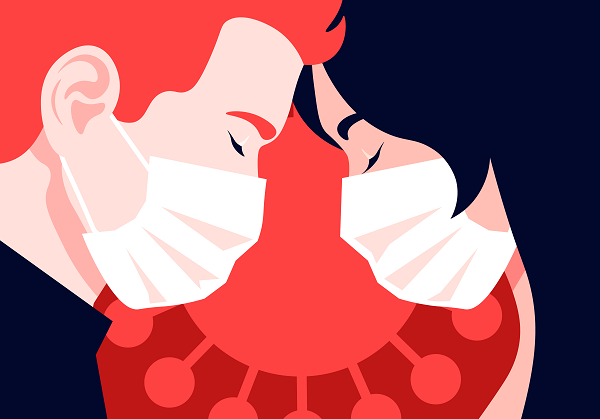
APS Backgrounder Series: Psychological Science and COVID-19: Pandemic Effects on Marriage and Relationships
Expert commentary from Paula Pietromonaco on close relationships during pandemics. [April 24, 2020]
-
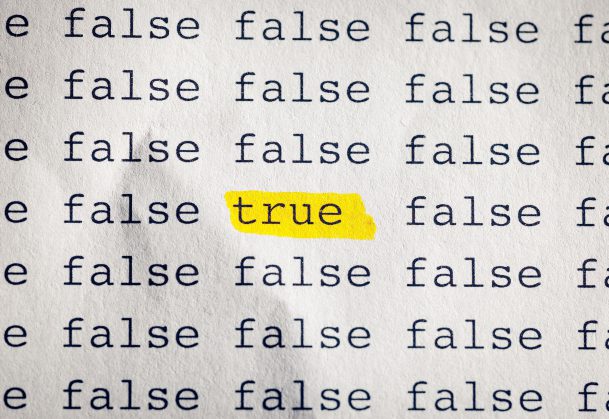
Misinformation: Psychological Science Shows Why It Sticks and How to Fix It
Childhood vaccines do not cause autism. Global warming is confirmed by science. And yet, many people believe claims to the contrary. Why does misinformation stick?
-
Contracting COVID-19: Lifestyle and Social Connections May Play a Role
New research proposes lifestyle, social, and psychological factors may increase the risk of contracting COVID-19. [July 9, 2020]
-
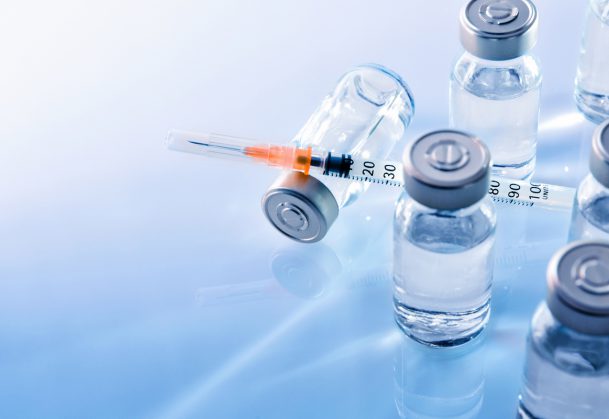
Behavioral Strategies More Effective Than Persuasion in Promoting Vaccination
A report in Psychological Science in the Public Interest identifies the most effective ways to increase vaccination rates.
-
APS COVID-19 Collaboration Offers Recommendations to White House on Community Mental Health
Experts from the APS Global Collaboration on COVID-19 have responded to a call for input on digital health from the White House.
-
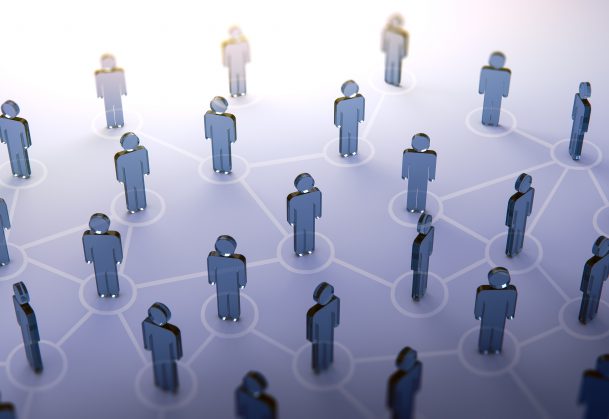
Information Is Contagious Among Social Connections
Advanced computer modeling shows that the memory of one individual can indirectly influence that of another via shared social connections in large groups.
-

Inability to Feel Pleasure Could Influence Opioid Addiction Treatment, Scientists Say
A team of clinical scientists is examining a possible psychological symptom that may heighten craving and risk of replace for people recovering from opioid dependence.dependence.
-
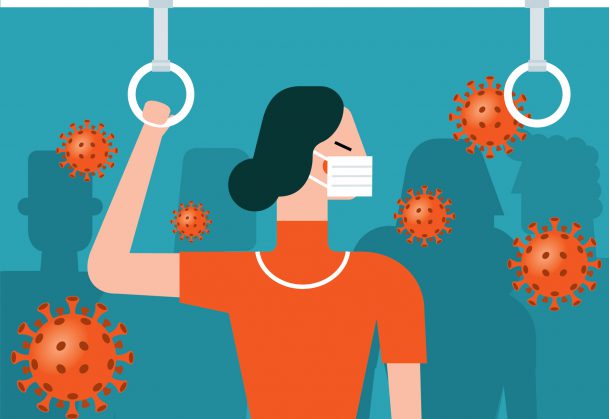
Sneezing in Times of a Flu Pandemic: Exposure to Public Sneezing Increases Fears of Unrelated Risks
The swine flu (H1N1) pandemic has received extensive media coverage this year. The World Health Organization, in addition to providing frequent updates about cases of infection and death tolls, recommends hyper vigilance in daily hygiene
-
Addressing COVID-19 Challenges With Japanese Researchers
Opportunity co-funded by the UK Economic and Social Research Council (ESRC) and the Japan Society for the Promotion of Science (JSPS)
-

Adding Value and Solving Problems: Virtual Networking for Scientists
Techniques and strategies for making connections remotely, identifying pain points, and building collaborations with your future colleagues.
-
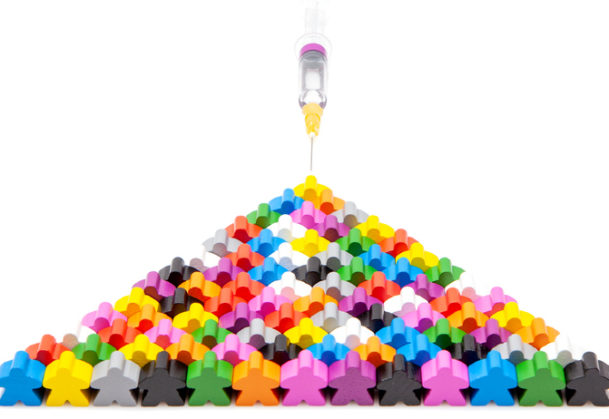
Individuals With Intellectual and Developmental Disabilities Were Excluded From COVID-19 Vaccine Priority Guidelines
It is critical that the entire I/DD population gains access to priority vaccines, writes developmental psychologist Emily Hotez.
-

Policy in Action: Navigating Behavioral and Well-Being Public Policy
Perspectives on Psychological Science paper charts course through ethics, politics of interventions.
-
A ‘Nudge’ May Not Be Enough to Counter Fake News Online
Can people learn to better identify fake news about COVID-19—and if so, would they be less likely to share that fake story with others? Perhaps, but it may take more than simply priming them to think more critically beforehand.
-
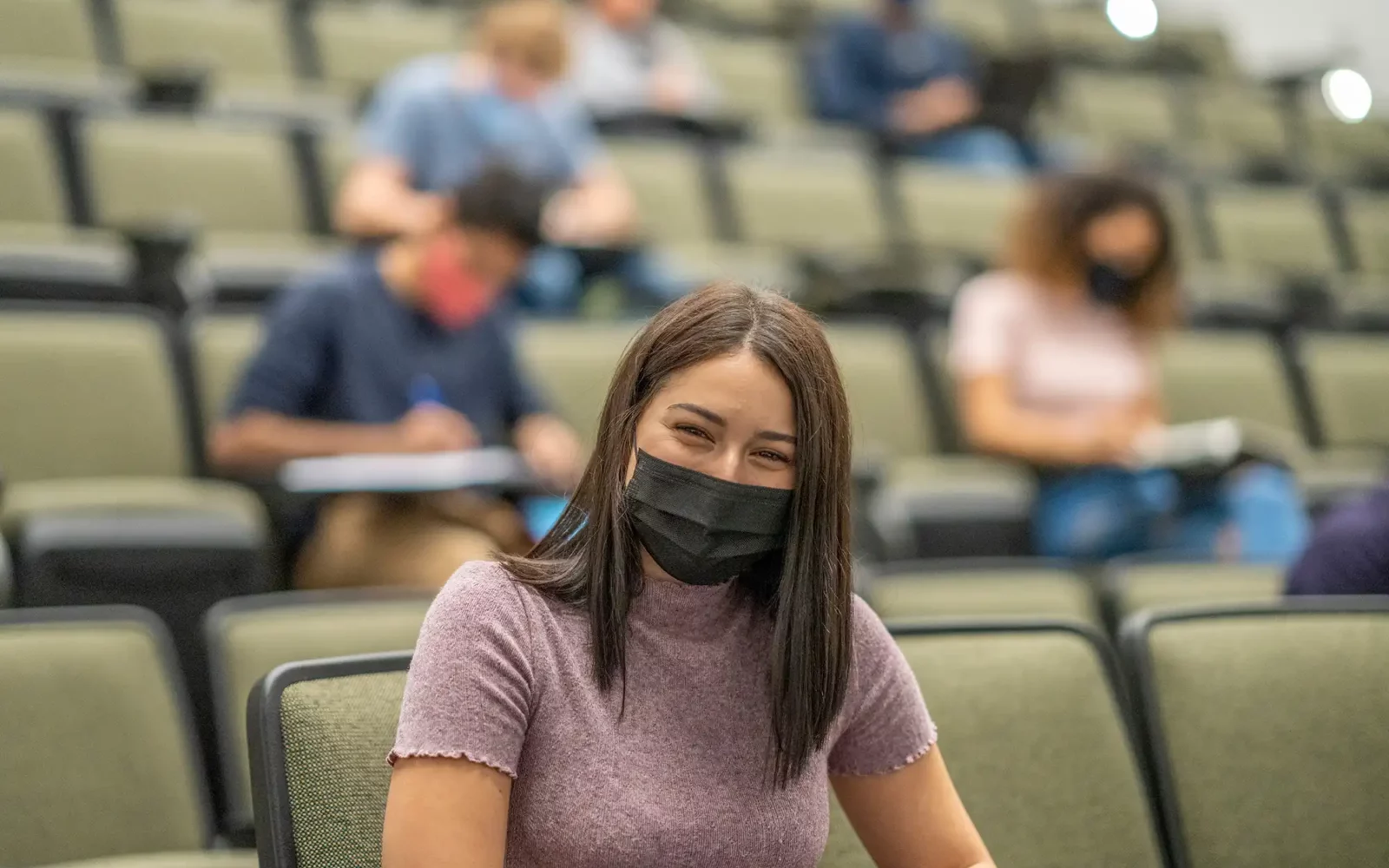
Applying Psychological Science to Educational Policy and Practice: COVID-19 and the College Admissions Process
In a July 21 webinar produced by the APS Global Collaboration on COVID-19, four speakers from multiple areas of research and practice discussed how the pandemic has magnified interest in research on test-optional policies for college admissions.
-
Psychological Science and Epidemics: Voices of Experts
The science of psychology can help inform public debate and understand public behavior related to COVID-19.
-

Science in Service: Providing Behavioral Advice During a Pandemic
Michael Bang Petersen offers three principles for advising public policymakers based on his experience serving the Danish government.
-

APS Backgrounder Series: Psychological Science and COVID-19: Conspiracy Theories
What does psychological science have to say about conspiracy theories, especially during the COVID-19 pandemic? [May 27, 2020]
-

APS Journal Research Related to Epidemics: Publicly Available Online
To aid in understanding the current pandemic, published research related to epidemics has been made publicly available.
-
APS Backgrounder Series: Psychological Science and COVID-19: Social Impact on Adults
Expert commentary from Chris Segrin, whose research focuses on social skills, relationship development and satisfaction. [April 2, 2020]
-
Depression and Stress Could Dampen Efficacy of COVID-19 Vaccines: news release, video, and podcast
-

Communicating Psychological Science to a Sometimes-Skeptical Public
Overcoming anti-science beliefs will require proactive public-awareness and issue-management campaigns.
-
Mental Health in a Global Pandemic: Lessons Learned From Psychological Science
Nearly 2 years into the COVID-19 pandemic, an emerging body of literature is revealing the pandemic’s mental health impact on children, adolescents, and adults, including those who had previously been diagnosed with a mental illness.
-
Increasing Vaccination: Putting Psychological Science Into Action
Research on vaccination behavior shows that the most effective interventions focus directly on shaping patients’ and parents’ behavior instead of trying to change their minds.
-

WHO Working Group Turns to PSPI Report as Part of Vaccination Research Initiative
The World Health Organization has turned to recent report in Psychological Science in the Public Interest to help assess vaccination practices across the globe.
-

How Behavioral Science Can Help World Leaders Reach Vaccination Goals
It’s World Immunization Week. The new issue of Psychological Science in the Public Interest details the behavioral strategies that scientists have tested to increase vaccination rates across the globe.
-
PsyCorona: A World of Reactions to COVID-19
This online data visualization tool provides a historical record of psychological and behavioral reactions to the pandemic, based on responses from more than 60,000 participants globally.
-
Behavioral ‘Nudges’ Offer a Cost-Effective Policy Tool
A study examining the cost-effectiveness of nudges and typical policy interventions shows that nudges often yield high returns at a low cost.