Podcast: In this episode, Under the Cortex hosts Wilson Merrell to discuss disease concealment and the factors that contribute to it.
Psychological experiments historically included lab-invented secrets and simulated social interactions. But a fresher body of research explores the secrets people keep in their everyday lives, experimental psychologist Michael Slepian wrote in a new article for Current Directions in Psychological Science.
What accounts for resistance to science-backed evidence and vulnerability to misinformation and conspiracy theories? Takeaways from an integrative science symposium at APS’s 2023 International Convention of Psychological Science.
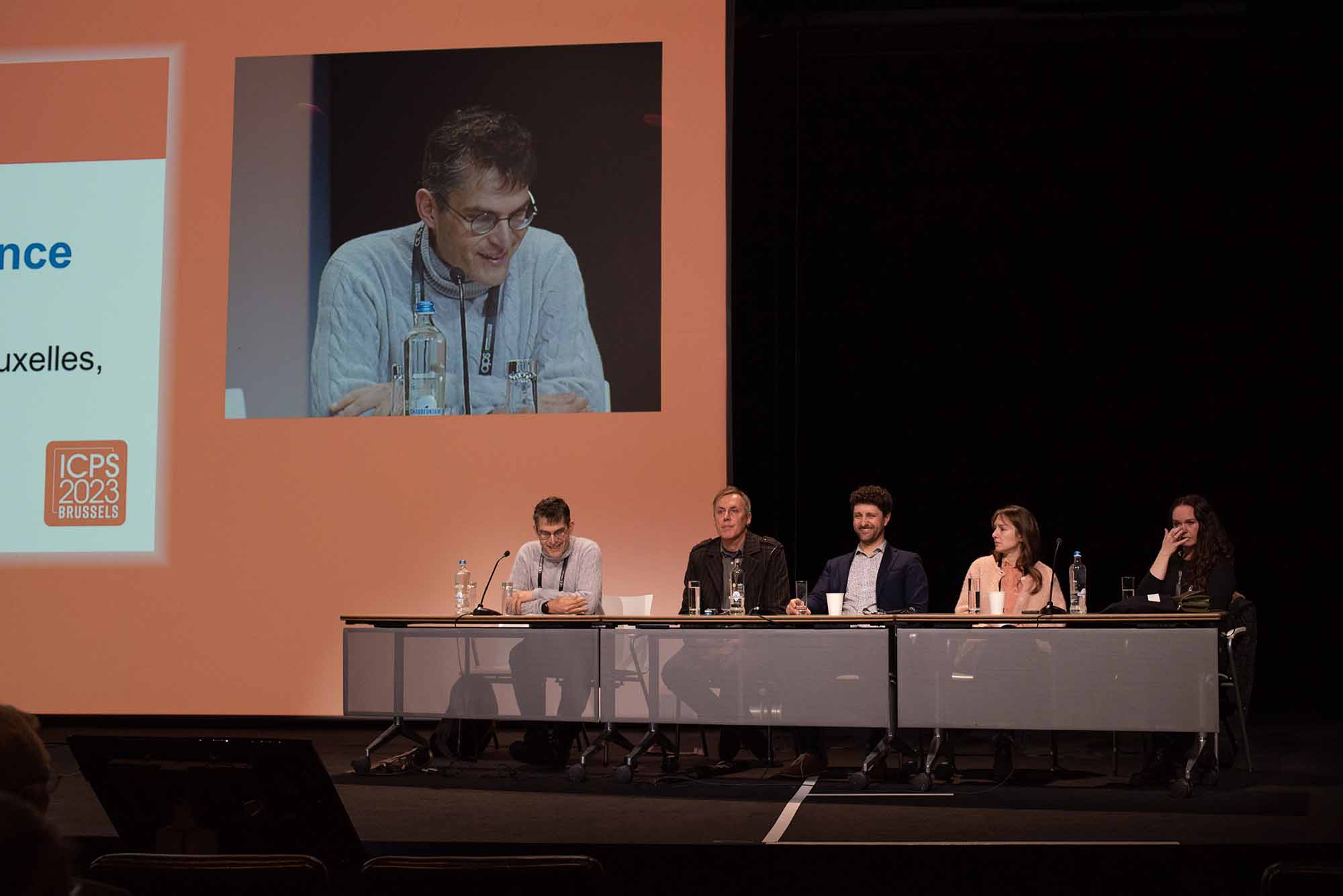
Parents and other guardians lie to their children for a host of reasons, research confirms. Students have an opportunity to explore why parents evade the truth.
Research shows that White people are more likely to perceive a Black person as a truth-teller compared with a White person, although their spontaneous behavior indicates the reverse bias.
Conversations about wartime atrocities often omit certain details. According to research published in Psychological Science, a journal of the Association for Psychological Science, these omissions can lead people to have different memories for the event

Chris Street, a senior lecturer in cognitive psychology at Keele University, UK, researches lie detection and truth biases and is working to develop the first computational model of lie/truth judgments.

People who receive a financial incentive to raise money for a charity they care about are actually less effective in soliciting donations, even when potential donors have no idea that incentives were involved.

We tend to perceive a person’s charitable efforts as less moral if the do-gooder reaps a reward from the effort, according to new research. This phenomenon — which researchers call the “tainted-altruism effect” — suggests

From a cross-cultural spin on the classic “marshmallow experiment” to deceitful 911 homicide calls to what true smiles do, new research in APS journals explores a broad range of topics, including visual memory and success. In this episode of Under the Cortex, APS’s Ludmila Nunes and Andy DeSoto discuss five of our most interesting new research papers.
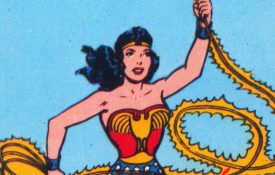
Wonder Woman was first showcased in a 1941 issue of All-Star Comics, but her origins can be traced back to a psychophysiology lab started by William James.
New research finds a consistent, positive relationship between the use of profane language and honesty.
Focusing on customer service can help to boost business performance, but high ethical standards also play an important role in driving these outcomes, researchers find.

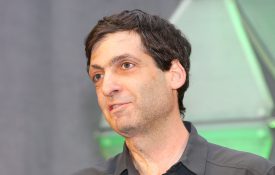
Before Dan Ariely launches into explaining the science behind dishonesty, he tells an amusing story: God goes to Sarah and says, “You’re going to have a child.” Sarah laughs and responds, “How can I have
When it comes to detecting deceit, your automatic associations may be more accurate than conscious thought in pegging truth-tellers and liars, according to findings from a psychological study.
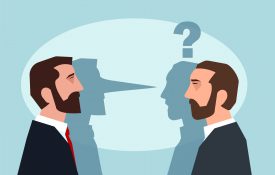
In an analysis of public remarks by corporate fraudsters, psychological researchers identified certain speech patterns the executives fell into while lying.