
-
Video Evidence and Eye Witness Accounts: Why People See Different things
… When someone retrieves a memory, they “aren’t playing a recording back,” explains Elizabeth Loftus, a psychology professor at the University of California, Irvine. Rather “we are constructing” that memory, she says. In other words
-

Making Memory Research Mirror Real Life
Researchers are designing studies that better represent how memory works in daily life, leading to discoveries about how to intervene when it falters.
-
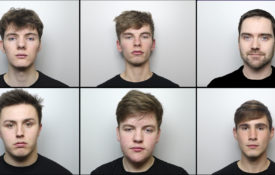
Careers Up Close: Ryan Fitzgerald Eyes Eyewitness Identification
Associate professor and researcher Ryan Fitzgerald discusses his research into eyewitness identification, mentoring students, and lessons he’s learned along the way.
-
Teaching: The Perils of Post-Event Identification
Eyewitness memory is susceptible to distortions that can lead a witness to mistakenly identify an innocent suspect as a perpetrator. Teach students about the challenges inherent in identifying a face from a video image.
-

Eyewitness Error: Malleable Memories, Flawed Legal Processes, and an Opportunity to Train
First PSPI Live explores a 2021 case for testing a witness’s memory of a suspect only once.
-
Test a Witness’s Memory of a Suspect Only Once
One of the first steps to comprehending why a witness’s memory should be tested only once is understanding that memory is malleable, especially following recognition tests, such as lineup procedures.
