
How Kids Learn the Power of Persistence
Aimed at integrating cutting-edge psychological science into the classroom, columns about teaching Current Directions in Psychological Science offer advice and how-to guidance about teaching a particular area of research or topic in psychological science that has been the focus of an article in the APS journal Current Directions in Psychological Science.
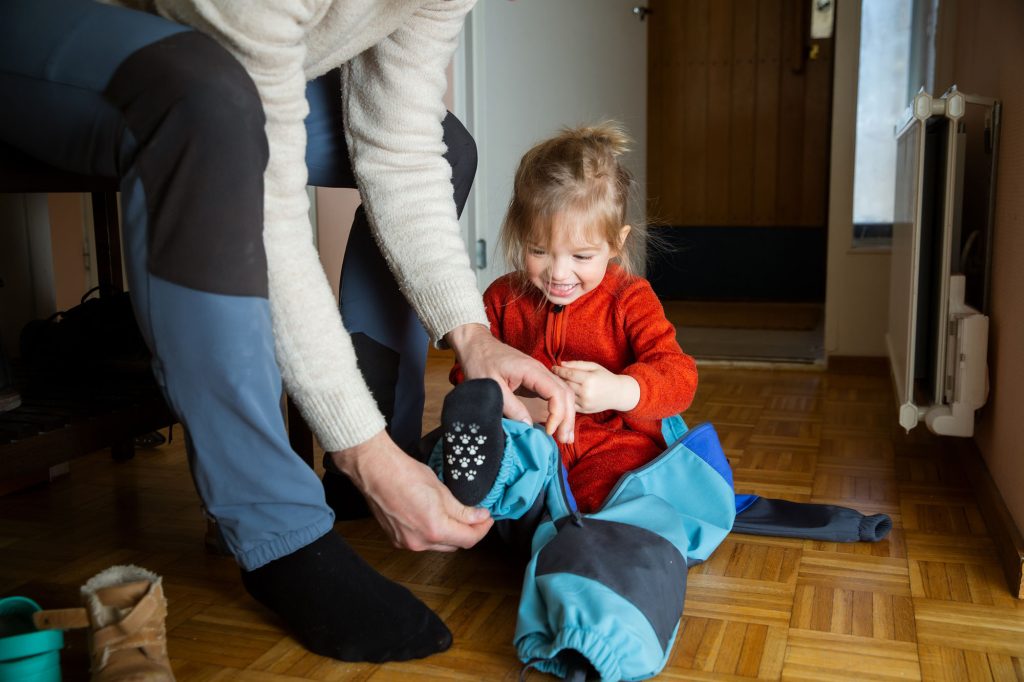
Three-year-old Hana is trying to zip up her puffy, yellow, winter jacket. As her little hands fumble with the metal parts, her dad stands by, somewhat impatiently, ready to go out the door. Hana is learning to be independent, but is it worth the extra time? Should Dad step back and wait, provide a little help, or zip it up himself?
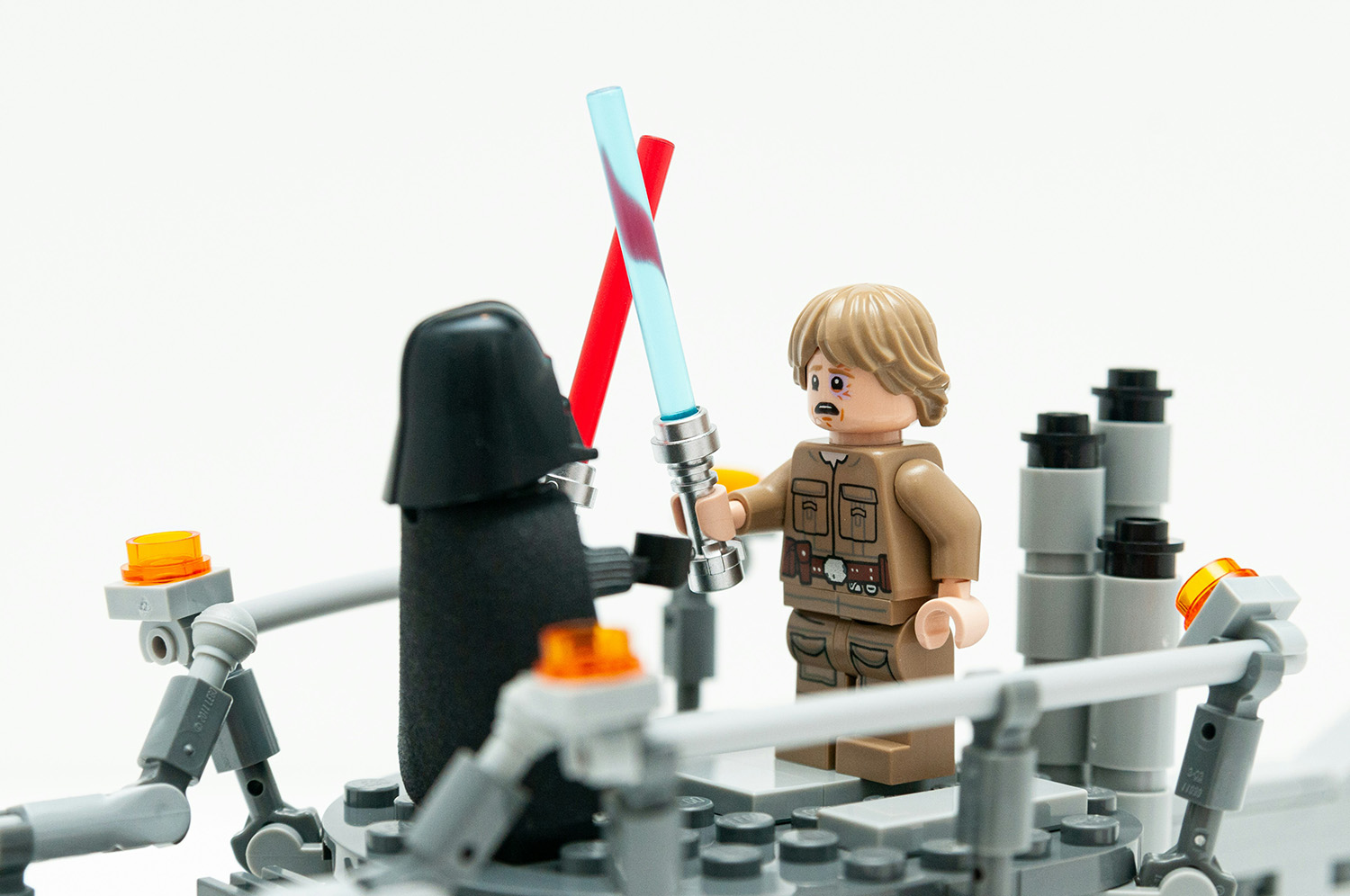
Four-year-old Jordan opens a birthday present—a Star Wars LEGO set from his uncle. He’s so excited to start building it, but as he’s dumping out the pieces, his mom notices that it’s meant for kids ages 8 and up. Will Jordan be able to successfully construct his new LEGO scene? Should Mom step back and watch? Provide hints? Or take over and build it herself?
Julia Leonard and Reut Shachnai write about such situations in their Current Directions in Psychological Science article. Their work provides a chance to teach students cutting-edge research on parenting; it also introduces feedback loops and expectancy-value theory.
Leonard’s team is broadly interested in how children figure out when they should persist in the face of something difficult and how adults’ reactions might shape their decisions. An organizing principle is expectancy-value theory. Hana is more likely to keep pulling her zipper if she thinks trying will eventually work—that’s “expectancy.” For example, if she’s zipped up her jacket before, she might have high expectancy. If she suspects she cannot do it, her expectancy is low.
Hana’s also more likely to keep trying if she thinks the outcome is worth it—that’s the “value.” For example, Hana might value the sense of accomplishment she’ll get from doing this herself. Or Jordan might adore Star Wars, so he’d especially value admiring his completed LEGO scene.
Leonard and Shachnai argue that young children don’t develop their expectancy-value beliefs in a vacuum. Instead, these beliefs are shaped by interactions with adults. For example, if Dad steps in to zip up Hana’s jacket, Hana might get the message, “I’m not able to do this myself.” In this scenario, the dad’s actions influence Hana’s expectancy beliefs. The next time Hana and her dad head out, Hana might stand passively, leading her dad to conclude, “Hana’s not good at zippers yet.” Here, the child’s actions influence the adult’s expectancy beliefs.
By definition, feedback loops work in both directions. If Mom praises Jordan’s first careful steps with his new LEGO set, Jordan might infer that his parent values his effort and thinks he can do it (i.e., the caregiver shapes the child’s value and expectancy beliefs). In response, Jordan might invest more effort in building, leading Mom to adjust her own initial skepticism.
The team has published many studies that have illustrated the impact of adult actions at different stages of the cycle. One study illustrated how early adult actions shape a child’s expectancy beliefs from the outset (Leonard et al., 2021). In this study, an adult gave 4- to 5-year-old children 10 seconds to work on a challenging block puzzle before saying, “Hmm … this is hard, why don’t I just do it for you?” Children in this condition later spent about half as much time trying to get a toy out of a locked puzzle box, compared to control conditions where the adult did not take over. By taking over, the adults might have conveyed “you probably can’t do this,” or “these tasks aren’t important for you,” or “effort is separate from success.” (Show students Figure 3 from this paper as you describe the results.)
Related Member Spotlight: 2025 Spence Awardee Julia Leonard on Celebrating Children’s Progress
Another study demonstrated how adults can model whether effort is valuable and possible. Kids try harder when they’ve seen adults not only work hard on a puzzle, but also succeed. In one study, preschoolers watched an adult try to get a marble out of a puzzle box (Leonard et al., 2020). When the adult successfully solved the puzzle, the preschooler also tried to do it. But kids tried hardest when the adult model succeeded after trying a long time, especially when their the effort was also paired with motivational language: “You know what the best thing to do is when something is tricky? To try your best and not give up. Do you agree?” (Figure 2 from this study can help teach this point.)
In sum, adults can shape children’s beliefs about the value of effort and their own abilities, and children’s actions can in turn shape not only how an adult perceives the child’s capabilities.
Introduce the topic of child persistence by asking if your students have ever seen a child give up when trying a skill or activity (such as writing their name, solving a puzzle, or getting dressed). Then, teach students about Leonard’s studies and work through one of the feedback-loop scenarios (either the zippers or LEGO example) with them.
Next, to illustrate the feedback loops involved, show students the scenarios and ask them to infer what happens after two possible adult reactions (see table).
In a follow-up discussion, ask students to consider the following questions:
- In your own life, what kinds of reactions do caregivers have when their preschoolers are struggling with a task? According to Leonard’s research, which of these are effective ways to motivate children’s persistence?
- Do you think these same dynamics would apply in other cultural contexts? Can these dynamics explain cultural differences, for example, in math achievement?
Feedback on this article? Email [email protected] or login to comment.
Additional References
Leonard, J. A., Martinez, D. N., Dashineau, S. C., Park, A. T., & Mackey, A. P. (2021). Children persist less when adults take over. Child Development, 92(4), 1325–1336.
Leonard, J.A., Garcia, A., & Schulz, L.E. (2020). How adults’ actions, outcomes, and testimony affect preschoolers’ persistence. Child Development, 91(4), 1254–1271.



APS regularly opens certain online articles for discussion on our website. Effective February 2021, you must be a logged-in APS member to post comments. By posting a comment, you agree to our Community Guidelines and the display of your profile information, including your name and affiliation. Any opinions, findings, conclusions, or recommendations present in article comments are those of the writers and do not necessarily reflect the views of APS or the article’s author. For more information, please see our Community Guidelines.
Please login with your APS account to comment.