
APS Honors 12 Psychological Scientists With 2026 Lifetime Achievement Awards
James McKeen Cattell Fellow Award • James S. Jackson Lifetime Achievement Award for Transformative Scholarship • William James Fellow Award • Mentor Award
Scientists who have shaped our understanding of clinical cognitive neuroscience, mental health, and racial biases are among the 12 recipients of the 2026 APS lifetime achievement awards.
Since APS honored the first group of William James Fellows in 1989, the program has grown to encompass four separate lifetime awards, each honoring multiple distinguished scientists for their contributions to the field. The awards will be presented in May at the 2026 APS Annual Convention in Barcelona, Spain.
The 2026 APS Janet Taylor Spence Award for Transformative Early Career Contributions will also be presented at that time.
APS James McKeen Cattell Fellow Award
The APS James McKeen Cattell Fellow Award recognizes APS members for a lifetime of outstanding contributions to the area of applied psychological research. The committee has selected the following individuals for the 2026 award.
Toni C. Antonucci
University of Michigan
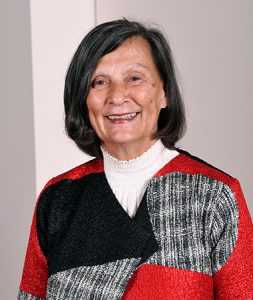
Toni C. Antonucci is an internationally eminent scholar in lifespan development and an interdisciplinary scientist working at the nexus of developmental psychology and survey research. At the University of Michigan, Antonucci is the Elizabeth M. Douvan Collegiate Professor of Psychology and Director of the Life Course Development program in the Institute for Social Research. Her research has examined change in adults as they transition across major life events such as marriage, retirement, and widowhood. She was among the first to provide empirical evidence that people not only feel better when they are embedded in strong social networks, but experience better physical health and live longer than people with fewer social ties.
Antonucci (with Robert Kahn) devised the Convoy Model of Social Relations, an integrative conceptualization that constituted the first truly unifying view of how close relationships develop over the lifespan. Her model has been used widely in major surveys in Europe, Asia, and North America. Her research shows that people build social convoys that accompany them throughout life, usually culminating in old age in relatively small circles comprised of familiar social partners with strong social connections. Antonucci has played a foundational role in uncovering the crucial importance of social relations for physical health, cognition, and well-being.
William G. Iacono
University of Minnesota
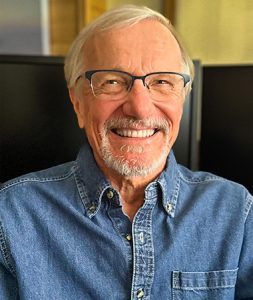
William G. Iacono is a pioneer in the neurobehavioral study of mental disorders. His work shows enormous breadth, encompassing psychology, psychiatry, neuroscience, law, psychophysiology, genetics, and developmental psychopathology. Iacono, Regents Professor Emeritus of Psychology, Psychiatry, Neuroscience, and Law at the University of Minnesota, is best known for his landmark longitudinal investigations of mental disorders in large population-representative samples of twins and their families. He is particularly renowned for his groundbreaking work on endophenotypes in psychopathology, a concept he developed in the context of schizophrenia and extended to substance use disorders. His work showed that many attributes thought to be consequences of psychiatric disorder are genetically influenced risk factors that predate disorder onset, revealing entry points in developmental processes that provide opportunities for interventions aimed at preventing or ameliorating subsequent disease. With his empirical studies and a major meta-analysis on eye tracking as an endophenotype, a term used to describe heritable traits associated with a condition, for schizophrenia, he opened numerous avenues of investigation.
Iacono is also the world’s leading scientific expert on the physiological detection of deception (lie detection). His research, which includes the only empirical work conducted by non-industry investigators to have directly evaluated the validity of polygraph tests in real-life cases, demonstrated that field polygraph tests are biased against innocent individuals. Iacono stands out as a scientist who combines a substantive scientific record with an admirable service record.
APS James S. Jackson Lifetime Achievement Award for Transformative Scholarship
The APS James S. Jackson Lifetime Achievement Award for Transformative Scholarship honors APS members for their lifetime of outstanding psychological research that advances understanding of historically disadvantaged racial and ethnic groups and/or the understanding of the psychological and societal benefits of racial/ethnic diversity, equity, and inclusion.
Launched in 2022, this award pays tribute to the late James S. Jackson, a pioneering social psychologist known for his research on race and ethnicity, racism, and health and aging among Black Americans.
Jennifer L. Eberhardt
Stanford University
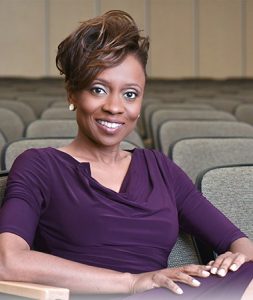
Jennifer L. Eberhardt is the William R. Kimball Professor of Organizational Behavior as well as a Professor of Psychology at Stanford University. She is one of the foremost scholars on racial biases in perception, cognition, and behavior within the United States. Her innovative research, particularly on white Americans’ perception of white and Black faces, has provided invaluable insights into the mechanisms behind racial perceptions and sheds light on why certain biases persist. In her work on looking “deathworthy,” she has found that Black defendants with stereotypically Black facial features are more than twice as likely to be sentenced to death than those perceived as less stereotypical.
Her brain imaging studies show that the fusiform face area (an area of the brain implicated in face processing) is less responsive when white Americans view Black faces as opposed to white faces. In laboratory experiments, she’s shown that people associate Black faces with crime in milliseconds. In field studies, she’s used large language models to analyze police body-camera footage, demonstrating how officers speak less respectfully to Black drivers and predicting which stops escalate. She has also put her findings into action, working for decades with police departments, community members, and city leaders to improve police interactions with the public. Eberhardt’s work is characterized by the originality of her perspectives and by the thoughtfulness of her approach. Her scholarship has deepened our understanding of human perception, bias, and prejudice in important ways.
Diane L. Hughes
New York University
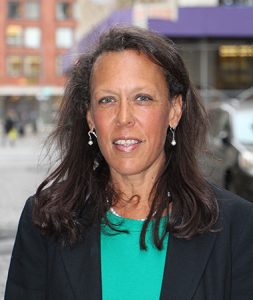
Over the last quarter century, Diane L. Hughes has become the pre-eminent scholar in one of the most influential constructs in developmental psychology: racial socialization. A professor of applied psychology at New York University, Hughes developed the most widely used and widely cited framework for studying how parents convey messages about race, ethnicity, and racism to their children. The framework not only conceptualized processes that are endogenous to ethnic/racial minority families in response to racist structures and settings, it acknowledged that families exposed to racism are not defined by these experiences but rather develop ways to cope and reject such characterizations and teach their children to do the same.
Moreover, the framework shows that not all families engage in a uniform racial socialization, nor should they. Her concept of “prep for bias” explored whether children could be protected from the negative effects of racial discrimination if their parents prepared them for it. She found that “prep for bias” indeed helps children of color cope with insidious and overt structural racism. Hughes’s outstanding work on racial socialization has been the foundation of numerous research programs, including basic and intervention studies, across multiple generations of scholars.
APS William James Fellow Award
The APS William James Fellow Award honors APS members for their lifetime of significant intellectual contributions to the basic science of psychology.
Deanna M. Barch
Washington University in St. Louis
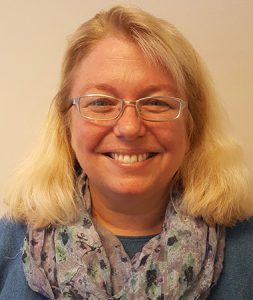
Deanna M. Barch’s meteoric career trajectory has led her to become one of the world’s top researchers in clinical cognitive neuroscience. Barch holds several titles at Washington University in St. Louis, including Vice Dean of Research, Professor of Psychological & Brain Sciences and of Radiology, and Gregory B. Couch Professor of Psychiatry. Her research involves multiple levels of analysis and methods, and her widely cited research on cognitive control in schizophrenia has illuminated the specific types of cognitive control deficits that characterize what is one of the most poorly understood psychological disorders. Her work shows that that people with schizophrenia have trouble maintaining contextual information, contributing to their difficulties with attention, working memory, episodic memory, and language production.
This body of work has changed the way researchers approach the study of cognition in schizophrenia. Barch’s involvement in treatment research aims to spur the development of novel agents to target cognitive deficits in schizophrenia. She also is involved in research to identify neural predictors of depression in very young children and is helping spur the development of treatments that can be implemented in preschools. The remarkable scope of her work has dramatically advanced the fields of cognitive psychology, neuroscience, and clinical psychology.
Dacher Keltner
University of California, Berkeley
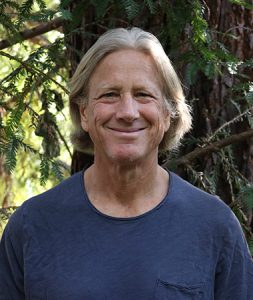
The breadth, depth, and impact of Dacher Keltner’s work is nothing short of remarkable. A Distinguished Professor at the University of California, Berkeley, his research on complex human emotions is impressively broad. His body of work includes groundbreaking research on self-conscious and positive emotions and their interrelations with a host of psychological, sociocognitive, physiological, and moral consequences. He has shown how specific emotions shape causal reasoning, perceptions of risk, and moral judgments concerning punishment, harm, purity, and fairness.
With new computational approaches, novel measures, and data from over 26 cultures, he has mapped the forms and functions of emotions such as compassion, awe, love, and embarrassment. His exploration of social class and inequality has documented how social power shapes basic cognitive processes, from empathy to prejudice, and leads to impulsive and inconsiderate behavior. And his creative work on awe has drawn widespread interest in the field. He and his students have documented how awe shifts the sense of self to be more collective and embedded within social networks of strong ties, gives rise to patterns of sharing and cooperation. Keltner’s prolific work has profoundly changed the way social psychologists think about power, social class, and human emotions.
Brenda N. Major
University of California, Santa Barbara
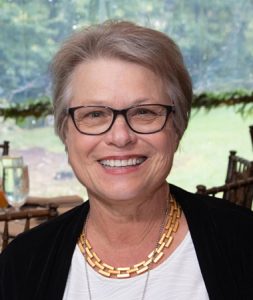
Brenda N. Major is an eminent social psychologist whose scholarship created a new paradigm of studying “prejudice from the targets’ perspective,” redefining the way we think about social stigma. Major is Distinguished Professor Emeritus of Psychological and Brain Sciences at the University of California, Santa Barbara. Over the past 5 decades, she has made ground-breaking discoveries into how and when members of devalued groups in society remain psychologically resilient in the face of discrimination and adversity, while also experiencing physiological strain with implication for health and well-being.
Her research also helped shape a new theoretical perspective for the burgeoning interdisciplinary topic of health disparities. Her work identified how stigma affects psychological and physical health and contributes to health disparities. Applying elegant theory and rigorous research to important social issues, she has contributed important empirical discoveries on a wide range of topics. She has shown how diversity initiatives can ironically make it more difficult to recognize biases, how beliefs in the American Dream can block social justice motives, and how cognitive reactions following abortion contributed to mental health. Major’s contributions to psychological science are creative, numerous, and deep in intellectual merit, with significant implications for society’s most important social problems.
APS Mentor Award
The APS Mentor Award honors the importance of mentoring in the field of psychological science as well as the dedication and impact of individuals with a distinguished record of teaching, advising, and encouraging students and colleagues.
John F. Dovidio • Kathy Hirsh-Pasek • Marci Lobel • Paul A.M. van Lange • John R. Weisz
John F. Dovidio
Yale University
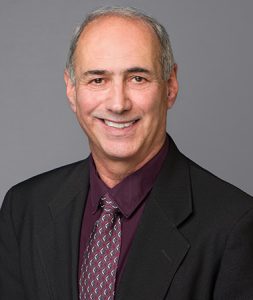
John F. Dovidio is the Carl I. Hovland Professor Emeritus of Psychology and Professor Emeritus in the Institute for Social and Policy Studies and of Epidemiology at Yale University. He is best known for his research on aversive racism, a subtle form of prejudice, and on reducing intergroup biases. Dovidio epitomizes the commitment to mentees’ success. He focuses unwaveringly on helping mentees forge their own unique paths. He encourages students to share nascent ideas, even those still in their embryonic stages, and always finds something in them that is valuable, unique, and worth pursuing.
Throughout his illustrious career, he has worked to empower scholars from traditionally disadvantaged backgrounds and enhance the career and social mobility of academics from diverse regions. His unwavering support extends to scholars from ethnic, racial, and gender minoritized backgrounds, those with disabilities, refugees, and individuals hailing from various parts of the globe. He has inspired his former students’ staunch commitment to making their own departments and the field more inclusive. Dovidio’s mentees laud his ability to stimulate innovation and foster a culture of intellectual curiosity and audacious exploration.
Kathy Hirsh-Pasek
Temple University
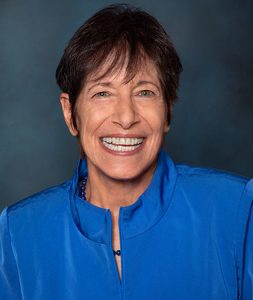
An internationally recognized expert on early learning and child development, Kathy Hirsh-Pasek is the Stanley and Debra Lefkowitz Professor of Psychology at Temple University and Senior Fellow at the Brookings Institution. Her broad research program regarding education naturally complements and enhances her mentoring efforts, helping her trainees become master educators and researchers. Her students appreciate her for teaching them to think big and to ask the questions that will lead them to a breakthrough in their research.
Mentees point to her remarkable strength in teaching the importance of speaking clearly about their research to a wide range of audiences, including the public. Hirsh-Pasek mentors through example and is not above doing the menial or labor-intensive tasks needed when conducting research, one mentee said. In her lab, she builds an inclusive, diverse community where students work on multiple projects together to produce research papers published in top journals. By creating inclusive and empowering spaces for young researchers and putting them in a position to lead, Hirsh-Pasek is preparing a generation of scholars who have been trained in a context of generosity and excellence.
Marci Lobel
Stony Brook University
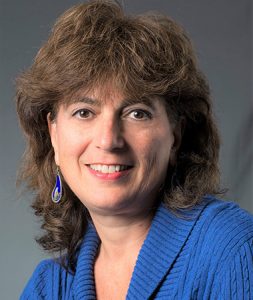
Marci Lobel is a Distinguished Professor of Social and Health Psychology at Stony Brook University. Her research focuses on psychosocial aspects of reproductive health, such as the impact of prenatal maternal stress on low birth weight and preterm birth. Lobel’s exceptional mentorship style prioritizes community, motivation, and recognition. She values her mentees’ unique perspectives, encouraging self-sufficiency, personal initiative, and collaboration. She fosters confidence through her hands-off yet attentive approach, offering guidance without micromanaging.
Highly attuned to multicultural issues, Lobel supports students from diverse backgrounds—including those balancing full-time work, family responsibilities, and academics. She welcomes students of various ages, physical abilities, and racial, ethnic, and socioeconomic backgrounds into her lab. She provides opportunities for her graduate students to mentor and supervise undergraduate students from diverse backgrounds, fostering a collaborative learning environment. In the classroom, Lobel challenges students to excel by promoting critical thinking, creativity, and problem solving through presentations, peer reviews, case studies, and discussions. Mentees commend Lobel for her genuine care, helping them not only succeed academically but also grow personally and professionally.
Paul A.M. van Lange
Vrije Universiteit Amsterdam
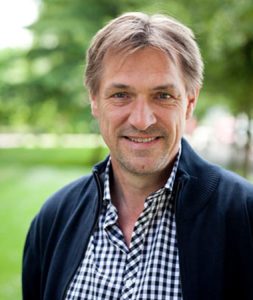
Paul A.M. van Lange is an inspiring example of doing research that matters and generously imparting his knowledge to students. A professor of psychology at the Vrije Universiteit Amsterdam, his research focuses on human cooperation and trust. Van Lange views students and mentees as key to scientific discussion and big ideas. He generously helps his students discover their own research interests and develop ideal methods to study them. He also makes sure their research is both groundbreaking and attainable.
Many of his former doctoral students are still working with him. For example, he authored a book with his former student, Jeff Joireman, now professor at Washington State University, titled How to Publish High-Quality Research, in which they share practical advice on preparing a manuscript, navigating the peer review process, and more. The time he invested in the book reflects his commitment to mentoring. One mentee described him as “the advisor who makes that special effort, the researcher who inspires many others” and the mentor “whose door is always open for feedback and support.”
John R. Weisz
Harvard University
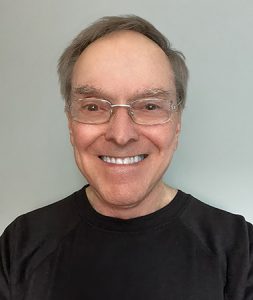
John R. Weisz, the Henry Ford II Research Professor of the Social Sciences in the Department of Psychology at Harvard University, is internationally renowned for his pioneering achievements in youth mental health treatment research. Equally impactful is his extraordinary record as a mentor, characterized by a deeply personalized, mission-driven approach. The seamless integration of his science with his dedication to uplifting others—whom he calls his “lab family”—has created an entire generation of leaders in youth mental health. His approach has been to help each mentee identify a personally meaningful mission and make it the foundation for a fulfilling career. The result, to date: 39 of his mentees have progressed to university faculty positions, with others taking up leadership roles in clinical care and industry.
A hallmark is Weisz’s intentional use of his broad professional network—spanning scientists, community leaders, policy makers, and funding agencies—to create tailored opportunities that align with each mentee’s unique goals. Weisz’s mentorship extends far beyond graduate school and postdoctoral years. His mentees continue to collaborate with him for years, some throughout their careers, drawn by his enduring support and collegiality. The result is a vibrant and far-reaching network of former students, postdocs, and informal mentees, whose own achievements reflect the sustained impact of his guidance.
Related coverage of the APS Awards Program
-

2025 APS Awards Ceremony: A Celebration of Excellence
The 2025 APS Awards Ceremony recognizes recipients of the James McKeen Cattell Fellow Award, James S. Jackson Lifetime Achievement Award for Transformative Scholarship, William James Fellow Award, Mentor Award, and Janet Taylor Spence Award for Transformative Early Career Contributions.
-

Seven Psychological Scientists Honored With 2025 APS Janet Taylor Spence Award
The seven recipients are honored for cutting-edge research on topics ranging from the neurocognitive mechanisms of information processing to the connections between psychopathology and addiction.
-

Language and Memory Are in Focus for Latest Cattell Sabbatical Awards
Gary Lupyan, Tracy Riggins, and Elizabeth Schotter are the latest recipients of the Sabbatical Fund Fellowship from the James McKeen Cattell Fund.
Feedback on this article? Email [email protected] or login to comment.



APS regularly opens certain online articles for discussion on our website. Effective February 2021, you must be a logged-in APS member to post comments. By posting a comment, you agree to our Community Guidelines and the display of your profile information, including your name and affiliation. Any opinions, findings, conclusions, or recommendations present in article comments are those of the writers and do not necessarily reflect the views of APS or the article’s author. For more information, please see our Community Guidelines.
Please login with your APS account to comment.