Cover Story
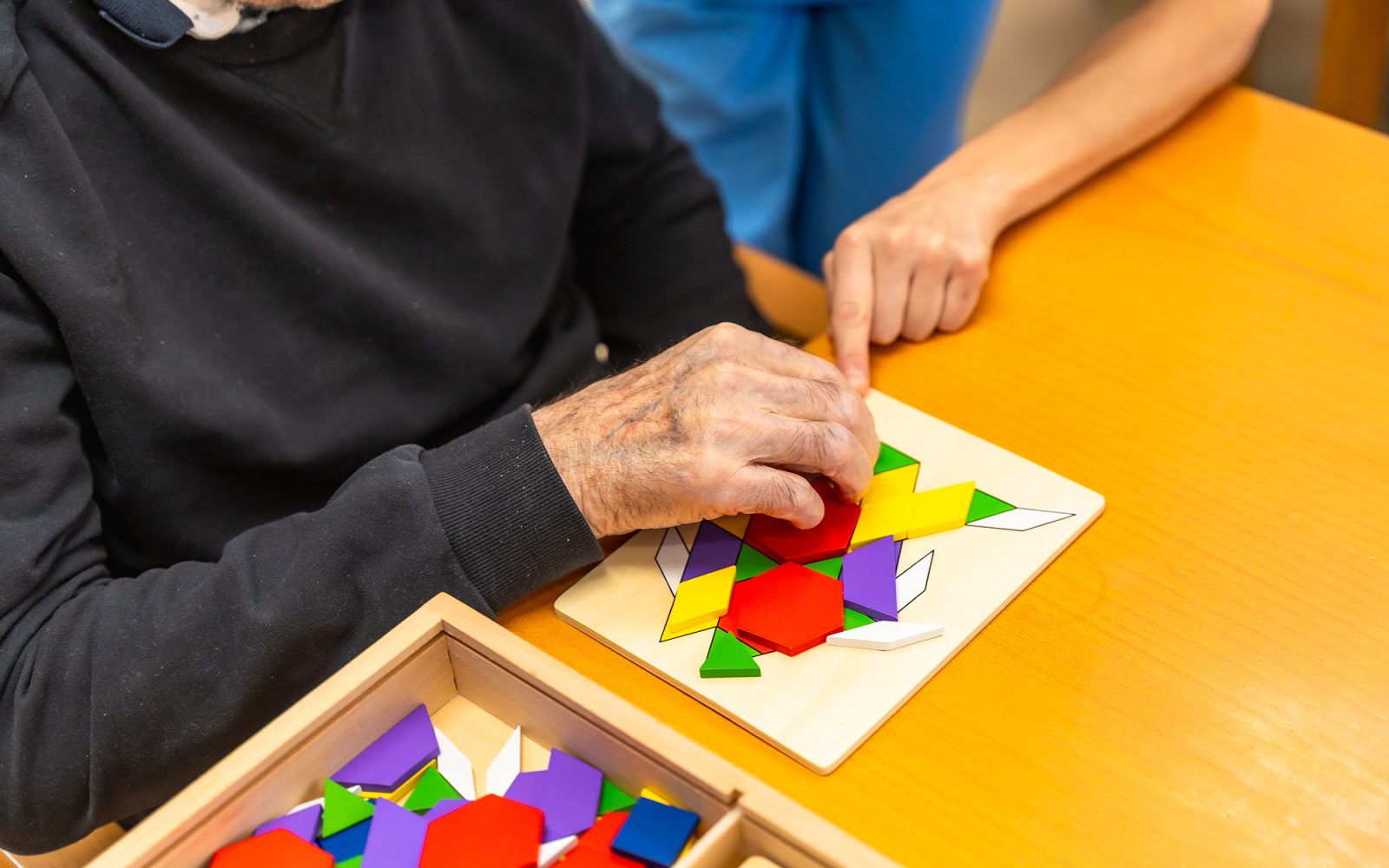
The Compassionate Mind
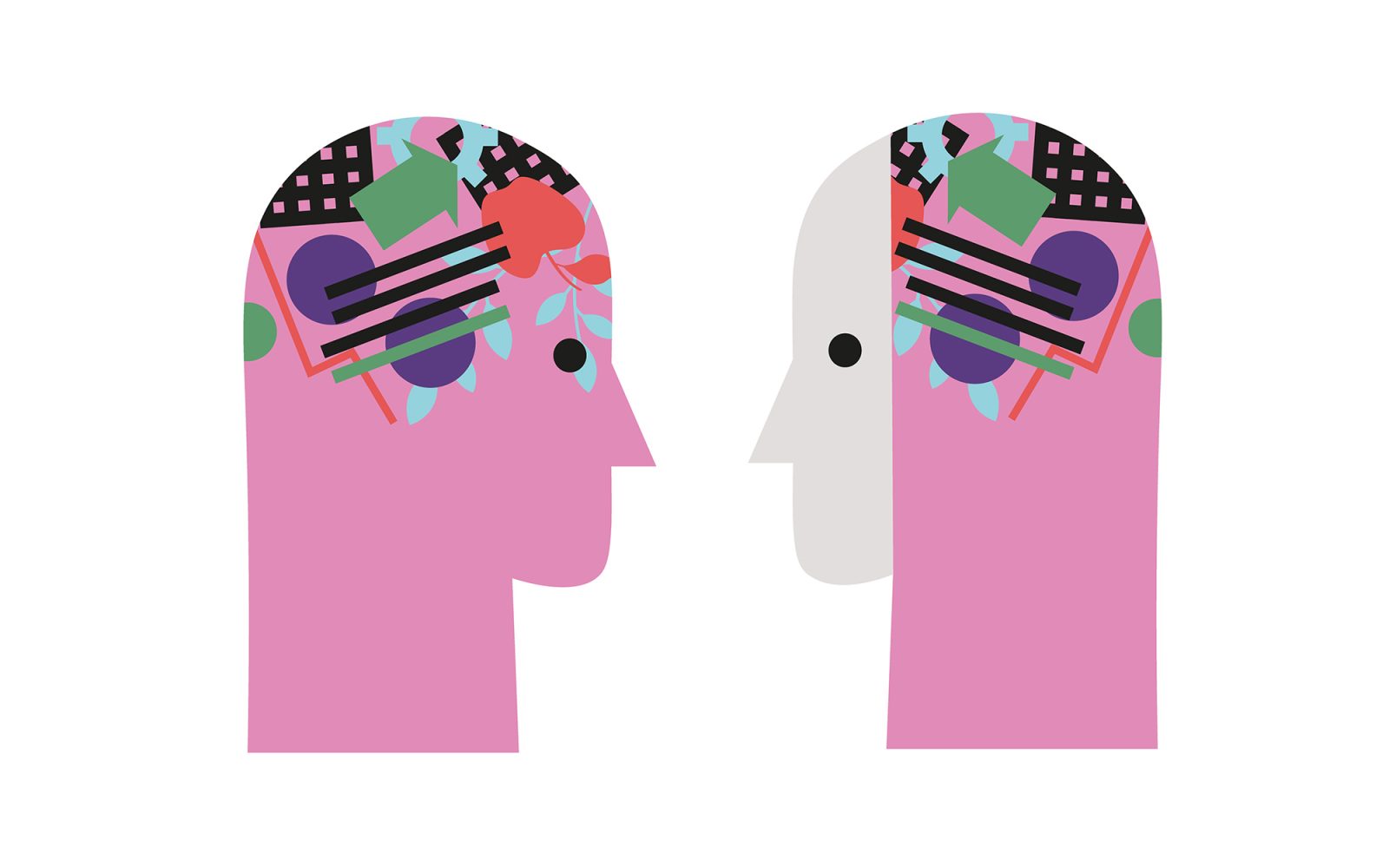
Humans seem to have an innate drive to help relieve the suffering of others. But scientific studies show that our compassionate feelings may help improve our own physical and psychological health.
Presidential Column
The Changing Landscape for Research and Education in Psychological Science
It doesn’t seem possible but this is the last column of my term as APS President. Throughout the past year you have heard from many of our APS colleagues who… More>
The Either/Or of Psychological Science: A Reflection
There are many things to be happy or concerned about in our field; these include the science of psychological science, its application, and its development internationally. More>
Celebrating 25 Years of APS
The next few issues of APS’s journal Perspectives on Psychological Science will include special sections highlighting some of the major changes in the field between 1988 and the present. More>
Awfully Funny
Finding the humor in tragedy may seem insensitive, but researchers have found that it is an effective coping mechanism when we are confronted with life’s disasters. More>
Financial Decision Making and the Aging Brain
Many of the most influential financial decision makers in our society from business to politics happen to be middle-aged. The average age of Fortune 500 chief executive officers and chief… More>
Reflecting on a Lifetime of Achievement
As part of APS’s 25th Anniversary celebration, the Board of Directors is honoring 25 distinguished scientists who have had a profound impact on the field of psychological science over the… More>
Coming Friday at Convention
Presidential Symposium, the world premiere of Inside the Psychologist's Studio, and more! Find out about some of the interesting and exciting sessions taking place this Friday at the APS 25th… More>
Does Our Innate Ability to Estimate Numbers Benefit From Education?
Researchers investigate whether improvements in approximate number system ability come naturally with age or whether they are the result of formal education.
More>Science Galore in the APS Exhibit Hall
At the APS Convention, 19 poster sessions in the APS Exhibit Hall will showcase attendees’ research.
More>Fear, Happiness, and Sadness Share Common Neural Building Blocks
Diverse emotions like sadness, happiness, fear, and anger are all based on common building blocks of valence (i.e., pleasure/displeasure) and arousal, according to new research published in Psychological Science.
More>What’s Location Got to Do With It?
Psychological scientists Snehlata Jaswal and Robert H. Logie conducted a series of experiments to study the importance of configural encoding in feature binding.
More>APS Journal Seeks Labs to Participate in First Registered Replication Report Project
Two months after APS launched an initiative to promote and publish replication studies, the first protocol has been finalized. Editors are accepting proposals from researchers who would like to contribute… More>
Intergroup Biases Emerge Early and Remain Stable With Age
Just like adults, children from across different cultures show implicit intergroup biases, which may be the result of their experiences with regional status hierarchies.
More>