


-
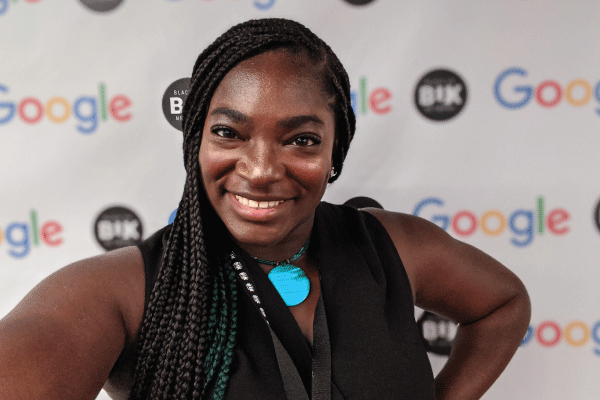
Back Page: Dr. Roboto
Melissa Smith brings a lifetime of fascination with robotics and human-computer interaction to her work as a senior user experience (UX) researcher at Stadia, Google’s gaming platform.
-
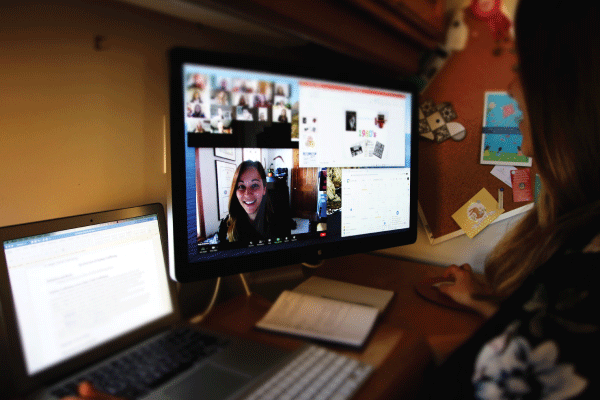
Careers Up Close: Sonja Brubacher on Best Practices for Investigative Interviewing
This Griffith University researcher works with law enforcement and child protection officials around the world to improve forensic interviews by bringing practitioners’ observations back
to the lab. -
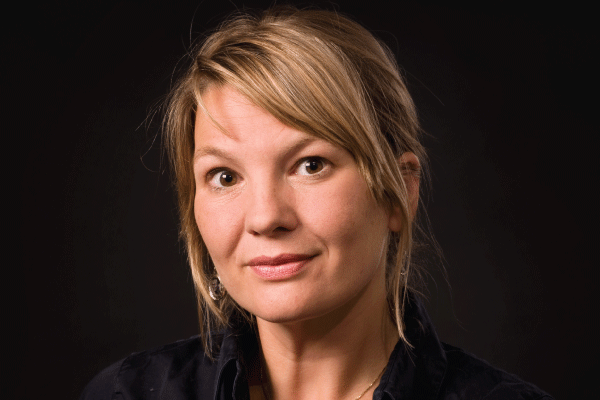
Frontiers of Psychological Science: An Interview with Eveline Crone
An eminent psychological scientist and APS Fellow is now heading up behavioral science at one of the European Union’s largest science funders.
-
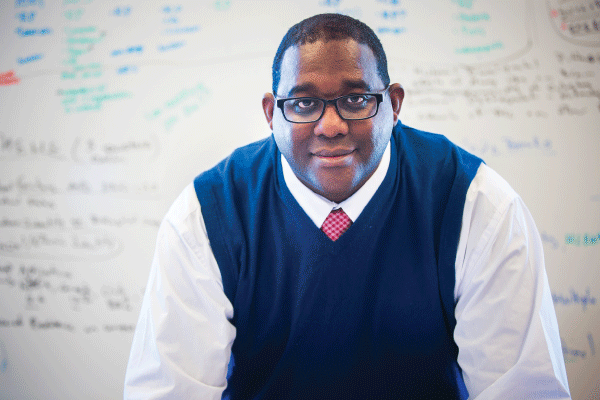
Connecting the Dots Between Biology and Addiction
With $2.3 million from the National Institutes of Health, Emory University psychological scientist Rohan Palmer is searching for the genetic influences that leave some individuals particularly vulnerable to addiction.
-
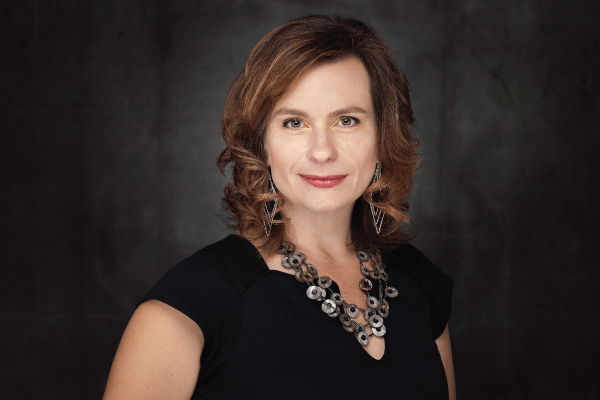
Back Page: Nap Tracker
A pioneer in studying learning and memory during atypical development, University of Arizona professor Jamie Edgin is uncovering the effects of poor sleep on learning in children with Down syndrome.
-
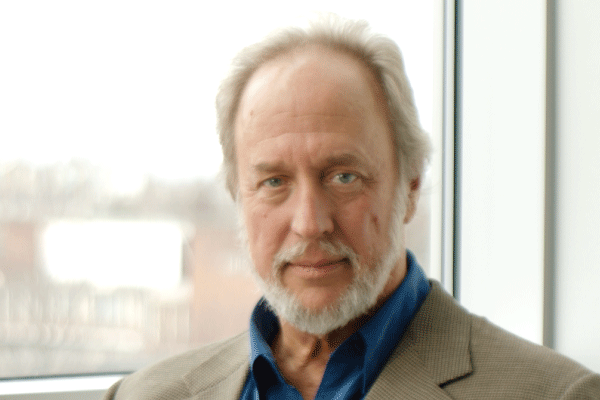
Robert Plomin Receives Grawemeyer Award for Behavioral Genetics Research
APS Fellow Robert Plomin has received the 2020 University of Louisville Grawemeyer Award for Psychology for his research on how DNA shapes personality.
-
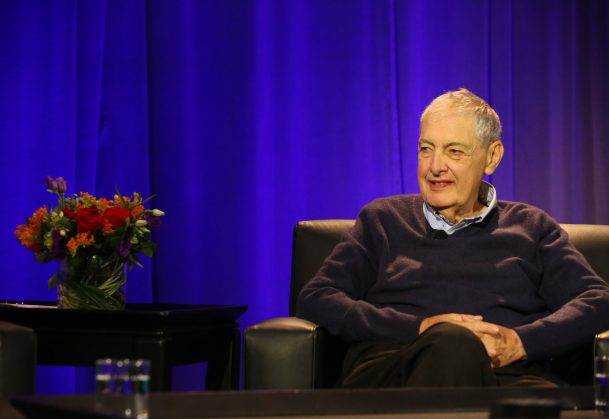
Inside the Psychologist’s Studio with Lee Ross
The social psychologist renowned for his research on human judgment and on conflict resolution discusses the impact of his work.
-
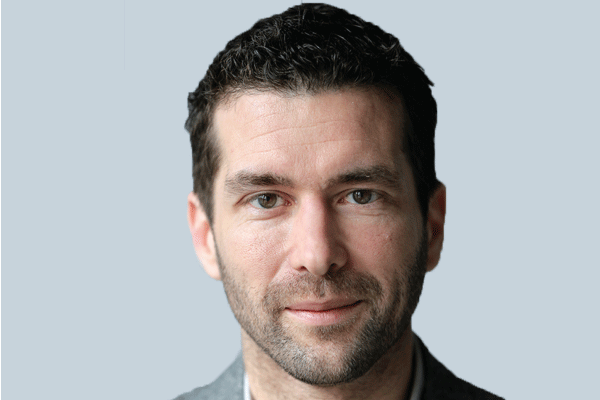
Back Page: Never Fear?
It may sound like he’s inducing amnesia, but psychology professor Tom Beckers is actually testing the possibility of targeting and muffling psychologically crippling memories.
-

Careers Up Close: Woo-Young Ahn on Delineating Disorders
This Seoul National University professor uses computational modeling to identify the behavioral markers of addiction.
The Faces and Minds of Psychological Science

Understanding the Biological Basis of Behavior
John T. CacioppoThe University of Chicago
John T. Cacioppo's research looks at the connections between the social and neural mechanisms underlying human behavior. He investigates how societal influences and personal relationships affect cognition and emotions. As a social species, humans have created a network of connections- ranging from families to international alliances- that serve both social and biological needs. Cacioppo's research is focused on understanding the neural, hormonal and genetic mechanisms that motivate humans to interact and their effects on the mind, behavior, and health – an approach known as social neuroscience. Cacioppo's current research focuses on the adverse effects of social isolation and loneliness on our well-being.
Mirror Neurons
Giacomo RizzolattiUniversità degli Studi di Parma, Italy
Giacomo Rizzolatti has a longstanding interest in how the cognitive functions of the brain are connected to movement. When he and his colleagues were studying neurons that control hand and mouth actions in monkeys, they noticed that the neurons would not only activate when the animal picked up a piece of food, but the neurons would also switch on when the monkey saw a person pick up a piece of food. Many researchers believe that these neurons could be important for imitation, language acquisition, and various forms of perception. The development of mirror neurons in humans is what allows us to learn through observation and communication and may play a role in how we understand the actions of others. Rizzolatti’s research on mirror neurons has inspired the development of “mirror treatments” to help stroke victims recover motor function as well as countless other publications that span various disciplines in psychology, neuroscience, and health. Among his many awards are the Golgi Prize for Physiology, George Miller Award of the Cognitive Neuroscience Society, the Feltrinelli Prize for Medicine of Accademia dei Lincei, the Herlitzka Prize for Physiology, the Prince of Asturias Award for Technical and Scientific Research, and the Grawemeyer Award in Psychology.

How Relationships Shape Emotions
James CoanUniversity of Virginia
Humans are very emotional creatures. James Coan studies how our emotions are shaped by our social relationships. In particular, he is interested in how we use various emotional behaviors–such as facial expressions and verbal communication–to adjust our emotions, as well as the emotions of others. Coan is testing the theory that when we are alone, tasks we have to perform may seem more difficult and appear to take up more of our resources than when we are in the company of others. This “social baseline theory” suggests that human social interactions have evolved as a way to help us conserve energy. Coan's innovative work (integrating many disciplines and using multiple methodologies) will shape how research will be done for many years to come. In 2010, Coan was among the inaugural recipients of the APS Janet Taylor Spence Award for Transformative Early Career Contributions. Q&A with James Coan

Culture and Health
James S. JacksonUniversity of Michigan, Ann Arbor
Where we come from and the cultural environment we were raised in has a big impact on many aspects of our lives. James Jackson's research focuses on how culture influences our health (both mental and physical) during our lives, attitude changes, and social support. Jackson has contributed enormously to our understanding of race relations and racism, not just in the United States, but around the world. For example, his research has highlighted how racial discrimination can affect physical and mental health and treatment. He has conducted very comprehensive social, political behavior, and mental and physical health surveys on African American and Black Caribbean populations. Among the goals of these surveys was the documentation of the physical, mental, emotional, and economic conditions of African Americans at the start of this century. Jackson is a member of the Institute of Medicine of the US National Academies of Science and Engineering, a Fellow of the American Academy of Arts and Sciences, and a founding member of the Aging Society Research Network of the MacArthur Foundation. He is a recipient of the Association for Psychological Science (APS) James McKeen Cattell Fellow Award for his lifetime of significant intellectual achievements in applied psychological research. Watch Jackson’s Keynote Address at the 24th APS Annual Convention.

Stress at the Molecular Level
Iris-Tatjana KolassaUniversity of Ulm, Germany
Traumatic stress not only affects our brains, but can also strike us at the cellular level. Iris-Tatjana Kolassa explores the biological, particularly the molecular, changes that occur after situations of extreme stress. She is also studying whether therapeutic interventions can reverse such alterations. Kolassa’s work has been of increasing influence on an international scale as it signals a paradigmatic breakthrough, creating the scientific sub-discipline of “molecular psychology,” which employs molecular biology for the advancement of psychological science. It uniquely demonstrates how molecular methods may be incorporated into the system sciences of clinical psychology and behavioral neuroscience. Additionally, she investigates genetic risk factors that contribute to the development of a fear network in which memories of traumatic events are stored. As part of her work, she collaborates intensively with partners from molecular biology, molecular toxicology, immunology, genetics, and molecular medicine. She is the recipient of an APS Janet Taylor Spence Award for Transformative Early Career Contributions. Q&A with Iris-Tatjana Kolassa

Children As Eyewitnesses
Gail S. GoodmanUniversity of California, Davis
Would you believe a child witness? When Gail Goodman first posed this question in 1981, she found that most judges and juries didn’t have an answer, so she conducted much of the early research in the now robust fields of child memory and children as eyewitnesses. She showed that many children are quite capable of accurately recounting witnessed events, but that their accuracy is strongly affected by factors like the type of questions asked and the amount of intimidation or comfort the child experiences while being interviewed. She has also studied the emotional effects of testifying on a child, and has found that many children who have testified in a legal setting showed improvements in emotional well-being over time comparable to that for child victims who did not testify. For other children, special protections in court are likely needed. Goodman is a recipient of the APS James McKeen Cattell Fellow Award for her lifetime of significant intellectual achievements in applied psychological research and impact on a critical problem in society at large. Watch Goodman’s Award Address at the 24th APS Annual Convention.

Analyzing Data
Patrick OnghenaKatholieke Universiteit Leuven, Belgium
In scientific experiments as in architecture, it’s all about design. Patrick Onghena studies methodology and statistics in order to help other investigators properly set up their studies and analyze their results. He is especially interested in optimizing single-case experimental design so that researchers can glean as much reliable information as possible from small data sets. His recommendations have influenced the field of methodology and have been used in several studies on pain, depression, chronic fatigue, language pathology, learning disorders, relational aggression, and education. Onghena’s other area of expertise is meta-analysis, an increasingly vital tool for examining large volumes of data from many different studies that all address similar hypotheses. He has applied his meta-analytical skills to replicated single-case experiments and to a range of questions, like the possible pain-relieving effect of antidepressants and the effect of early prevention programs for families with young children at risk for physical child abuse and neglect.

By the Numbers
Stanislas DehaeneCollège de France
Studies on human development have shown that even as infants, we have an approximate sense of numbers and amounts. How does this underlie our ability to perform complex calculations? Stanislas Dehaene explores this question through neuroscience. He has used brain imaging to study how the human mind processes numeracy, as well as language. Through his work he has found brain regions specifically involved in mathematical thinking, including the distinction between subtraction and multiplication. Dehaene has also uncovered the neural activity at the core of conscious awareness and experience. Watch Stanislas Dehaene's keynote address at the inaugural International Convention of Psychological Science.

Understanding Mind-Body Influences
Wendy Berry MendesUniversity of California, San Francisco
Wendy Berry Mendes focuses her research on embodiment -- how the mind and body reciprocally influence each other. Specifically, she looks at how the brain and body experience emotions, stress, and motivation and how physical responses influence behavior and decision-making. Her research looks at a wide range of topics from coping with stigma and discrimination, to the differentiation of “good” and “bad” stress physiology and how they influence decision-making, to mind-body relations across the lifespan. Mendes is the co-author of the book Social Psychophysiology for Social and Personality Psychology, and one of the 2011 recipients of the Janet Taylor Spence Award for Transformative Early Career Contributions from the Association for Psychological Science (APS). Q&A with Wendy Berry Mendes

Demystifying Memory
Suparna RajaramStony Brook University
Suparna Rajarams research focuses on memory and amnesia, particularly how we recall past experiences and acquire and retain new knowledge. She investigates the differences between implicit (unconscious) memory and explicit (conscious) recollection as well as the components of episodic (i.e. autobiographical details, times, places) and semantic (i.e. meanings, concepts) memory, and familiarity. Rajaram is also interested in how attentional demands in our environment lead us to ignore salient information, thus inhibiting expression of new memories. Rajarams new line of research focuses on how collaboration with others may improve memory.

Neural Mechanisms of Learning and Decision Making
Michael J. FrankBrown University
Using basic neural and computer models, Michael Frank studies how we learn and make decisions. He hopes to shed light on how these pathways lead to more complex cognitive functions, such as working memory and cognitive control. Franks theoretical work has important clinical applications, and may help us understand, for example, how brain disorders such as Parkinsons disease alter cognition. Frank is also analyzing individual differences in cognition, in other words, why we all think in different ways. He uses a variety of techniques, including theoretical modeling, genetic analyses, and electrophysiological studies. In 2010, Frank was among the inaugural recipients of the APS Janet Taylor Spence Award for Transformative Early Career Contributions. Q&A with Michael J. Frank
Understanding Brain Functioning
Brenda MilnerMcGill University, Canada
Brenda Milner greatly expanded our understanding of brain functioning through her study of the cognitive deficits associated with temporal and frontal lobe injury. Her most famous work involved a series of experiments with patient H.M., a patient who had most of his medial temporal lobe removed in order to control his severe epilepsy. Although the surgery was successful in controlling his seizures it left him with anterograde amnesia. Milner’s experiments with H.M. not only identified specific brain areas responsible for memory functioning, but also indicated that the brain had more than one memory acquisition system. Her research demonstrated lateralization of function within the brain and provided evidence that functional reorganization can occur after brain damage. Her more recent work focuses on understanding the neural substrates responsible for second language learning and on identifying brain areas responsible for higher-order language processing. Milner is a Companion of the Order of Canada, a fellow of the Royal Society of Canada and the Royal Society of London. She is a recipient of an Association for Psychological Science (APS) William James Fellow Award for her lifetime of significant intellectual contributions to the basic science of psychology, as well as the Pearl Meister Greengard Prize and the Balzan Prize. Watch Inside the Psychologist’s Studio with Brenda Milner.
Emotional Profiling
Paul EkmanPaul Ekman Group, LLC
Paul Ekman studies facial expressions and the way they can signal deception and reflect a person’s true underlying emotion. Ekman’s research was the first to show that some types of facial expressions (such as fear, disgust, and anger) are universal among all cultures; and along with Wallace V. Friesen he developed the widely used Facial Action Coding System – a taxonomy of every facial expression. His research on identifying deception and hidden demeanor is used by law enforcement and national security organizations to help identify security threats. Ekman was named one of TIME magazine’s 100 most influential people, one of APA’s most influential psychologists of the 20th century, and was the inspiration for the main character, Cal Lightman, on the TV show “Lie to Me.” Ekman has even consulted with the animation studio Pixar to help bring their characters to life. He is the recipient of the Association for Psychological Science (APS) William James Fellow Award for his lifetime of significant intellectual contributions to the basic science of psychology. Watch Inside the Psychologist’s Studio with Paul Ekman and Robert Levenson.

Understanding Others
Jason MitchellHarvard University
In order to effectively communicate with another person, we need to know something about his or her mental state: how they are feeling, what they are thinking, and what motivates them. Jason Mitchell is using brain imaging techniques to study how we function socially, an example of the growing field of social neuroscience. His research has clarified two characteristics of social cognition: first, that social thought is different from other types of thinking, and second, that one of the ways we understand the minds of others is by referring to our own mental state. In 2010, Mitchell was among the inaugural recipients of the APS Janet Taylor Spence Award for Transformative Early Career Contributions. Q&A with Jason Mitchell

The Poverty Trap
Eldar ShafirPrinceton University
Poor people are the subject of many negative stereotypes, including the assumption that they are inherently incapable of making sound financial decisions. But APS Fellow Eldar Shafir has demonstrated that the cognitive load and bandwidth limitations imposed by living with scarcity can lead to bad financial choices that often trap people in a cycle of poverty. Shafir studies decision making, judgment, and behavioral economics. His recent research has focused on decision making in contexts of poverty and on the application of behavioral research to policy. In various experiments, Shafir and his colleagues have shown that, when faced with financial stress (but not otherwise), poor people fare worse on cognitive tasks than well-off people. His work shows that juggling a life of poverty consumes mental resources, which can distort decision making in ways that exacerbate poor behaviors under financial hardship.

Finding the Inner Voices
Kenneth HugdahlUniversity of Bergen, Norway
Hearing voices in one’s head is a hallmark symptom of schizophrenia. Those auditory hallucinations are caused by overstimulation in the brain regions that process sound. But when the inner voices start talking, the brain fails to respond to real voices. Biological psychological scientist Kenneth Hugdahl and his research team identified this paradox when they had hallucinating patients listen to sounds through headphones and measured their brain activity using neuroimaging technology, in addition to psychological measures. They found that the heightened brain activity that is associated with vocal hallucinations simultaneously douses the perception of real sounds. This explains why schizophrenia patients seem shut off from the outside world. Hugdahl’s team is testing ways to help schizophrenia patients focus on outside voices when the inner voices are active.

Deconstructing Decision Making
Elke WeberColumbia University
We make decisions all the time and often in uncertain circumstances. Elke Webers research focuses on how we judge those choices, the decisions we end up making, and individual and cultural differences in risk-taking. Specifically, her research examines behavioral models of decision making and how to measure and model risk-taking behavior. Her work has tied together psychology and economics, by examining risky financial decision making. Additionally, she studies environmental decision making, for example, how people respond to climate change and ways in which policymakers can present programs to the public to make them most effective.
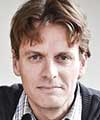
Understanding Cognition Through Mathematical Models
Eric-Jan WagenmakersThe University of Amsterdam, The Netherlands
In order to improve our understanding of the human mind it is essential to collect data by measuring brain and behavior. Proper interpretation of such data, however, requires coherent data analysis and the development of formal process models. Eric-Jan Wagenmakers advocates Bayesian analysis tools and instantiates cognitive mechanisms in specific mathematical models. Such models stimulate the development of new theory and allow a more effective interaction between psychology and neuroscience.
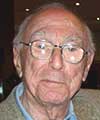
A Founder of the Cognitive Revolution
Jerome S. BrunerNew York University
As one of the most influential cognitive psychologists of the 20th century, Jerome S. Bruner changed the public discourse - and policy - regarding education and how children learn. He is one of the founders of the "cognitive revolution" that transformed not only psychology but other fields related to the mind, such as anthropology, neuroscience, and linguistics. Many of his ideas, which may seem intuitive now, ran counter to the prevailing wisdom of the time, primarily his belief that learning is an active process. This principle pervades Bruner's work: he emphasized the value of teaching children fundamental structure over facts, as it empowers them to actively participate in the quest for knowledge. He also controversially argued that any topic, when appropriately framed, can be taught effectively to children at any stage of development. Some of Bruner's most influential cognitive research includes his concept that people use three systems to acquire knowledge: enactive, iconic, and symbolic (which are based on action, images, and language, respectively), as well as his emphasis on the importance of categorization in every facet of cognition, from perception to decision making. He later shifted focus to the larger cultural aspects of learning, such as the influence of social factors on a child's perception and language development. Bruner's current research focuses on the way we form and use narrative constructions of reality, especially in regard to cultural institutions like the law. Watch Inside the Psychologist’s Studio: An Interview with Jerome S. Bruner

Predicting Psychosis
Elaine WalkerEmory University
In the search for new ways to prevent and treat mental illnesses, scientists are refining their understanding of the interplay between environmental factors and brain development in these disorders. Elaine F. Walker has been instrumental in propelling this area of research forward. In one of her most well-known studies, she retrospectively examined childhood home movies of adult-onset schizophrenia patients and their healthy siblings using quantifiable behavioral observations. This approach was groundbreaking in examining real-time predictions of schizophrenia across the early developmental trajectory. Most recently, Walker and her colleagues have been studying a developmental period called the “prodrome,” or the period of months or years that lead up to the onset of a clinical psychiatric disorder. Their aim is to enhance understanding of the neural mechanisms that trigger psychosis. Walker’s research carries important implications for public health and development of novel preventive interventions. Watch Walker’s Award Address at the 25th APS Annual Convention.
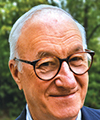
Learning Through Observation
Albert BanduraStanford University
The famous Bobo doll experiment showed that children learn through observation, not just through reward and punishment. In that classic study, Albert Bandura showed that children who had watched adults beat an inflatable clown doll learned to model the same aggressive behavior. This study marked an important shift in the field of psychology toward a social–cognitive model of learning. For almost 60 years, Bandura’s work in the fields of social and cognitive psychology has served as a foundation for research on topics ranging from moral judgment to the effects of media violence. Considered one of the most influential psychological scientists of all time, Bandura is a recipient of the APS James McKeen Cattell Fellow Award for his achievements in applied psychological research. Watch Inside the Psychologist’s Studio with Albert Bandura and Gian Vittorio Caprara.
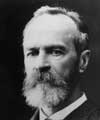
Birth of a Science
William JamesPsychology just wouldn’t be the same without William James, known as the father of modern American psychology. He initially earned a degree at Harvard Medical School, but rather than practice medicine, James wandered into the fields of philosophy and psychology. He acknowledged that he was a newbie, writing that “I never had any philosophic instruction, the first lecture on psychology I ever heard being the first I ever gave.” But that didn’t stop James. A prolific writer, he published books and essays on topics ranging from emotion theory to free will, and wrote up until the day he died. James is best known for his classic psychology text The Principles of Psychology, a work that had a profound impact on the field of psychological science. Most researchers and theorists would shudder to think what modern psychology would be like if James decided to do something with that MD. The Association for Psychological Science (APS) established the William James Fellow Award to honor individuals for their lifetime of significant intellectual contributions to the basic science of psychology.
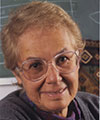
Learning Vocabulary and Grammar
Janellen HuttenlocherUniversity of Chicago (retired)
Janellen Huttenlocher has published on a range of research topics, including language, spatial coding in adults and children, quantitative development, and memory. Huttenlocher has been particularly interested in the role of the child’s environment in the development of cognitive skills. One of her most famous findings is that the verbal behavior of parents and teachers not only determined children’s vocabulary growth, but also their grammatical learning. Huttenlocher has also conducted research on conceptual representation and memory, including the role of concepts in people’s memories of events. Her research reveals that if people are uncertain of an event’s position within a chunk of time, they err toward the middle; asked what day they had been visited by an interviewer four days to 75 days earlier, the errors tended to run toward Wednesday. But they were able to distinguish whether the visit occurred on a weekday or weekend. Huttenlocher also has influenced generations of young psychologists through her mentorship and teaching. Her contributions to the future of psychology has been far-reaching and profound and she is the recipient of a 25th anniversary APS William James Fellow Award for her significant intellectual contributions to the basic science of psychology. Read more about Huttenlocher’s researchhere.

Early Diagnosis and Intervention for Autism Spectrum Disorder
Geraldine DawsonUniversity of North Carolina at Chapel Hill and Autism Speaks
Geraldine Dawson’s research has contributed greatly to the growing body of evidence about autism spectrum disorder (ASD), especially in young children. Dawson has approached ASD from all angles, from conducting studies of early brain and behavioral development to genetic research. She pioneered the use of event-related potentials to study early brain function in very young children with ASD. Her main focus, however, lies in early diagnosis and intervention. She was one of the first researchers to demonstrate that autism symptoms could be recognized in young infants. Recently, with Sally Rogers, Dawson helped develop the Early Start Denver Model (ESDM) for behavioral intervention for toddlers with autism. She empirically validated this model in the first-ever randomized, controlled trial of a comprehensive behavioral intervention for toddlers with autism, and the results revealed that children who received ESDM showed significant improvements in IQ, language, and adaptive behavior. Dawson is a recipient of the Association for Psychological Science (APS) James McKeen Cattell Fellow Award for her lifetime of significant intellectual achievements in applied psychological research. Watch Dawson’s Award Address at the 24th APS Annual Convention.

The Creative Workplace
Christina E. ShalleyGeorgia Institute of Technology
The work day can often be somewhat predictable and routine, but Christina E. Shalley is attempting to enhance the creativity of employees. Shalleys research focuses on how a variety of social and contextual factors affect individuals and teams creativity. Her research combines psychology and management, using a variety of survey and experimental techniques. Specifically, she is investigating how to make jobs and work environments more conducive for creativity. Shalley has also studied group behavior and found that having a lot of personal ties and a diverse social network makes individuals more creative when they are working with others, increasing the teams overall creativity.
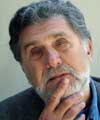
Human Motivation
Elliot AronsonUniversity of California, Santa Cruz
Elliot Aronson is perhaps best known for his experiments refining the theory of cognitive dissonance, which states that people will change their attitudes or behaviors to reduce cognitive discomfort caused by performing actions that are inconsistent with their beliefs. He is also recognized for his work seeking to understand and reduce intergroup and racial conflict -- leading to the creation of the Jigsaw Classroom intervention program. Aronson is known for applying theory and research to real-world problems, and for challenging researchers to adapt their findings for use in everyday life. His textbook The Social Animal, has been widely used for over 40 years. Aronson is the only person to have won all three of APA's major awards for distinguished writing, distinguished teaching, and distinguished research. The Review of General Psychology listed him as one of the 100 most eminent psychologists of the 20th century. He is also the recipient of the Donald Campbell Award, the Gordon Allport Prize and the Association for Psychological Science (APS) William James Fellow Award for his lifetime of significant intellectual contributions to the basic science of psychology. Watch Elliot Aronson: The Intersection of Art and Science.

Illuminating Cognitive Development
Judy DeLoacheUniversity of Virginia
In her research on early cognitive development, Judy Deloache examines how young children come to understand the various types of symbolic representations around them. Her research on infants and young childrens understandings of pictures, models, and replica objects shows that they have difficulty understanding the relation between a symbolic object and what it stands for. Failing to achieve what she refers to as dual representation, infants and toddlers often treat symbolic objects as if they were real, trying, for example, to lift a picture of an object off the page on which it appears. She recently documented a new phenomenon called scale errors, in which young children treat a miniature object as though it were its much larger counterpart, trying, for example, to sit in a tiny chair or get into a miniature car. DeLoache is a recipient of a special 25th anniversary APS William James Fellow Award for her significant intellectual contributions to the basic science of psychology.

The Source of Stereotypes
Susan T. FiskePrinceton University
It’s human nature to categorize people. When we meet someone for the first time, we make instant judgments about their social status and their personality. Susan Fiske has devoted her career to examining the role of these kinds of judgments in stereotypes and bias. Her research shows that we favor people whom we see as warm and competent, and snub those we view as cold and inept. These perceptions are heavily influenced by race, age, gender, and disability, which can lead to stereotyping and discrimination. With the help of brain imaging, Fiske has found that our social perceptions and prejudices have neural components. But while prejudice may be an inevitable part of the human condition, Fiske’s research shows that it also is surmountable.
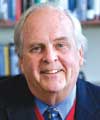
Treating Anxiety
David H. BarlowBoston University
Many of us battle with fear and anxiety in our daily lives, but David Barlow was one of the first clinical psychologists to take this fight into the laboratory. Not only did he conduct much of the research characterizing the etiology of anxiety, but Barlow also can be credited with many of the breakthroughs in the treatment of anxiety disorders. His use of situational and interoceptive exposure as a treatment for panic disorders laid the foundation for the wider development of empirically validated cognitive behavioral therapies that have come to replace less scientifically sound treatment methodologies. In order to combat the surfeit of disorder-specific treatments that abound in today’s clinical environment, Barlow is now focusing on developing a transdiagnostic treatment model. This model unifies the core principles of all emotional treatment models and thus can be applied to many different psychopathologies. Barlow hopes this more universal approach will enable treatments to be more readily disseminated to clinicians and, ultimately, to the patients who need them most. He is a recipient of the Association for Psychological Science (APS) James McKeen Cattell Fellow Award for his lifetime of significant intellectual achievements in applied psychological research and their impact on a critical problem in society. Watch Barlow’s Award Address at the 24th APS Annual Convention.

Language and Cognition
Gabriella ViglioccoUniversity College London
Gabriella Vigliocco investigates how our brains integrate language and cognition, examining a variety of languages, both spoken and signed, and using tools from several disciplines, including neuroscience and experimental psychology. Over the years, her work has contributed to our understanding of how we represent meaning, how cognition shapes languages and how language shapes cognition. She has challenged many traditional ideas about language, like the notion that language is a modular and purely symbolic system that does not entail direct links with our sensory-motor and affective experience. She has developed theoretical and computational models of how meaning is represented and how sentences are produced that account for language performance in terms of interactions among different types of linguistic and non-linguistic information. She is now using these models to tackle questions like how abstract concepts such as justice and courage are formed and processed in our brains.

Probing the Teen Brain
Eveline CroneLeiden University
Adolescence is widely seen as a period of moodiness and risk-taking. Much of that stems from uneven development in the brain during the teenage years. Eveline Crone has used brain imaging technology to identify this imbalance, and to study how it effects teenagers’ sensitivity to emotional stimuli. Her work has shown that during adolescence, the brain regions that respond to pleasure and sensation-seeking develop discordantly with regions associated with reasoning. That can explain some of the impulsive behavior typically associated with teenagers. But Crone has also found that adolescents are extremely creative, due to an overproduction of grey matter in certain areas of the brain. Her work is helping parents, educators, and society at large better understand this special phase in human development.

The Nature of Culture
Douglas L. MedinNorthwestern University
Douglas Medin has explored scientific reasoning in children and adults across cultures, as well as across urban versus rural populations. His research also has focused on what is known as commons behavior. This line of inquiry asks why certain populations do or don’t destroy a shared environment to fulfill selfish needs. His research teams have studied indigenous Mayan populations and found that they share natural resources without draining them, largely because they develop a rich, spiritual understanding of forest ecology. Medin’s work has helped move psychological science beyond laboratory models to a broader focus on how our cultural background influences our view of the world.

The Nature/Nurture Mixture
Terrie MoffittDuke University
The nature/nurture interaction is a vibrant and important field of study in behavioral science. Terrie Moffitt has focused her research on how genes and environment can, in certain combinations, spur antisocial and criminal behaviors. Her groundbreaking research, in collaboration with psychological scientist Avshalom Caspi, showed that individuals with a specific genotype are more vulnerable to developing antisocial and violent behavior if they are mistreated during childhood. She’s also linked another genotype to a risk for depression in the wake of stressful life events. Watch Terrie Moffitt's keynote address at the inaugural International Convention of Psychological Science.
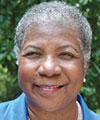
Growing Up Resilient
Margaret Beale SpencerUniversity of Chicago
Children in densely populated and under-resourced areas often need inspiring and thoughtful teachers. Margaret Beale Spencer researches how children build resiliency, identity, and self-esteem, and how well-trained teachers can set a solid example for students. Her experiments identified that children as young as three years old learn discriminatory tendencies, but that these tendencies can be reversed with training. Spencer designed a CNN study to test racial bias in children. In addition to other major sources of recognition, she was awarded the 2006 Fletcher Fellowship, which recognized work that furthers the broad social goals of the US Supreme Court's Brown v. Board of Education decision. Her vulnerability and resiliency focused human development theorizing guides an ongoing program of research on how effective coping strategies can result in healthy outcomes for adolescents in stressful environments, and how teacher/student interactions can be guided to maximize learning.
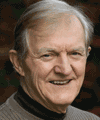
Memory and Learning, Researcher and Theorist
Gordon BowerStanford University
Gordon Bower is one of the premier experimental psychologists and learning theorists. Bower’s research focuses on the ways that various cognitive processes – such as imagery, emotion, and reading and language comprehension – relate to memory, learning and reasoning. Bower was one of the first researchers to examine the effects of mood on memory, and his research has greatly contributed to our knowledge of state-dependent memory and learning. Bower’s service as Chief Scientific Advisor to the NIMH Director and his appointment as leader of an NIMH task force commissioned to review the state of mental health knowledge and research have positively impacted the direction of psychological science. His pioneering work earned him one of the United States’ highest scientific honors, the National Medal of Science. A Past President of the Association for Psychological Science (APS), Bower is a member of the National Academy of Sciences and a recipient of the Howard Crosby Warren Medal, the Distinguished Scientific Contributions Award, the Wilbur Cross Medal for Distinguished Scientific Contributions, and the APS William James Fellow Award for his lifetime of significant intellectual contributions to the basic science of psychology. Watch Inside the Psychologist’s Studio: An Interview with Gordon Bower.

Understanding Unconscious Associations
Mahzarin R. BanajiHarvard University
Mahzarin Banaji studies how our minds make decisions without awareness, intention, and control. She analyses how one human being judges another and the extent to which social groups (such as nationality, gender, race, physical attributes) enter into choices. She studies both behavior and the brain, she analyzes the minds of both adults and young children, and she conducts her experiments in the traditional laboratory as well as on the web. With two colleagues she hosts an educational and research site (www.implicit.harvard.edu) at which the Implicit Association Test (IAT) is used to teach people about the associations in our minds of which we are unaware. By exposing people to their own unconscious bias, and by speaking publicly about her own biases, Banaji works to increase awareness with the hope of changing minds through psychological science. Watch Inside the Psychologist’s Studio with Mahzarin Banaji and Rebecca Saxe. Watch Banaji's Keynote Address at the 26th APS Annual Convention.

Understanding Romantic Relationships
Elaine HatfieldUniversity of Hawaii at Manoa
For advice on love, you’re probably better off going to Elaine Hatfield than Dr. Drew. In her more than 40 years of research, Hatfield has taken an empirical approach to understanding different facets of romantic relationships, including physical attraction, relationship satisfaction, sexuality, and emotional intimacy. She pioneered the theory that there exist two types of romantic love, passionate and companionate. Though intense, irrational passionate love differs greatly from deeply affectionate and stable companionate love, Hatfield has found that both have an impact on relationship satisfaction and longevity. She also designed the Passionate Love Scale to quantify components of passionate romance; today this scale is used everywhere from psychology labs to online dating sites. Her research extends beyond romantic relationships, however; she has also studied extensively the idea of equity, or fairness, in social contexts, as well as the influence of gender on sexual motivation and behavior. Hatfield is a recipient of the Association for Psychological Science (APS) William James Fellow Award for her lifetime of significant intellectual contributions to the basic science of psychology. Watch Hatfield’s Award Address at the 24th APS Annual Convention (introduction by Ellen Berscheid).

Language, Mind, and Human Nature
Steven PinkerHarvard University
Hailed as one of the world’s most influential people, experimental psychologist Steven Pinker’s interests span all aspects of language, mind, and human nature. In his classic book The Language Instinct, Pinker argues that languages are learned but that language is an instinct — an evolutionary adaptation for the communication of complex ideas. Pinker has studied the meaning and acquisition of verbs, and what they tell us about concepts of causation, space, time, and intentions. He has also studied the forms of verbs, particularly the contrast between regular forms of the past tense, which are generated by the mental rule “add -ed” (talk, talked), and irregular forms (grow, grew), which have to be memorized. He also has studied the neural bases of language processing and the psychology of innuendo and euphemism, and in 2014 published a style manual applying psycholinguistics to writing. In addition to language, Pinker has written on vast stretches of the human mind, including emotion, vision, reasoning, and especially violence. In The Better Angels of Our Nature: Why Violence Has Declined, Pinker presents data showing that we are living in the most peaceful time in human history, and seeks to explain why.

Practical Wisdom
Barry SchwartzSwarthmore College
Everywhere we turn these days, we are confronted with a dizzying array of choices, whether we’re shopping at the supermarket or searching for a first home. Barry Schwartz’s research investigates the decision-making processes that underlie our choices and examines how our choices make us feel. Schwartz’s research has shown that, rather than making us feel better, having more freedom and choice often makes us feel worse. Specifically, the expectation of choice may cause us to question our choices before we make them and can lead us to be disappointed with them afterward. More recently, Schwartz has turned to examine the role of ‘practical wisdom’ – built on personal experience, ethics, and judgment – in decision-making. Throughout his work, Schwartz blends insights from psychological science and economics to understand how we make decisions, how we come to value some things above others, and how we balance our sense of morality with our own self-interest. Schwartz is the author of several best-selling books, including The Paradox of Choice: Why More Is Less and Practical Wisdom: The Right Way to Do the Right Thing. Watch Schwartz’s Bring the Family Address at the 24th APS Annual Convention.
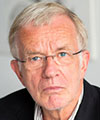
The Link Between Perceiving and Doing
Wolfgang PrinzMax Planck Institute, Germany
Common coding theory holds that seeing, hearing, or thinking about an action triggers the same cognitive processes that are activated when we actually perform the action. Experimental psychological scientist Wolfgang Prinz is the founder of that theory, which provided a critical foundation for advances in cognitive neuroscience. The discovery of mirror neurons in macaque monkeys (neurons that fire both when the monkeys perceived another performing an action, such as grabbing a piece of food, and when they actually grasp the food themselves) provided some of the first neurophysiological evidence for common coding. Functional neuroimaging experiments in humans also indicate that the neural circuits involved in action execution partly overlap with those activated when actions are observed. Prinz’ work suggests that perception and action are integral and interactive features of overall cognition.
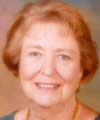
Understanding and Improving Children’s Lives
Sandra ScarrUniversity of Virginia
What influences children’s development? Sandra Scarr’s research shows the impact of genes, daycare, adoption, parental influence, and intervention programs on the development of children. Her work with identical and fraternal twins and her use of adoption studies greatly enhanced the understanding of the genetic influences associated with the development of intelligence. Scarr’s research on child poverty, child care, and children’s education has had far-reaching and lasting influence on public policy in those areas. . Scarr also served as CEO of Kinder Care Learning Centers, the largest day-care provider in the US. She is a Past President of the Association for Psychological Science (APS), as well as a founding co-editor of the APS journal Current Directions in Psychological Science. She is a fellow of the American Academy of Arts and Sciences and the American Association for the Advancement of Science. Scarr is a recipient of the APS James McKeen Cattell Fellow Award for her lifetime of significant intellectual achievements in applied psychological research.
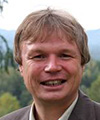
Treatment Tracker
Wolfgang LutzUniversity of Trier
One of the biggest challenges psychotherapists face is deciding on the appropriate treatment for individual patients. Wolfgang Lutz is an internationally recognized researcher on psychotherapy, and is leading the field in collecting important data about treatment effectiveness and results. He has pioneered the concept of expected treatment response (ETR), which involves an individualized log of each patient’s progress in relation to their expected response to the therapy. His work is helping providers to deliver proven and individually tailored treatment plans and to pre-emptively spot patients at risk for treatment failure.

The Laws of Attraction
Ellen S. BerscheidUniversity of Minnesota
A half-century ago, psychologists considered the study of love and attraction unworthy of study. But Ellen S. Berscheid helped make the science of love one of the most vibrant areas of inquiry in modern social science. Berscheid and her collaborator Elaine C. Hatfield helped pioneer an empirical approach to understanding different facets of romantic relationships, including physical attraction, relationship satisfaction, sexuality, and emotional intimacy. She has also studied the importance people place on physical attractiveness, not just when searching for romantic partners but also in other interactions. In one classic experiment, she demonstrated the preferential treatment that male subjects showered on women they perceived as sexually appealing. Most recently, Berscheid has examined the influence that physical and social environment has on relationship quality and satisfaction. In 2012, she received the APS William James Fellow Award for her contributions to the basic science of psychology. Watch Berscheid's Award Address with her colleague, Elaine C. Hatfield, at the 24th APS Annual Convention.

Motivational Success
Ruth KanferGeorgia Institute of Technology
Ruth Kanfer’s research examines the role of motivation, personality, emotion, and self-regulation in training, performance, and work transitions across the lifespan. Her work investigates the structure and influence of motivational traits such as mastery, desire to learn, competitiveness, and worry on goals and skill training, consequences of job search behavior, and the predictive validity of traits for academic and job success. Her research also explores emotion regulation, motivation in an aging workforce, and person determinants of contextual work behaviors.

Busting Myths on Autism, Dyslexia
Uta FrithUniversity College, London, United Kingdom
Autism was once thought to be the result of detached parenting rather than a condition of the brain. Internationally renowned developmental psychologist Uta Frith was among the first scientists to debunk that myth. Frith found that autistic people have trouble understanding mental states and find it hard to intuit what others may be thinking. She has also suggested that individuals with autism are highly capable of processing details but worse than other individuals at integrating information from many sources. And Frith has been a major force in destigmatizing dyslexia, showing it to be separate from environment and intelligence. Frith is the recipient of an APS 25th anniversary William James Fellow Award for her significant intellectual contributions to the basic science of psychology.

Winning Streak, Really?
Peter AytonCity University London, United Kingdom
Peter Ayton studies our judgment and decision making processes, especially where those processes often go wrong. He has investigated judgment errors like the hot-hand fallacy, in which people tend to expect that recent positive successes within a random sequence will continue—like a basketball player on a “hot” shooting streak—and the related gambler’s fallacy, in which people expect that such a positive or negative streak will eventually be balanced out. Ayton has also examined the ways in which these fallacies can harm us, such as the increase in bicyclist deaths in the aftermath of the 2005 London underground bombing, as fear caused many people to abandon the subway in favor of cycling—statistically a much more dangerous mode of transportation. His research has helped bring to light our judgment errors in all aspects of modern life, including sports, health, and computing.
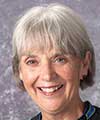
Defining and Shaping Health Psychology
Karen A. MatthewsUniversity of Pittsburgh
Karen Matthews, renowned for her many contributions to the formation and growth of health psychology, helped set the stage for expansion of the field through her editorship of Health Psychology, advisory roles at National Heart Blood Institute, and through her participation in the landmark National Working Group on Education and Training in Health Psychology. At the University of Pittsburgh, she initiated an innovative Cardiovascular Behavioral Medicine training program that provided multidisciplinary training to many individuals who later became leaders in the health psychology field. Matthews’ research accomplishments have included seminal work on childhood antecedents of coronary heart disease risk, women's health and menopause, and the effects of socioeconomic status on health. She is the recipient of a 25th anniversary APS James McKeen Cattell Fellow Award for her groundbreaking research in health psychology. Read more about Matthews’s research here.

The Nature of Empathy and Compassion
Tania SingerMax Planck Institute, Germany
Tania Singer is recognized as a world expert on empathy and compassion, and takes an interdisciplinary approach to study social and moral emotions such as fairness, envy, compassion, and revenge. In addition to brain imaging, her research methods include also game theoretical and psychological tasks, virtual reality environments and measuring biological markers such as the stress hormone cortisol. In a landmark 2004 study, she discovered that some of the same brain regions that are active when we feel pain also react to the knowledge that a loved one is being hurt. Those findings provided evidence that empathy on some level is an automatic, physiological response. Singer draws a distinction between empathy and compassion, defining the former as feeling someone else’s emotional state and the latter as warm feeling of cocern rooted in the desire to improve the wellbeing of another. She has looked at the negative effects of empathy, positing that too much empathetic suffering can lead to empathic disstress, depression and even burnout. She is testing training methods aimed at helping people to shift their emotional reactions from empathy toward compassion and is now conducting a unique large-scale one-year longitudinal compassion training study, the ReSource project, to investigate the differential effects of different mental training techniques on plasticity of the social brain and behavior. She also edited a free downloadable multi-media E-book on Compassion (www.compassion-training.org).

Mathematic Models and Human Learning
Thomas L. GriffithsUniversity of California, Berkeley
Thomas Griffiths developed mathematical models of higher level cognition. He focuses on the abstract computational problems that underlie inductive human cognition, such as probabilistic reasoning, learning causal relationships, acquiring and using language, and inferring the structure of categories. He researches the ideal solutions to those problems using ideas from probability theory and Bayesian statistics, used to calculate the likelihood of a hypothesis. These statistical tools allow him to analyze human learning and link computer science research to artificial intelligence and machine learning. His innovative research won him a 2011 Janet Taylor Spence Award for Transformative Early Career Contributions from the Association for Psychological Science (APS). Q&A with Thomas L. Griffiths

Debunking pseudoscience and studying psychopathy
Scott O. LilienfeldEmory University
Scott Lilienfeld is both a researcher of and advocate for psychological science. His clinical work has primarily focused on psychopathy; he developed the Psychopathic Personality Inventory (PPI-R), a 154-item personality test developed to be taken by general, rather than clinical, populations. The PPI-R provides an indication of traits associated with psychopathy without linking them to specific behaviors. Additionally, Lilienfeld has devoted much of his work to correcting the widely misunderstood nature of psychopathy, which is still commonly — but falsely — believed to be a signifier of violent tendencies and psychotic disorders. He has expanded this pursuit to include debunking pseudoscience and common psychological myths of all kinds, such as the idea that “opposites attract” or that people only use 10% of their brain, in addition to providing guidance for people so they can recognize a bogus psychological claim when they see one. Lilienfeld has also examined the related issue of why the general public often views psychological research as an unscientific pursuit, and he has made recommendations for how individuals and institutions can convey the scientific rigor of psychology to general as well as clinical populations.
