
Is Interdisciplinary Science Worth It?

There was a recent discussion on LinkedIn about whether interdisciplinarity makes you unemployable. This struck a chord with me because I have labeled myself an interdisciplinary developmental scientist for most of my career. I agree with the poster’s underlying point: Even when academic institutions espouse the ideals of interdisciplinarity, they primarily hire and reward those with highly focused research agendas.
The poster ended by saying they would mentor differently going forward: less encouragement of broad reading and integration, more focused scholarship. That felt like the wrong direction to me. But then, in a mentoring meeting of my own, a student asked whether she needed to narrow her research to a single outcome. She’d picked up the idea from other students, who were being coached to be more focused on getting an academic job. She is studying parenting and child development, specifically how parents develop the beliefs and behaviors that shape the next generation.
“Each of us believes our theories and methods can fully explain why people do what they do, but human behavior is never just genes, or brains, or socialization, or economics, or politics, or place, or history. It’s some piece of all of these, at different levels within the person, shifting across time.”
Pamela Davis-Kean, APS President
There is a strong tradition in psychology of examining parenting. Still, it tends toward a monolithic “good parent/bad parent” framing, with little attention to the parent as a developing adult in their own right. Most of what we know about becoming a parent comes from other social sciences like sociology and anthropology through family formation research. Telling her to narrow to one outcome and one discipline would not help to answer the question that makes her research worth doing.
The lesson I take from this isn’t that interdisciplinarity fails; it’s that we structured it wrong. You don’t want scholars answering to two or more disciplines. You want them to enrich and integrate their own discipline with ideas drawn from others.
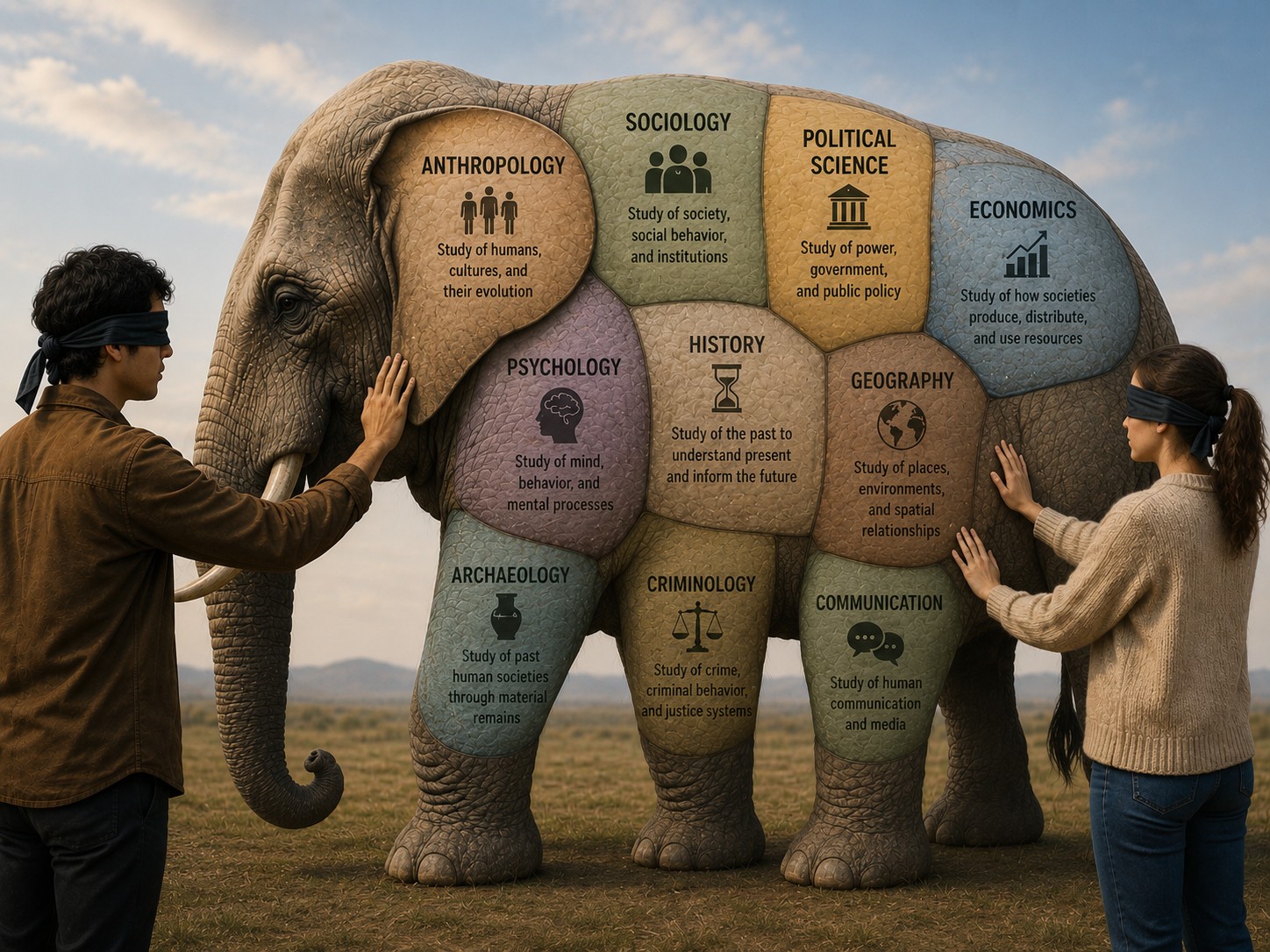
With the help of ChatGPT, I created an image built around the parable of the blind men and the elephant, each touching a different part and believing he has described the whole animal (note that it is clearly AI as it created a rare five-legged elephant, with the extra leg hidden behind the person on the right). That’s how I feel about the disciplines that study human behavior. Each of us believes our theories and methods can fully explain why people do what they do, but human behavior is never just genes, or brains, or socialization, or economics, or politics, or place, or history. It’s some piece of all of these, at different levels within the person, shifting across time.
And here’s the paradox I keep running into: What I’ve just described is exactly why deep focus is what good science requires. Understanding human behavior in its full complexity is overwhelming; studying one piece of it well is, in a real sense, the job. The hope is that once you’re tenured, you start integrating and broadening. I’d love that to be true, but we also know the opposite pressure kicks in just as often: Once you’re known for an area, you have to keep proving your expertise by returning to it again and again.
So, is there ever a point in an academic career where interdisciplinary thinking actually opens up? Or are we set on a narrow course for the duration?
I might feel more discouraged about this if I weren’t watching fields like cognitive science take shape, which is explicitly built to embrace interdisciplinarity by incorporating areas, such as computer science, philosophy, psychology, linguistics, and neuroscience, to ask how the mind and brain process the world and make decisions. Its growth as a recognized field, with its own departments and PhD programs, is a working example of disciplines being created around a shared question rather than defended around a shared territory. That raises a real question for the rest of us: Should the traditional boundaries of the social and behavioral sciences update to match how the questions actually work?
I saw another encouraging sign at the 2026 APS Annual Convention in Barcelona. A new addition, Industry Day, showcased research done in nonacademic settings, and the message from those speakers was consistent: A broad skill set is an asset in workplaces where the problem you’re solving changes regularly, and staying narrow doesn’t give you the flexibility those settings demand. Given the shifts underway in both the broader employment sector and academia itself, I expect the pressure toward broader training, not narrower, to keep building. As a quantitative methodologist myself, I’ll add one concrete recommendation: Continuing education in statistics and programming pays off no matter which path you follow. APS is always open to hearing how we can support that kind of ongoing training.
So, is interdisciplinary science worth it? I think so, but only if we’re honest about what it costs under the current system, and are willing to change how we train, hire, and tenure people so that the cost comes down.
As with my last column, I invite you to weigh in on the pros and cons of interdisciplinary training. Share your thoughts in the comments or reach out to me directly.
Feedback on this article? Email [email protected] or login to comment.
Related content we think you’ll enjoy
-
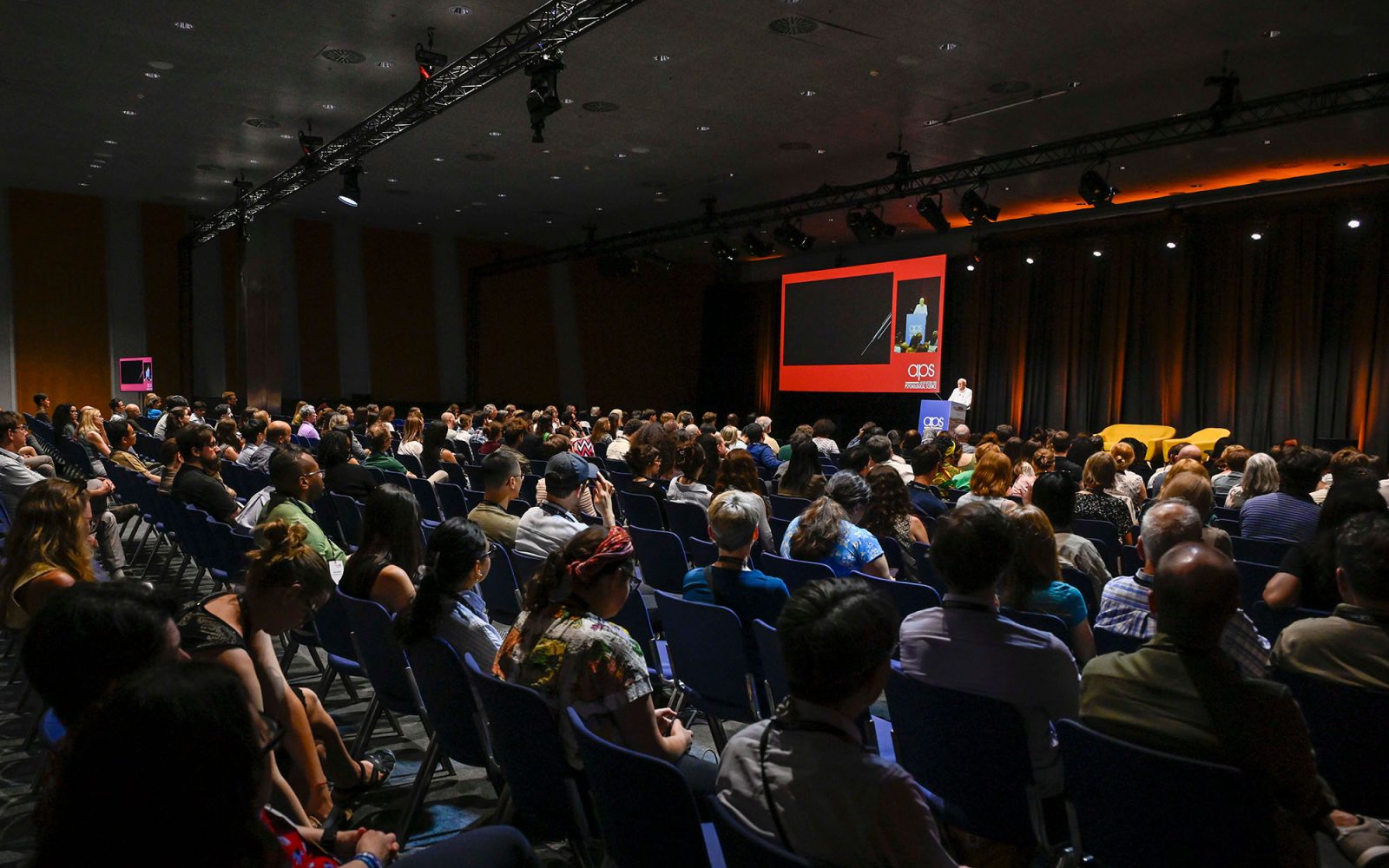
Science, Industry, and AI: Highlights From the 2026 APS Annual Convention in Barcelona
This year’s scientific convention featured an array of innovative programming, including the first-ever Industry Day and six Integrative Science Symposia.
-

The Uniquely Multidisciplinary Side of Clinical Psychology Is Spotlighted in New Special Issue
An eclectic collection of seven articles and four commentaries showcase the power and ongoing challenges of multidisciplinary collaborations in psychological science.
-
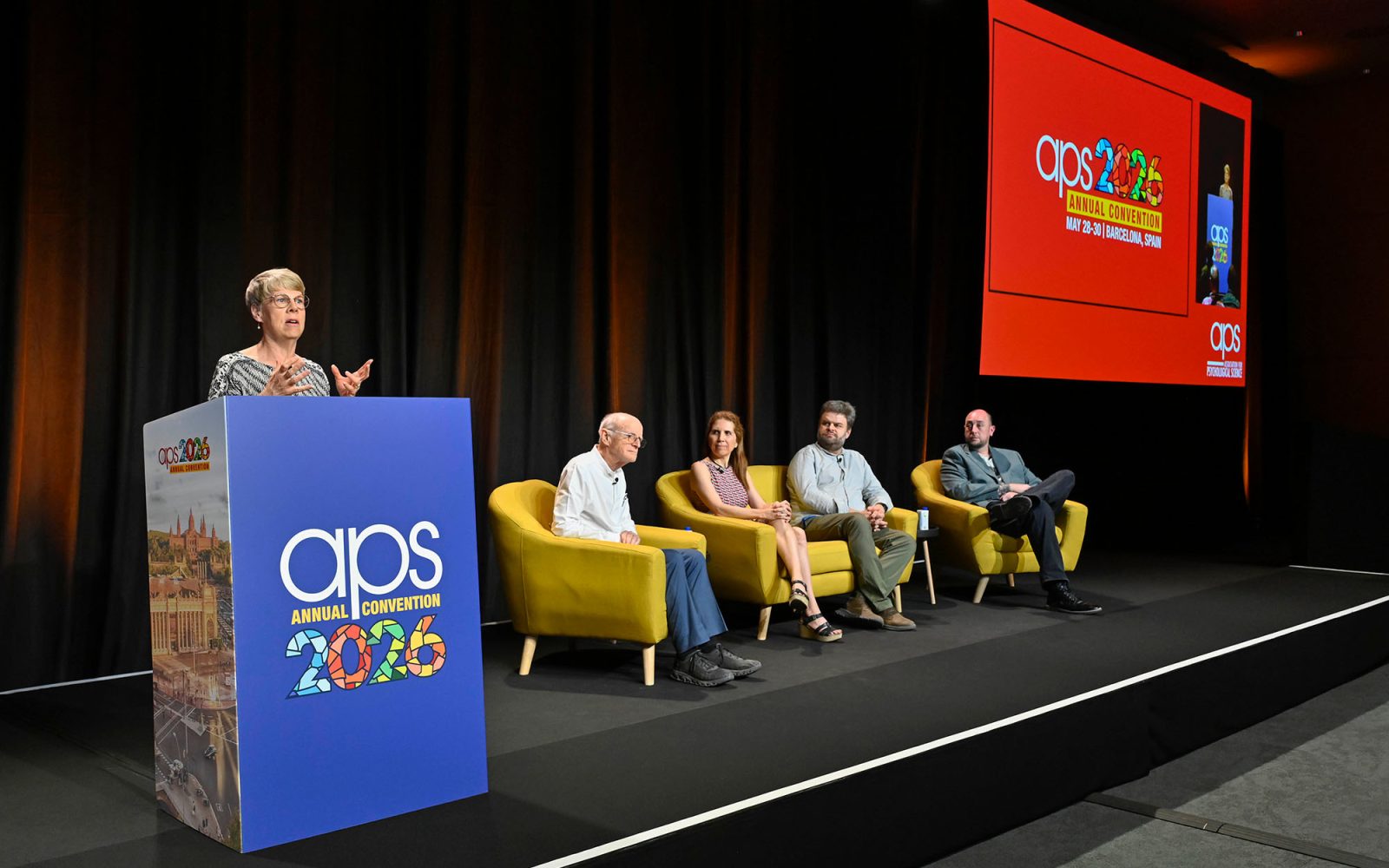
Making APS Conventions Work for You
In her first presidential column, Pamela Davis-Kean opens a dialogue about how APS can make the annual meetings something for members to look forward to each year.



APS regularly opens certain online articles for discussion on our website. Effective February 2021, you must be a logged-in APS member to post comments. By posting a comment, you agree to our Community Guidelines and the display of your profile information, including your name and affiliation. Any opinions, findings, conclusions, or recommendations present in article comments are those of the writers and do not necessarily reflect the views of APS or the article’s author. For more information, please see our Community Guidelines.
Please login with your APS account to comment.