
-
Hungry, Hungry Hippocampus: The Psychology Of How We Eat
Anyone who's tried (and failed) to follow a diet knows that food is more than fuel. The reasons we eat are even embedded in our language. When we're in an unfamiliar place, we yearn for comfort food. We take one too many scoops of ice cream because we stress eat. We connect to others by breaking bread. Having spent decades studying the interplay between food, identity, and culture, psychologist Paul Rozin has come to appreciate that hunger isn't the only reason we head for the kitchen. He says, "Food is not just nutrition that goes in your mouth or even pleasant sensations that go with it.
-
Study the Effects of Extreme Weather and Climate Change on Aging
The National Institute on Aging (NIA) has announced its special interest on integrative research studying the effects that extreme weather has on aging human populations.
-
Blood Test at Birth Could Predict Children’s Psychological Development
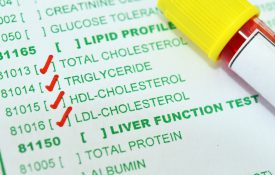
Babies born with high levels of bad cholesterol and a certain type of fat may face a heightened risk for social and psychological problems in childhood, scientists have found.
-
Do We Really Learn From Our Mistakes?
Contrary to conventional wisdom, people may learn less from their failures than from their successes, a study shows.
-

Games Can Be Good – When You Play for the Right Reasons
The effects of playing video games on well-being seem to depend largely on why and how an individual chooses to partake.
-
Time Pressure Can Squeeze the Truth
The idea that we have two minds, an authentic inner core and a false outer layer, is as ancient as Plato and as current as the new hit movie “Joker. ” If our real identities are packed away, hidden even from ourselves, we seldom reveal what we really think and instead cultivate appearances—or so many psychologists believe. According to this view, the best way to get people to tell the truth is by eliciting lightning-quick responses, before they can reflect and dissemble. But this may not be so, says a study published last month in the journal Psychological Science. It found that people are more likely to lie about themselves when under time pressure.
