
-
More Reasons to Be Nice: It’s Less Work for Everyone
A polite act shows respect. But a new study of a common etiquette—holding a door for someone—suggests that courtesy may have a more practical, though unconscious, shared motivation: to reduce the work for those involved.
-
Am I Safe Here?: How People With HIV/AIDS Perceive Hidden Prejudices in Their Communities
People in marginalized groups, such as the disabled or racial minorities, feel stigmatized—condemned, feared, or excluded—when other people stigmatize them. That’s obvious. But they can also feel stigma when nobody blatantly discriminates against them or
-
Attractive People Attract More Attention…to Their Unique Personality Traits
Beautiful people get all of the breaks. For one thing, they’re beautiful. Also, other people think their personalities are better, too. A new study published in Psychological Science, a journal of the Association for Psychological
-
Social Support Is Most Effective When Provided Invisibly
New research by University of Minnesota psychologists shows how social support benefits are maximized when provided “invisibly”—that is without the support recipient being aware that they are receiving it. The study, “Getting in Under the
-
Young in mind: Saying no to caricatures of aging
I recently became a grandfather. This was a joyous event in our family, and my first emotion was indeed joy — for the new parents, for the healthy baby boy. But I confess that my
-
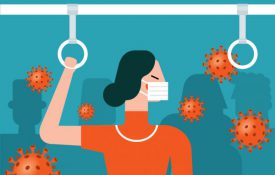
Sneezing in Times of a Flu Pandemic: Exposure to Public Sneezing Increases Fears of Unrelated Risks
The swine flu (H1N1) pandemic has received extensive media coverage this year. The World Health Organization, in addition to providing frequent updates about cases of infection and death tolls, recommends hyper vigilance in daily hygiene
