
-
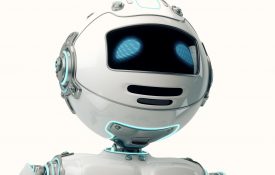
Robots for Research
From R2-D2 to Astro Boy to WALL-E, science fiction is riddled with diminutive, scrappy robots and androids that serve as sidekicks, assistants, and even heroes. But in the real world, childlike robots are increasingly at
-
Mind Over Midterms
Psychological scientists are studying promising interventions designed to change the mind-sets of students who believe their intelligence is limited or fixed.
-

Remembering Earl B. ‘Buz’ Hunt
Friends and colleagues of an acclaimed intelligence researcher celebrate his wit, charm, and scientific focus on individual differences in cognitive abilities.
-

The ‘Stubborn’ Cerebellum
Psychological scientists don’t typically describe brain areas as fickle, two-faced, or agreeable, but APS William James Fellow Richard B. Ivry explains why he ascribes a specific personality trait to the region that controls our sensorimotor system.
-
How Rats, Bats, Bees, and People Navigate Their Worlds
Nearly 70 years ago, psychological scientist Edward Tolman introduced the idea that humans and other animals have a “cognitive map” that allows them to navigate their everyday spatial environments. Evidence of physical processes underpinning cognitive
-
On One’s Own Time
People form a life story for themselves by weaving a temporal tapestry, taking psychological fabric from their past and threading it into their present experience and the future they hope to have. That’s essentially the
