

Plenary Session: Toward a Global Psychological Science
Tuesday, October 21, 2025
10:00 am – 11:30 am EDT (14:00 – 15:30 UTC)
This session invites scholars to envision a psychological science that truly spans the globe, bridging the richness of cultural diversity with the universality of human experience. From Asifa Majid’s exploration of how language and culture shape cognition, to Laurence Kirmayer’s innovative ecosocial approach to mental health, the panel highlights groundbreaking methods for understanding the mind in context. Amber Thalmayer will share transformative lifespan research from Africa, while Harvey Whitehouse will reveal how universal traits like conformism, religiosity, and tribalism have shaped humanity. Together, these talks will illuminate a bold path toward a more inclusive, impactful, and globally connected psychological science.
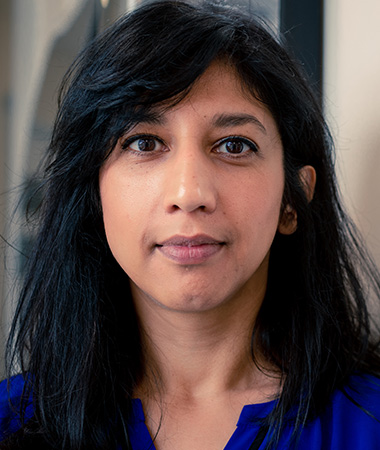
This presentation has been withdrawn and will not be delivered.
Bridging Diversity and Universality in Psychology
Asifa Majid, University of Oxford, UK (Speaker Withdrawn)
Around the world, people inhabit different social structures, ingest or avoid a variety of foods, and communicate in more than 7,000 mutually unintelligible languages. A global psychological science requires theory-driven data collection across cultures to establish universals of mind and behavior, while at the same time accounting for culturally shaped variation.
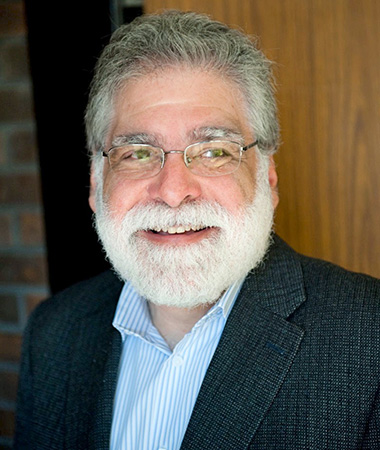
The Challenge of Diversity in Global Mental Health: A Cultural-Ecosocial Approach
Laurence J. Kirmayer, McGill University, Canada
Across the globe, there are substantial variations in the experience and expression of mental health problems. This presentation will discuss some epistemic and methodological challenges to understanding the interaction of culture and social context with individual psychology and neurobiology and outline an ecosocial approach to cultural diversity in health and illness.

Lifespan Research in Underrepresented Contexts: The Africa Long Life Study
Amber Gayle Thalmayer, Universität Zürich, Switzerland
Longitudinal studies are a gold standard method in psychological science but are virtually absent outside the West. Thalmayer will describe how we use mutually-beneficial collaboration, in-depth contextualization, and the integration of emic (localized) and etic (imported) approaches to study the development of personality and mental health in Namibia, Kenya, and South Africa.

Why Do We Need a Global Psychological Science?
Harvey Whitehouse, University of Oxford, UK
We need a global psychological science because we have a globally shared psychology. Three universal features of our psychology—conformism, religiosity, and tribalism—have been harnessed over the course of world history. By helping to explain how, scientific psychology can contribute to a more peaceful and sustainable future for humanity.
