

Plenary Session: Future of Global Psychological Science
Thursday, October 23, 2025
7:00 am – 8:30 am EDT (11:00 – 12:30 UTC)
This session will explore bold frontiers in psychology, imagining a future where science drives global understanding, peace, and innovation. Jacquelyn Cranney will explain how psychological literacy empowers individuals to apply psychology intentionally for personal, professional, and societal impact. Linda Woolf will demonstrate how psychological research can foster resilience, guide policy, and advance human dignity across communities worldwide. Chi Yue Chiu will introduce geopolitical psychology, revealing how historical, political, and social contexts shape human behavior and social understanding. Iyad Rahwan will present “machine culture,” uncovering how artificial intelligence both reflects and reshapes human culture. Together, these talks aim to inspire a globally engaged, ethically grounded, and forward-looking psychological science.

Why is Psychological Literacy Foundational to the Integrity and Positive Impact of Psychological Science?
Jacquelyn Cranney, University of New South Wales, Sydney, Australia
Psychological literacy is the intentional application of psychology to achieve personal, work, and community goals. To further the development of psychological literacy in our citizens, psychological scientists should contribute to resolving current crises within both psychological science and our society. Foundational undergraduate psychology education presents an obvious opportunity for such development.
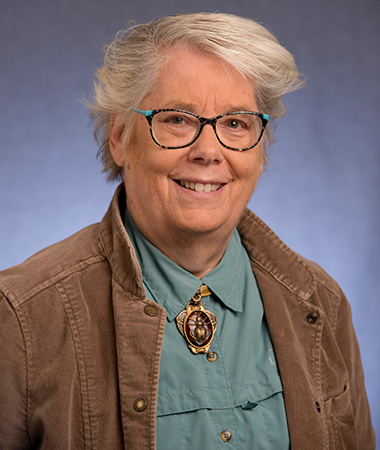
Psychological Foundations for Global Peace and Human Dignity
Linda M. Woolf, Webster University, USA
Psychological science plays a vital role in addressing human rights and global conflict, offering a future-focused pathway to international peace. This presentation will highlight research that supports resilience, informs policy, and empowers communities, which makes a meaningful contribution to sustainable peace and respect for persons and peoples across societies.
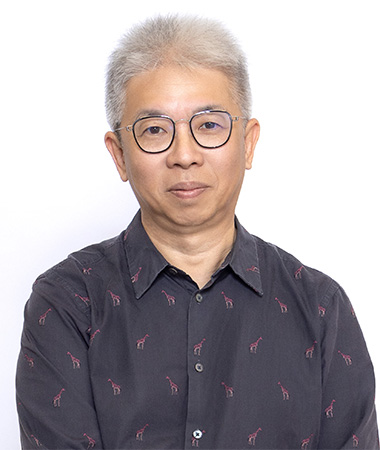
Geopolitical Psychology: An Emerging Perspective
Chi Yue Chiu, The Chinese University of Hong Kong
Geopolitical psychology synergizes insights from geography, political economy, and psychology. This presentation will explain how geopolitical psychology broadens/deepens our understanding of the society-psychology nexus and its transformations vis-à-vis the transactions of the person and the historical, current, and imagined geopolitical context, leading to critical interrogations of received social representations.
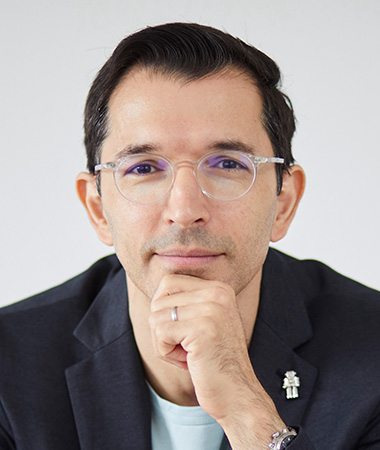
Machine Culture
Iyad Rahwan, Max Planck Institute for Human Development, Germany
This talk will introduce the concept of “machine culture,” culture generated and mediated by machines. It will present ongoing observational and experimental studies that identify the impact of artificial intelligence on human culture and provide a research agenda for the study of machine culture.
