

Plenary Session: Challenges in Global Psychological Science
Wednesday, October 22, 2025
2:00 pm – 3:30 pm EDT (18:00 – 19:30 UTC)
This session will tackle the pressing challenges and exciting possibilities of advancing psychology on a global scale. Michele Gelfand will offer forward-looking perspectives on navigating cultural and societal complexities. Waikaremoana Waitoki will challenge us to confront the legacies of racism, colonialism, and epistemic injustice, calling for decolonized approaches that honor Indigenous knowledge, lived experience, and collective care. Batja Mesquita will highlight how diverse social contexts shape human behavior and psychological understanding, revealing the richness of cultural variation. Kevin Durrheim will explore how Large Language Models mirror human intelligence, culture, and bias, offering tools to illuminate social dynamics and emphasizing ethical responsibility. Together, the panel inspires a psychology that listens, learns, and innovates with justice, inclusivity, and global impact at its heart.
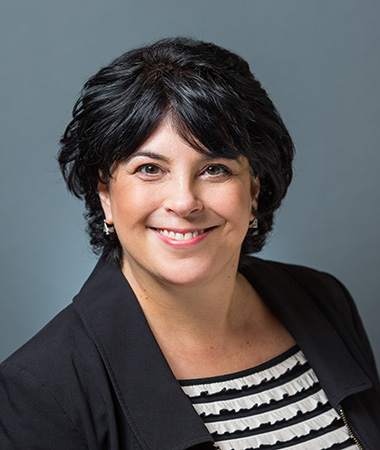
Cultural Evolutionary Mismatches in Response to Collective Threat
Michele Gelfand, Stanford Graduate School of Business, USA
Across the millennia, human groups have evolved specific cultural and psychological adaptations to cope with collective threats, from terrorism to natural disasters to pathogens. In particular, cultural tightness, characterized by strict social norms and punishments, has evolved as one key adaptation that helps groups coordinate to survive collective threats. However, interferences with threat signals that facilitate tightening can lead to cultural mismatches—either too much or not enough tightening. Gelfand will discuss two examples of cultural mismatches: the COVID-19 pandemic (a case in which collective threat is real, but there is a resistance to tightening) and the rise of populist movements (a case in which exaggerated threat leads to unnecessary tightening), and highlight theoretical and policy implications of cultural evolutionary mismatch theory.
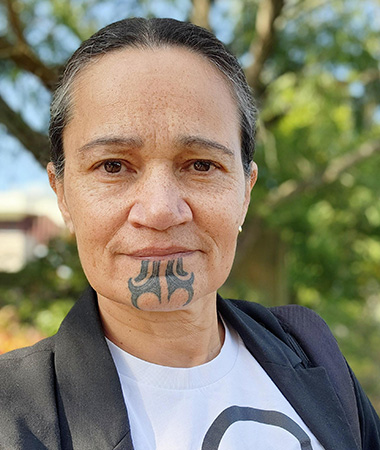
My Ancestors Navigated the Ocean and Fished up a Country: Science as Myth
Waikaremoana Waitoki, University of Waikato, Aotearoa New Zealand
Referencing developments in Aotearoa New Zealand, this presentation explores how racism, white supremacy, and epistemic injustice continue to shape psychological science. It considers the importance of decolonising thinking and centring an ethic of care that values Indigenous and community-held science knowledge—knowledges grounded in lived experience, cultural continuity, and collective practice. The focus is on recognising that the sites of knowledge and possibility lie with those most marginalised. Rather than directing change, psychology is invited to listen, reflect, and remain accountable to the expertise, resistance, and relational practices already sustaining justice and collective well-being within communities.
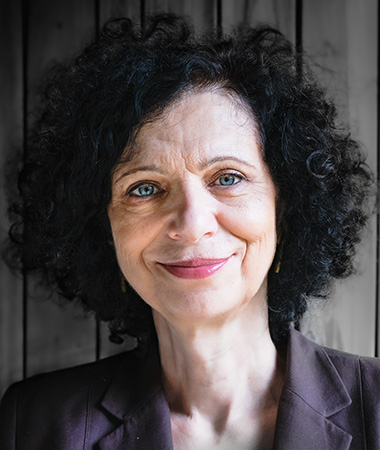
MINE and OURS Emotions
Batja Mesquita, University of Leuven, Belgium
In this talk, Mesquita will illustrate how emotional experience and practice differ between cultures that foreground a model of emotions as MINE (Mental feelings, INside the person, Essences) and cultures that foreground a model of emotions as OURS (OUtside the person, Relational acts, Situated).
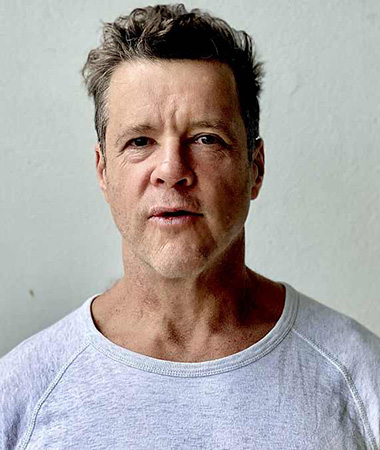
Prospects for African Representation In Global Psychological Science
Kevin Durrheim, University of Johannesburg, South Africa
Africa contributes less than 1% of global psychological research, despite its growing youth population. Reliance on WEIRD (Western, Educated, Industrialized, Rich, and Democratic) samples makes psychology incomplete. Beyond asymmetrical Northern partnerships, real transformation requires South–South collaboration and open science. The UJ Methods Lab advances African-led representation, building equitable infrastructures for globally relevant psychological science.
