
-

Global Science Requires Greater Equity, Diversity, and Cultural Precision
Three authors discuss the discrepancy between espoused ideals for a global science and implicit biases that perpetuate unequal visibility and representation in psychological science.
-
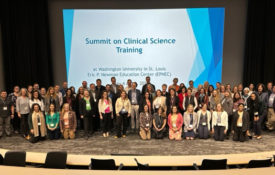
Exploring the Future of Clinical Science Training
APS Fellow Ann Kring provides a breakdown of the Clinical Science Summit, where psychological scientists gathered to discuss methods to strengthen and improve clinical science for the generations to come.
-

Complexities and Lessons in Researching Culture-Specific Experiences
Gheirat exemplifies a complex, culture-specific experience that requires using culturally sensitive research practices to investigate. Explore these case-specific ideas and solutions for researching phenomena from little-understood and/or studied phenomena.
-
Diversity, Trust, and Informed Consent: Making Genetics Research Effective for All
Research on genetic risk factors is paving the way for precision mental healthcare, but the field needs more racially diverse participants and perspectives for all people to benefit equally.
-

Representation and Relevance: Diverse Scholars Share Ideas for a More Equitable Field
In this edition of Student Notebook, we invited diverse scholars within the APSSC community to share some of their perspectives and experiences as young scholars from marginalized groups and their hopes for creating a more inclusive and equitable psychological science.
-

Teaching: Big Smile—Distant Diversity Drives Emotion Culture
Why do people from some regions tend to be more extroverted and agreeable than those from other regions? Teaching about the ancestral diversity theory of culture and human emotion.
