
-
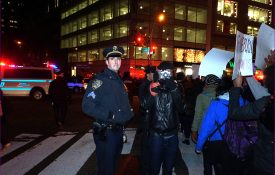
How Effective Is Police De-Escalation Training?
De-escalation training is thought to be a solution for mitigating police violence. Could research on its effectiveness be improved?
-

Doing Time: “Unfair” Delays Lead to Harsher Sentences
Most people agree that the punishment should fit the crime, but procedural delays outside of defendants’ control may cause judges, case review boards, and other third parties to support more severe sentences.
-
For Black Drivers, a Police Officer’s First 45 Words Are a Portent of What’s to Come
When a police officer stops a Black driver, the first 45 words said by that officer hold important clues about how their encounter is likely to go. Car stops that result in a search, handcuffing
-

Special Episode II: APS 2023 Spence Awardees on Sharing Minds, the Development of Learning, and Implicit Bias
Julian Jara-Ettinger, Emily Fyfe, and Calvin Lai discuss reading and sharing minds, the development of learning and its practical applications, and the importance of studying the gap between what people value and what people do.
-
Diversity Training: One Size Does Not Fit All
Diversity trainings as currently practiced are unlikely to change police behavior, suggests an analysis of a day-long training session designed to increase U.S. police officers’ knowledge of bias and use of evidence-based strategies to mitigate bias.
-

Traffic Stops and Race: Police Conduct May Bend to Local Biases
Pierce Ekstrom discusses new research on the relationship between countywide attitudes toward race and local policing.
