
-
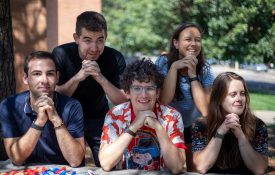
Member Spotlight: 2026 Spence Awardee Andrew Grotzinger on the Genetic Links Between Psychiatric Disorders
The University of Colorado Boulder professor writes about getting started during the “genomics revolution,” the future of psychiatric genetics research, and the importance of asking questions.
-
Emily Finn: Young American Scientist Studying How People Interpret the Same Things Differently
Neuroscientist Emily Finn often trawls Reddit for disagreements about television shows, movies, books or podcasts—any narratives that “evoke really different reactions in different people,” she explains. She is fascinated by the way individuals can walk
-
How We Chose the 2026 Young American Scientists
Scientific American used expert recommendations and data analysis to identify 28 exceptional early-career researchers. In late 2025 we asked the world’s top researchers a simple question: Who are the best, most promising early-career scientists working in
-

Member Spotlight: 2026 Spence Awardee Emily Finn on the Unique Patterns of Brain Activity
The Spence Award recipient talks about her research on individual variability in brain activity and behavior.
-
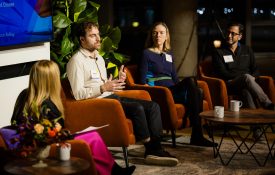
Member Spotlight: 2026 Spence Awardee William Brady on Blazing Your Own Research Path
The Spence Award recipient answered a few questions about his research on the interactions between human psychology and technology, the highlights of his career, and his practical advice for future researchers.
-
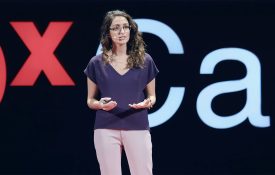
Member Spotlight: 2026 Spence Awardee Dorsa Amir on How Culture Shapes the Mind
The director of Duke University’s Mind & Culture Lab conducts research that sits at the intersection of culture, development, and cognition.
