
-
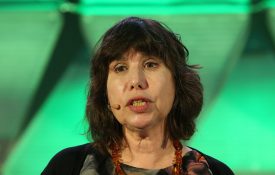
The Parenting Trap
The word “parenting” did not enter the popular lexicon until the 1950s, and when it did, said APS Fellow Alison Gopnik, it added fuel to a goal-centered perspective of how children should be raised that
-
Clinical Psychological Science Illuminates Need for Multilevel Studies of Antisocial Behavior
Antisocial behavior is a construct in clinical psychological science that encompasses many different behaviors and diagnoses. Behaviors as common as cheating, lying, and use of illicit substances are considered antisocial, as are aggression, theft, and
-
Cognition at the Speed of (LED) Lights
Since the 1970s, overhead fluorescent lighting has been standard in most office buildings. But, organizations may want to start swapping out their fluorescent lights for newer LED technology. Not only do LEDs use less power
-
A Cluttered Kitchen Can Nudge Us To Overeat, Study Finds
NPR: Hunger is not the only reason we eat sweets. Often we eat as a way to celebrate, or sometimes we reach for food when we’re sad or bored. And a study published this month
-
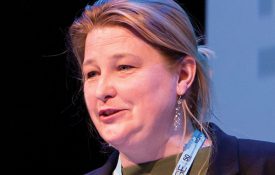
Attention on the Brain
Research links mindfulness meditation with everything from metacognition to cortical thickness in the brain, says APS Fellow Tania Singer. She and other psychological scientists impart the latest findings from the science of paying attention.
-
Inside the Psychologist’s Studio: Annette Karmiloff-Smith
Developmental psychology will become increasingly interdisciplinary, incorporating genetics, cell biology, the brain, the environment, and more, APS Board Member Annette Karmiloff-Smith projects in a just-released “Inside the Psychologist’s Studio” interview. Karmiloff-Smith, a highly influential developmental
