
Exploring Emerging Adulthood Among Ovambo Namibians
A new study looks at how young Namibians reach adulthood, broadening the understanding of this life stage in sub-Saharan Africa.

Image above: Three young men in Opuwo, of Himba, Herero, Oshiwambo, and Damara backgrounds, have different views on living traditional lifestyles in a globalizing country, but a shared dream to see Africa unite for political and economic power. All photos credit: Marta Van Patten, drawn from “Namibia Up: Being 18 in Africa today” (c) 2025 Amber Gayle Thalmayer, University of Zurich.
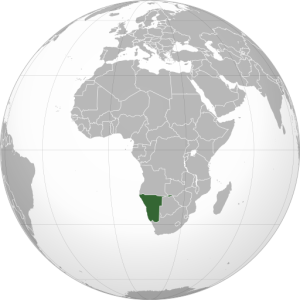
Becoming an adult can be a delicate balance for an Ovambo person, the largest ethnic group in Namibia. Many young adults are raised to prioritize and help out their family and community. But at the same time, youth also often have their own goals and aspirations, values instilled in them by a rapidly globalizing Namibia.
Selma Uugwanga, an Ovambo Namibian researcher at the University of Zurich, saw this dynamic among her cultural group. She wanted to better understand and support her community but realized that this sort of emerging adulthood experience was not well studied in psychological literature.
“A lot of the knowledge we have is from the United States and Europe, and that includes the emerging adulthood theory,” she said.
In a new paper published in Psychological Science, Uugwanga brought these underrepresented experiences to the forefront. With her colleagues, she was able to collect and highlight the stories of how Ovambo people become adults—expanding understanding of emerging adulthood and beginning to capture the diversity of human experiences in sub-Saharan Africa.
“Culture shapes psychology,” said Amber Gayle Thalmayer, a coauthor of the new research and Uugwanga’s supervisor at the University of Zurich. “We know so much about this tiny group, the 10% of the world’s population from Western contexts.” There’s so much we don’t yet know about being human, she added.
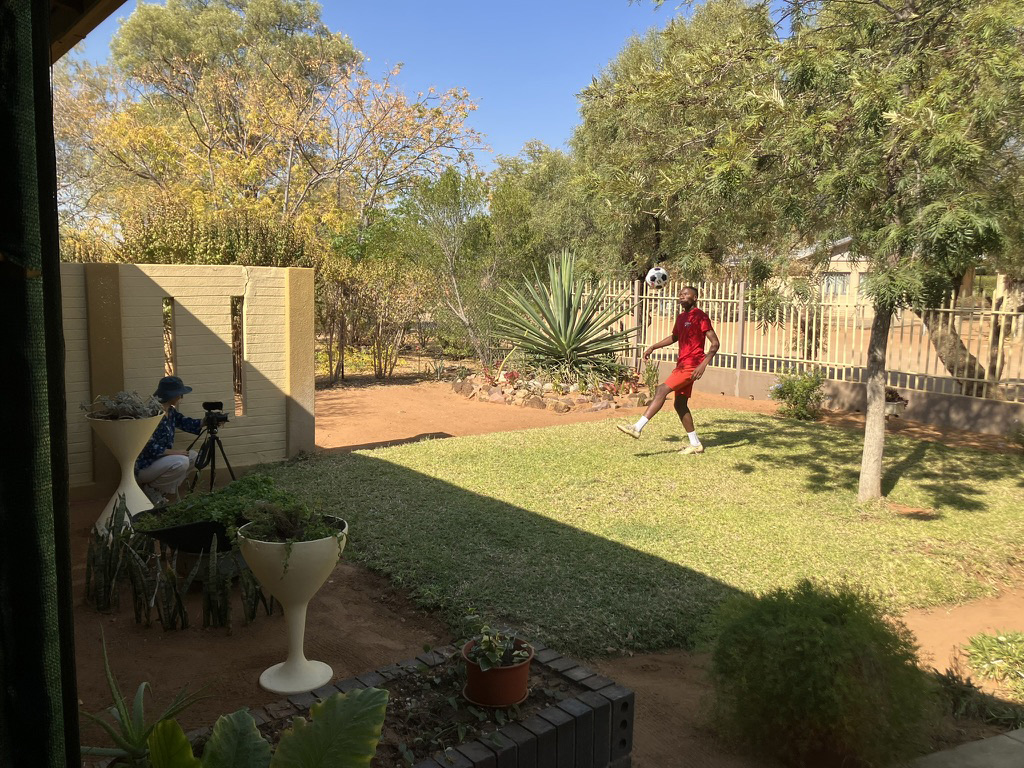
To tackle this deficit, Uugwanga, Thalmayer, and collaborators took a qualitative approach for the new paper. They interviewed 50 Ovambo young adults about their life experiences. After the interviews, the team conducted a reflexive thematic analysis, a form of qualitative analysis that allows the researcher to bring their own background and subjectivity when interpreting the data.
“There were three of us on the paper, and we all really brought ourselves to it,” Thalmayer said. For instance, Uugwanga was able to bring her own experiences as an Ovambo person and psychology researcher to develop and build themes of interest. Thalmayer brought her perspective as someone who has years of expertise researching Namibian cultures, but also as a cultural outsider and as someone who raised stepchildren through young adulthood herself.
A few themes were constructed from the team’s analysis. First, the values of family and community are deeply intertwined in the identity of an emerging Ovambo adult.
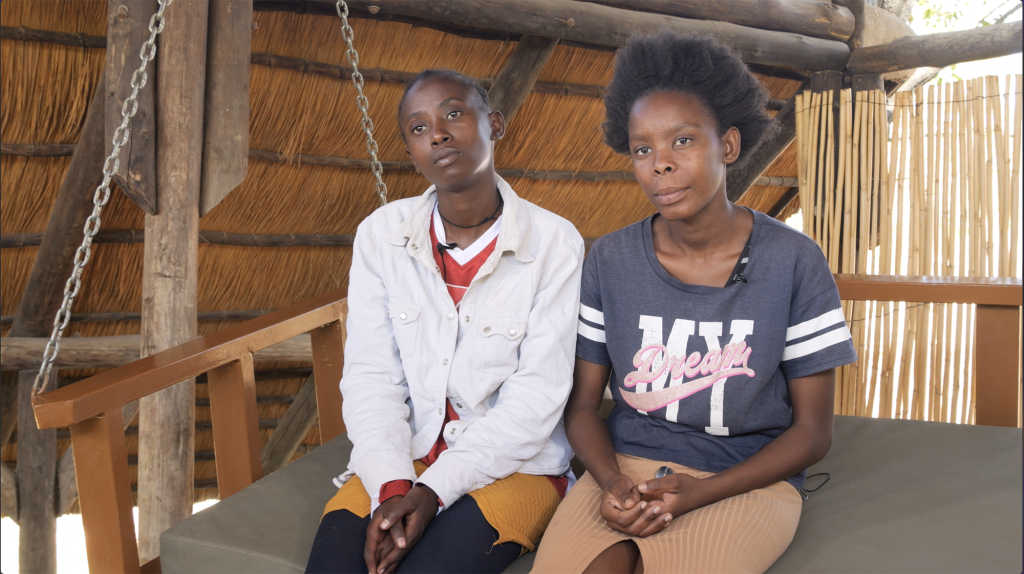
“In many African cultures, we speak about Ubuntu, which means ‘I am, because we are,’” Uugwanga explained. Although Ovambo people do not use the word Ubuntu, those values are still very much present—who you are as a person is who you are within your community.
The self-development pursuits, such as job aspirations, of young Namibians are also driven by this sense of responsibility toward their communities. Although this is often celebrated, it can also lead to tension and pressure as youth navigate their own paths in an increasingly globalized world, Uugwanga said.
The research also found that a person’s gender, and their birth order, had an important influence on their trajectory into adulthood. Traditionally, boys have been raised to become providers, while girls have been socialized to take on household responsibilities and childcare. However, this has been shifting in recent years, with more shared family responsibilities emerging between men and women in Namibia. For birth order, firstborns often take care of their younger siblings, whereas those born last are given more time to grow up and explore, which also has a large influence on paths into adulthood.
Their qualitative approach allowed the researchers to recognize these points of interest as well as biases and limitations in current psychological methods. For example, Thalmayer noted that some basic questions, such as whether a parent perceives a participant as an adult, didn’t account for some family nuances in the Ovambo context. Many Ovambo people are raised by their extended family, such as aunts and grandparents, rather than their own parents, she explained, so they ended up adjusting the term to “caregivers” instead of “parents” as the study went on.
“I think that’s a really great approach to always start with the qualitative when you come to a new context … to really get the things that are not always documented, and then build from there,” Uugwanga said.
Building this understanding could have real-world implications, such as developing interventions that could support sub-Saharan African youth. High unemployment in Namibia has affected this population’s ability to achieve financial independence, support their families, and reach adulthood as expected by this society, said Uugwanga, so research could pinpoint these stressors. Studies like this could also empower youth, validating their experiences and struggles that are typically not represented in psychology.
“This is why qualitative research is so important—to represent these true experiences that can inform our science at the end of the day,” Uugwanga said.
Collaboration and openness were also key for this new research and for expanding the confines of psychological research. “Research in other parts of the world, or in smaller societies, is really possible,” Uugwanga said. “It just really requires a genuine interest in equitable collaboration.”
Feedback on this article? Email [email protected] or login to comment.
Reference
Uugwanga, S. N., Naudé, L., Thalmayer, A. G. (2025). Becoming an Ovambo adult: Growing into agentic communalism in sub-Saharan Africa. Psychological Science, 36(1), 55–65.



.svg)
APS regularly opens certain online articles for discussion on our website. Effective February 2021, you must be a logged-in APS member to post comments. By posting a comment, you agree to our Community Guidelines and the display of your profile information, including your name and affiliation. Any opinions, findings, conclusions, or recommendations present in article comments are those of the writers and do not necessarily reflect the views of APS or the article’s author. For more information, please see our Community Guidelines.
Please login with your APS account to comment.