
Along the Way: APS Lifetime Achievement Awardees Share Their Origin Stories
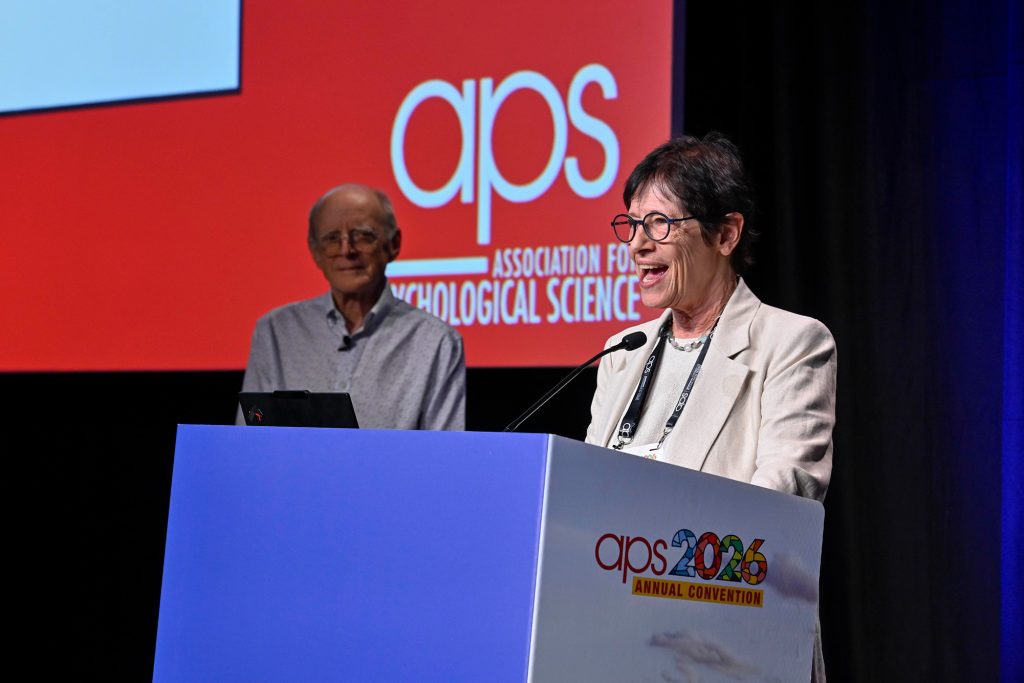
Image above: Kathy Hirsch-Pasek gives her remarks at the 2026 APS Awards Ceremony in Barcelona, Spain.
Lifetime Achievement Award recipients reflected on their careers and shared important lessons they have learned along the way during the Awards Ceremony at the 38th Annual APS Convention in Barcelona, Spain. Below are some of their comments.
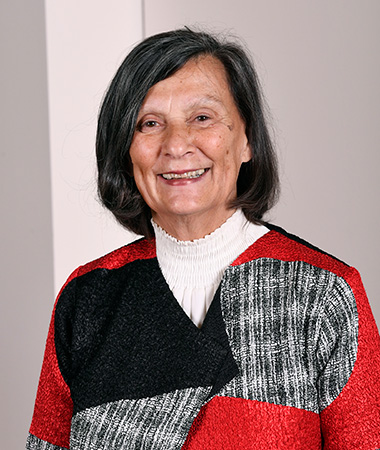
“All along the way, I have studied things that were interesting to me. Sometimes people said, ‘you can’t study that,’ ‘it’s not that important,’ or ‘there’s no way to measure it.’ I have always thought that if it’s interesting enough to get people involved with it, then you should find a way to do it.”
Toni C. Antonucci
University of Michigan
Recipient of the APS James McKeen Cattell Fellow Award
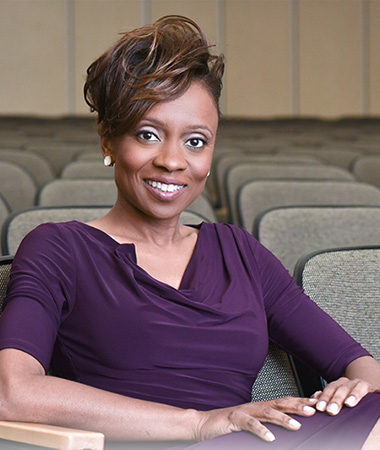
“I have dedicated my career to understanding how bias and inequality shape us and the world around us. That interest was inspired by a move my family made from an all-Black neighborhood to an all-white neighborhood that was affluent on the east side of Cleveland. The neighborhoods were only a bike ride away, yet that move changed my entire trajectory. All of a sudden, I had access to the best schools and greatest opportunities.”
Jennifer L. Eberhardt
Stanford University
Recipient of the APS James S. Jackson Lifetime Award for Transformative Scholarship
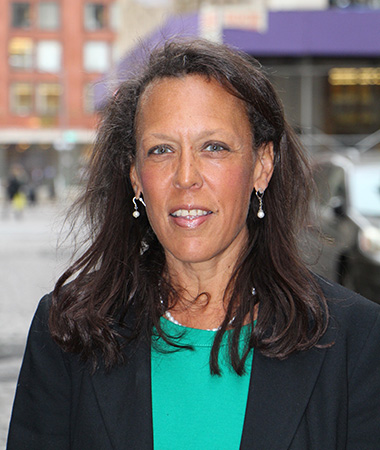
“We know this is a very hard time for us. You might even say extraordinarily hard. Finding funding for our work is a difficult job. I was having this conversation with a young person in our field yesterday. Jobs in our field are scarce. But I want to say: Please keep going.”
Diane L. Hughes
New York University
Recipient of the APS James S. Jackson Lifetime Award for Transformative Scholarship
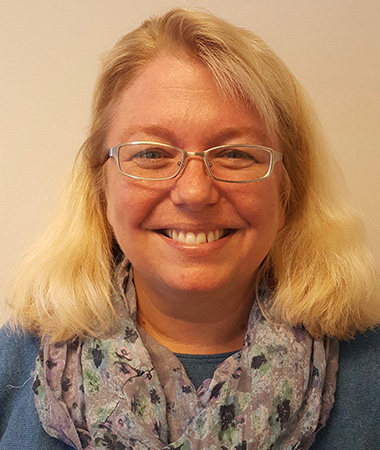
“I was a first-gen college student, and I went to college thinking that I was going to be a peer counselor and go back and be a school psychologist. When I think about the throughline between that and where I am now, I think that throughline is my fascination with the mind and the brain and why people behave the way they behave, and in particular, why is it that some people suffer challenges related to having mental health concerns that disrupts their ability to live the lives that they want to.”
Deanna M. Barch
Washington University in St. Louis
Recipient of the APS William James Fellow Award
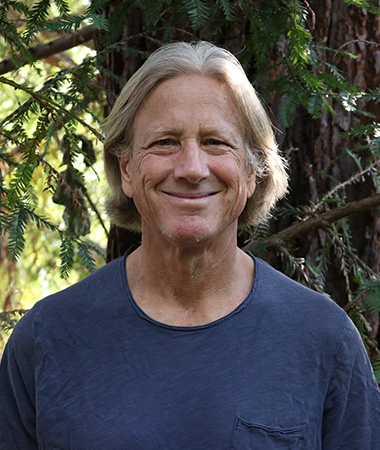
“I am really grateful to psychological science. I think it’s a time of moral ugliness. Lots of racism, white supremacy, authoritarianism rising. Unbelievable to think about it, and I think our science will lead the way and is more relevant than others.”
Dacher Keltner
University of California, Berkeley
Recipient of the APS William James Fellow Award
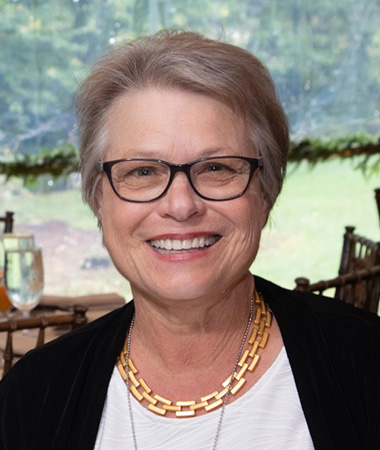
“What I have learned over my career is the importance of being willing to tackle controversial social issues with rigorous theory and methods and an open mind, to listen to and follow my data even if I didn’t always like what it said, and to realize and recognize that even the best of intentions sometimes have not-so-good side effects.”
Brenda N. Major
University of California, Santa Barbara
Recipient of the APS William James Fellow Award
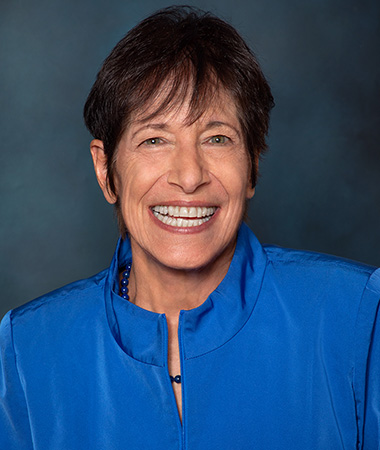
“One of the great privileges of academic life is watching brilliant scholars grow into voices that are entirely their own. If there is one message I have for junior scholars out there, it’s to recognize that our job is never to create a mini-me. It’s to help each student find his or her own voice, their own questions, their own confidence, their own contributions to the field.”
Kathy Hirsch-Pasek
Temple University
Recipient of the APS Mentor Award
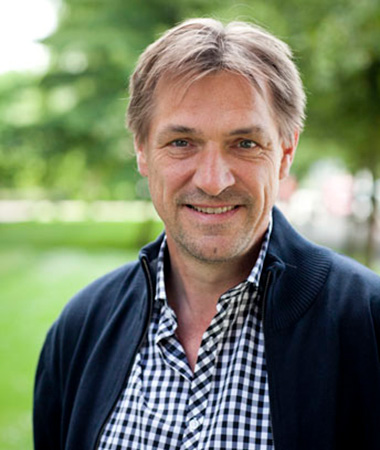
“My students and my junior faculty have taught me how to listen. What is really interesting about discussing research by talking and listening and that process is it has really sharpened my mind as much as it has, hopefully, sharpened their minds.”
Paul A.M. van Lange
Vrije Universiteit Amsterdam
Recipient of the APS Mentor Award
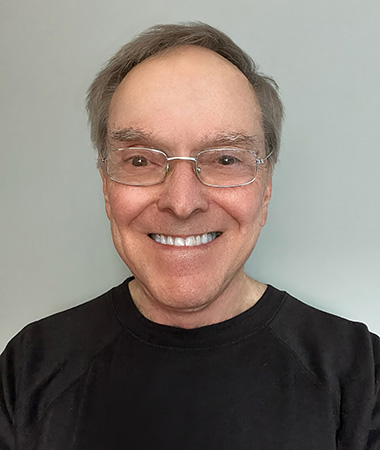
“The key is helping each mentee identify the big question that is most important to them, what they would most like to pursue answers to, at least in the early stages of their career and thus, to shape a sort of professional identity.”
John R. Weisz
Harvard University
Recipient of the APS Mentor Award
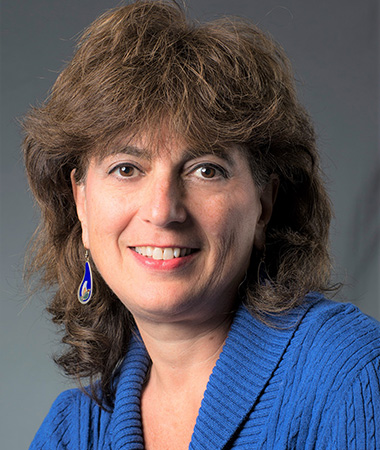
“Mentoring is not a magical power. It shouldn’t be a personal virtue. Our institutions need to be called out, and if you were at my plenary yesterday, you heard me call them out. Because they need to provide us with more training, more support, and, yes, more awards because those are nice incentives, as well.”
Marci Lobel
Stony Brook University
Recipient of the APS Mentor Award
Feedback on this article? Email [email protected] or login to comment.



APS regularly opens certain online articles for discussion on our website. Effective February 2021, you must be a logged-in APS member to post comments. By posting a comment, you agree to our Community Guidelines and the display of your profile information, including your name and affiliation. Any opinions, findings, conclusions, or recommendations present in article comments are those of the writers and do not necessarily reflect the views of APS or the article’s author. For more information, please see our Community Guidelines.
Please login with your APS account to comment.