
-
How to Help Kids Learn to Love Giving
The Huffington Post: During the holidays, opportunities abound to help kids understand why and how to help people in need, with food drives proliferating and countless organizations making pitches for end-of-year donations. And there’s scientific evidence that kids should be receptive to those messages: Research suggests that they have a deeply rooted instinct to share and to help others, from the time they’re very young—one study even found that toddlers enjoy giving to others more than they like getting treats for themselves. Kids, it seems, have a strong, natural drive to be kind and generous. ...
-
The Ideal Mother Vs. The Ideal Worker
NPR: A couple of weeks ago, I participated in a panel discussion about motherhood in academia. Along with other female professors with children, I answered questions from the audience, most of whom were female Ph.D. students thinking about whether and when to have children — and whether academia was the right choice for them. One of the questions — posed with greater eloquence and context — was essentially this: Is it possible to be a good academic and also a good mother? Read the whole story: NPR
-

Children Can ‘Catch’ Social Bias Through Nonverbal Signals Expressed by Adults
Preschool-aged children can learn bias even through nonverbal signals displayed by adults, such as a condescending tone of voice or a disapproving look.
-
New Research From Psychological Science
Read about the latest research published in Psychological Science: On Learning Natural-Science Categories That Violate the Family-Resemblance Principle Robert M. Nosofsky, Craig A. Sanders, Alex Gerdom, Bruce J. Douglas, and Mark A. McDaniel A classical view of psychology suggests that categories are formed based on family resemblance: Members of a category have a group of features in common that are not shared with members of other categories; however, not all categories have been found to adhere to the family-resemblance principle.
-
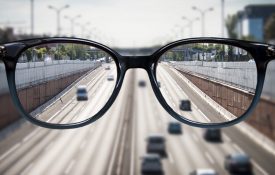
Learning How to Look Leads to Safer Drivers
Fast reflexes, a good sense of direction, and a steady hand all seem important for good driving. But decades of research suggest that another skill is key to avoiding accidents.
-
The Mistakes We Make When Giving to Charity
The Wall Street Journal: All of us think about giving during the holiday season. But it’s possible that we’re thinking about it wrong. That’s the conclusion of recent research, which suggests that our generosity and good intentions are hamstrung by tricks our minds play on us. Most people by their nature are very generous, but they don’t think clearly about the choices they make when they donate to charity. For example, they may donate less than they otherwise would, because they assume that giving will make them less happy than receiving. The fact is that studies show the opposite: When we’re generous and spend on others, we feel happier and more fulfilled.
