


Listen and subscribe on Podbean, Spotify, Apple Podcasts, Amazon Music, or wherever you get your podcasts.
Under the Cortex is going on hiatus and won’t be recording new episodes for the foreseeable future. Explore our archive of 150 episodes filled with scientific insights, stories from editors and researchers, and conversations worth revisiting again and again!
-

How Our Brains Grasp Faces
Podcast: In this episode, cognitive scientists Rebecca Saxe of MIT and Heather Kosakowski join host Scott Sleek to discuss their groundbreaking findings about the development of the brain’s face-processing network.
-
The Cost of Efficiency: Exploring Doubling-Back Aversion
Podcast: Why do we avoid retracing our steps—even when it helps us reach our goals faster? Under the Cortex explores.
-
Time Warped: How Repetition Distorts Our Sense of Duration
Podcast: This guest’s research uncovers a surprising illusion: Repeated experiences, which are more vividly remembered, are often perceived as having occurred further in the past than they did.
-
Two Maps In the Mind: How the Brain Stores What We Know About Others
Podcast: Why does the brain use two different reference systems to encode social knowledge? Under the Cortex explores.
-
Bridging Research and Editorial Vision: A Conversation With Arturo Hernandez
Arturo Hernandez, Professor of Psychology at the University of Houston and editor for Perspectives on Psychological Science, joins Under the Cortex to reflect on the dynamic relationship between scientific discovery and scientific communication.
-
Real-Time Research: How the Experience Sampling Method Is Changing Psychology
Podcast: New research outlines ten key design and implementation considerations for ESM studies, helping researchers apply this method with clarity, rigor, and real-world relevance.
-
Why Do Emotions Hijack Our Decisions? The Neuroscience of Impulsivity
Podcast: Why do some people struggle to control their actions when emotions run high? What happens in the brain when impulsive decisions take over? Why do some brains lose control under high arousal, while others stay composed? Under the Cortex explores.
-
Beyond Words: Why TalkBank is Crucial for Spoken Language Research
Podcast: Most linguistic datasets focus on written text, but what about the way we actually speak? TalkBank, the world’s largest open-access repository of spoken language, is helping researchers understand everything from child development to dementia, bilingualism, and even classroom learning.
-
Ensuring Research Validity: A Checklist for Stronger Science
Scientific credibility depends on valid research. But with growing concerns about replication failures and questionable research practices, how can scientists ensure their findings stand up to scrutiny? Under the Cortex explores.
-
Young Minds, Smart Strategies: How Children Decide When to Use External Memory Aids
Podcast: Do young children prefer to rely on their memory, or do they take the easier route and use external aids like lists and reminders? Under the Cortex explores.
-
Understanding Addiction: A General Liability or Unique Disorder?
Podcast: Is there a single explanation that accounts for all addictive behaviors, or is the reality more complex? Under the Cortex explores.
-
Addressing Selection Bias in Disparities Research
Podcast: This episode explores how non-representative samples can influence study conclusions and highlights solutions for strengthening study validity.
-
Beyond Focus: How Attention Shapes Learning Differently for Children and Adults
Podcast: This episode explores whether children’s weaker selective attention is a hidden strength by addressing findings on attention, memory, and childhood learning.
-
Dosage Dilemma: Unpacking Meditation App Science
Podcast: In this episode, host Özge Gürcanlı Fischer Baum teams up with Simon Goldberg from the University of Wisconsin to explore a critical question: “How does the “dosage” of meditation app use impact mental health outcomes?
-
The Hidden Cost of Caregiving: Stress, Anxiety, and Coping Mechanisms
Podcast: Under the Cortex features Michael Kramer from the University of Zurich to discuss how, as individuals step up to provide care for loved ones in need, they face their own mental health challenges.
-
2024 in Review: 10 Most Popular Articles from APS Journals
Podcast: How do the five love languages hold up to empirical research? How does gender equality vary by country globally? Tune in to hear highlights from last year’s most popular research.
-
Building Bridges: Exploring Cooperation in Children
Podcast: In this episode, we speak with Patricia Kanngiesser from the University of Plymouth about how children learn to navigate teamwork.
-
Heart Rates and Step Counts: A Novel Approach to Eating Disorder Care
Podcast: In this episode, Under the Cortex explores how commonly used technology, such as heart rate monitors and step counters, can be used to understand binge-eating episodes.
-
Midlife-Onset Alcohol Dependence: Causes and Consequences
Podcast: What drives the onset of alcohol dependence in midlife? How does it present unique challenges, and what strategies can help when it disrupts the lives of individuals and their families? Under the Cortex explores.
-
Too Many Connections? How Aging Impacts Memory and Recall
How does the brain’s memory function change as we grow older? What recent discoveries are helping us understand these changes better? In this episode of Under the Cortex, Özge Gürcanlı Fischer Baum welcomes Karen Campbell of Brock
-
Green Actions, Brighter Lives: Enhancing Well-Being Through Environmental Action
Podcast: Can environmentally friendly actions boost personal well-being? Tune in to discover how a sustainable lifestyle offers profound benefits.
-
A New Approach to Understanding Psychopathology: Insights from the HiTOP Model
Podcast: APS’s Özge Gürcanlı Fischer Baum and Miri Forbes of Macquarie University address how traditional models like the DSM categorize mental health disorders and explore Forbes’ recent study, which highlights the more nuanced and dimensional approach that the emerging HiTOP offers.
-
Navigating Divisive Conversations: Why We Underestimate the Benefits
Podcast: Under the Cortex hosts Kristina Wald to discuss the benefits of talking about divisive topics, even when speaking with those who disagree, and how we can better approach polarized discussions.
-
Friendship and Diversity: A Path to Stronger Communities?
Podcast: Why do we gravitate towards friends who share our background and identity? How does this affect our sense of community and well-being? Under the Cortex explores.
-
What Type of Templates Do We Use for Visual Processing? Caricatures Might Be the Answer
Podcast: This episode’s conversation reviews how our visual system uses templates and exaggerates the basic features of objects in memory.
-
The Integrity of Psychological Research: Uncovering Statistical Reporting Inconsistencies
Podcast: In this episode, APS’s Özge Gürcanlı Fischer Baum speaks with Michele Nuijten from Tilburg University to examine how overlooked errors in statistical reporting can undermine the credibility of research findings.
-
The Benefits of Everyday Math for Kids
Podcast: APS’s Özge Gürcanlı Fischer Baum chats with Melissa Libertus from University of Pittsburgh about her new article about interventions to increase math learning in children.
-
Racial Disparities in Drug Intervention: Culturally Inclusive Approaches
Podcast: APS’s Özge Gürcanlı Fischer Baum and guests examine evidence-based drug treatment studies, highlighting racial disparities in treatment effectiveness and much more.
-
When Versus Whether: Gender Differences in Leadership
Podcast: In contemporary society, there is a significant rise in the number of women assuming leadership positions compared to past generations. Nevertheless, this raises the question: Do these growing numbers equate to equal access to opportunities? Under the Cortex explores.
-
Tools to Bolster Executive Function Skills in Kids
Podcast: This episode features two researchers who review the ways executive functioning skills are used throughout daily life, the process the researchers used to involve their community, and their intervention’s success.
-
Navigating Regret in Decision-Making
Podcast: Human reasoning is not flawless. In this episode, Under the Cortex examines how human reasoning can be contextual, as well as the biases that people have in decision making.
-
Is Everyone Out to Get Me? Paranoia in Social Interactions
Podcast: In this episode, Under the Cortex hosts three researchers to discuss paranoia, proposed improvements for clinically testing the social impacts of paranoia, and much more.
-
Allergies or Sickness? Unraveling the Mystery of Concealing Infectious Diseases
Podcast: In this episode, Under the Cortex hosts Wilson Merrell to discuss disease concealment and the factors that contribute to it.
-
Desire Dynamics: Navigating Intimacy and Attraction in Relationships
Podcast: Psychological scientist Amy Muise joins Özge G. Fischer Baum in discussing how to maintain desire and interest in romantic relationships.
-
Shaping Kinder Kids Through Parental Example
Podcast: When kids witness their parents engaging in warm and positive interactions, it could have a positive effect on the children themselves. Hear from Brian Don, who discusses his new theory on the topic, what it could mean for future research, and much more.
-
Parental Engagement Enhances Children’s Therapy Experience and Outcomes
Podcast: What methods effectively alleviate children’s anxiety? How do parents influence the treatment process? Can parents positively affect the treatment outcomes? Under the Cortex explores.
-

Twisted Tales: Unraveling the Surprising Benefits of Irony
Podcast: APS’s Özge Gürcanlı Fischer Baum and Penny Pexman (Western University) discuss cognitive flexibility and emotion recognition, two crucial aspects underlying the processing of sarcastic speech.
-

What Comes Next? The Joy of Anticipating Melodies
Podcast: In this episode of Under the Cortex, APS’s Özge Gürcanlı Fischer Baum hosts music researchers who delve into the rewarding experience of accurately predicting tunes.
-

Couples Who Laugh Together, Stay Together
Podcast: In this episode, psychological scientists Norman Li and Kenneth Tan illuminate how the mutual creation and enjoyment of humor serves as crucial markers of relationship well-being.
-

Community Engagement in Psychological Research
Podcast: As experts in the field, Patricia Rodriguez Espinosa and Luz Garcini share their ideas and best practices about how to center community voices in psychological research.
-
Information Avoidance in the Modern Age
Podast: Özge G. Fischer-Baum and Jeremy Foust (Kent State University) dive into information avoidance and the factors that impact it, as well as how social media has affected the ways we take in information.
-
Linking Developmental Delays and Parenting Strategies With Inclusivity in Mind
Podcast: How do parents adjust their behavior in the context of neurodiversity? Alexandra Sullivan (University of California, San Francisco) and APS’s Özge G. Fischer-Baum discuss parenting strategies with an inclusive approach.
-

Is Our Early Attachment Our Destiny? Finding the Link Between Attachment Patterns and Personality Disorders
Podcast: Attachment is a recent popular topic that has entered the public eye, but psychological researchers have been investigating attachment patterns for decades. What is the relationship between early attachment personality disorders? Is there an overlap? Under the Cortex explores.
-

Guilty as Charged: How We Contribute to Polarizing Content on Social Media
Podcast: Steven Rathje (New York University) and APS’s Özge G. Fischer-Baum explore the implications for societal change, in-group and out-group behavior, and emotional choices on internet usage.
-

Getting Your Research Published: Insights on Academic Publishing with Simine Vazire
Podcast: Simine Vazire, the incoming Editor-in-Chief of APS’s journal Psychological Science, joins Özge Gürcanlı Fischer Baum to discuss her plans to further advance the practices of inclusivity in APS’s flagship journal.
-

Do Risky Drinkers Think Differently? Insights From Cognitive Experiments
Podcast: Under the Cortex hosts Elizabeth Goldfarb (Yale University) to explore the cognitive profile of risky drinkers, as well as possible interventions for those struggling with alcohol use.
-
Do Lockdown Drills Create Anxiety? New Research Says No
Podcast: Dr. Amanda Nickerson joins Under the Cortex to explore the developmental pathways and risk factors for being exposed to gun-related violence.
-

Cautionary Notes: The Science of Trigger Warnings
Podcast: Are trigger warnings helpful for learning outcomes? Do they shape listeners’ expectations, or do they cause discomfort? APS’s Özge G. Fischer-Baum explores with Dr. Victoria Bridgland of Flinders University.
-

Feeling Young at Heart Comes With Well-Being Benefits
Podcast: Markus Wettstein of Humboldt University of Berlin joins this episode to discuss subjective age and its implications for health benefits, general well-being, and possible cross-cultural differences.
-

The Tale of Two Cities: Water Access Influences Human Decision Making
Podcast: Does our geographical location shape our thinking? Does water access have an effect on our decision-making habits? Under the Cortex hosts Dr. Hamid Harati and Thomas Talhelm, who explore how our ecological environment can shape our decision-making skills.
-

Loneliness Across the Globe: A Life-Span Approach
Podcast: Under the Cortex hosts Samia Akther Khan, King’s College London, whose research examines the feeling of loneliness across lifespan.
-
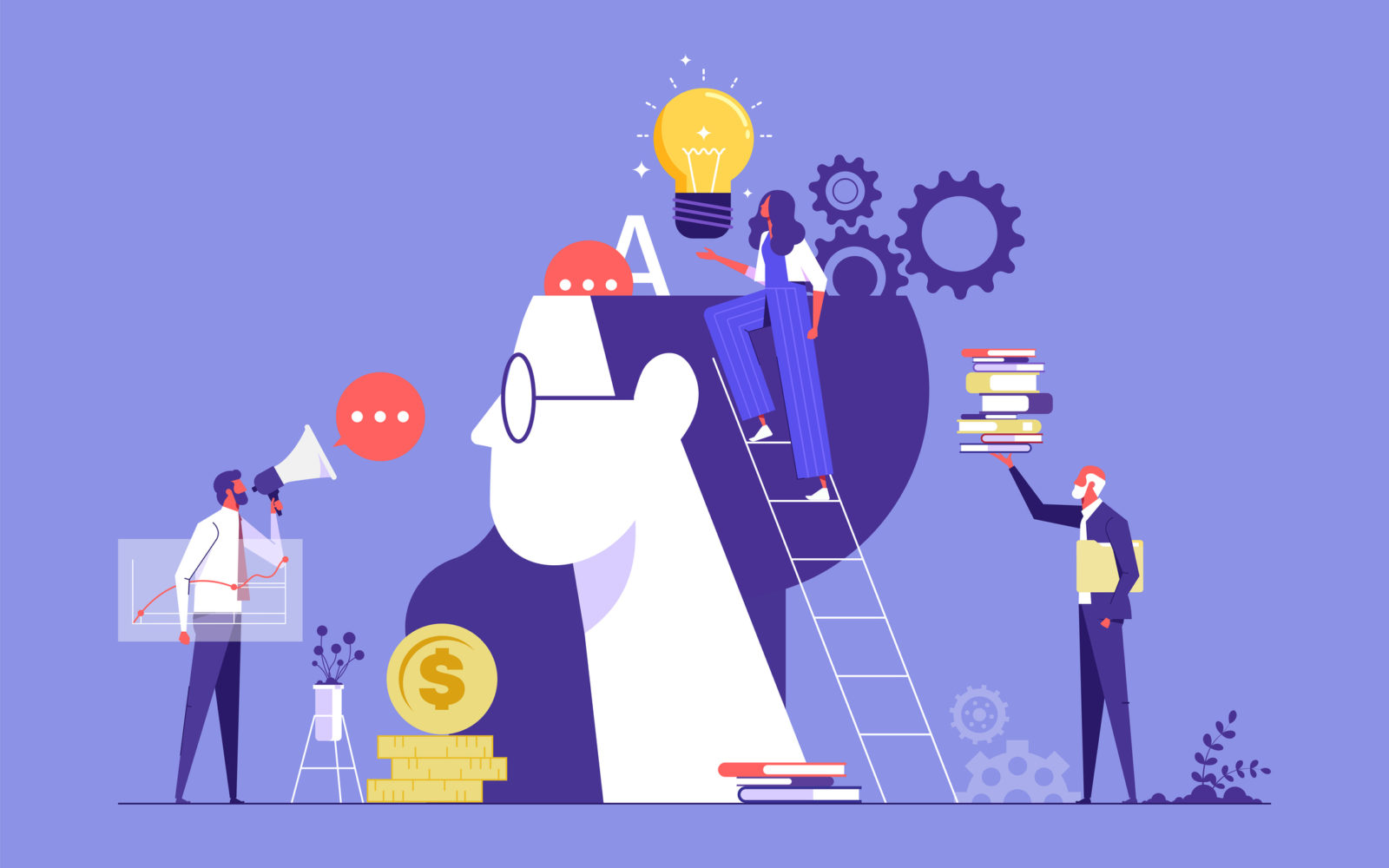
Wendy Wood: It’s Time We Trained Students for Diverse Careers in Psychological Science
Podcast: Only about half of psychology PhDs are hired in academia, but psychology graduate training in the United States has largely retained the classic graduate training model of a direct path to an academic job. It’s time to change that, says Wendy Wood.
-
Best Of: The Myers-Briggs Test, the Grieving Brain, Common Myths, More
Podcast: Excerpts from our first 100 episodes: a skeptical look at the Myers-Briggs test, what happens in the grieving brain, common myths of psychological science, and more.
-

Understanding Childhood Adversity Across Time and Cultures
Podcast: Children have faced threats and deprivation at varied levels across time, favoring the ability to tailor development to different conditions. Researchers Willem Frankenhuis and Dorsa Amir discuss their findings.
-
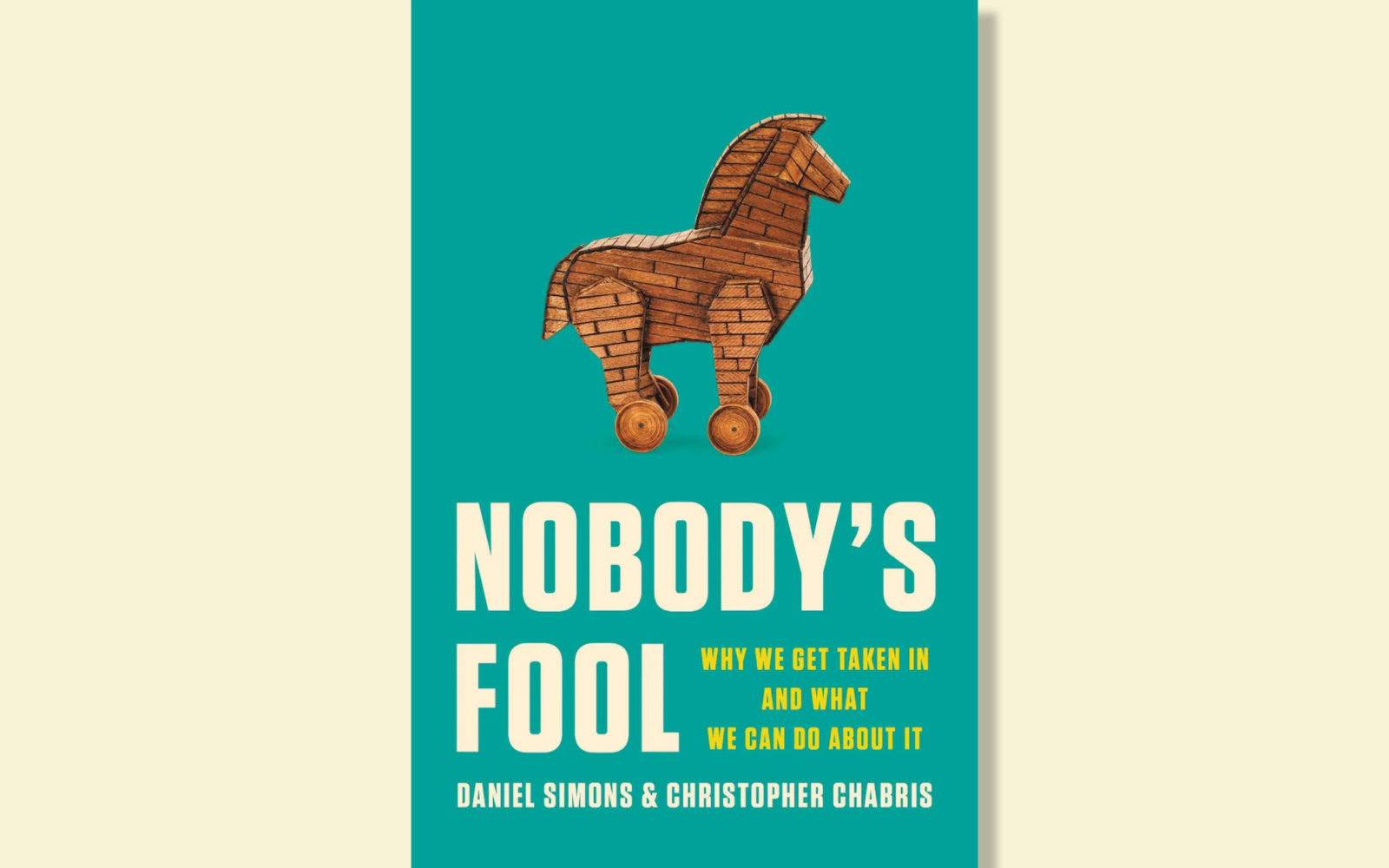
Nobody’s Fool: How to Avoid Getting Taken In
Podcast: How can our habits of thinking make us vulnerable to deception? How can we spot deception before it’s too late? Daniel Simons and Christopher Chabris answer these questions and more, drawing from their new book: Nobody’s Fool: Why We Get Taken In and What We Can Do About It.
-
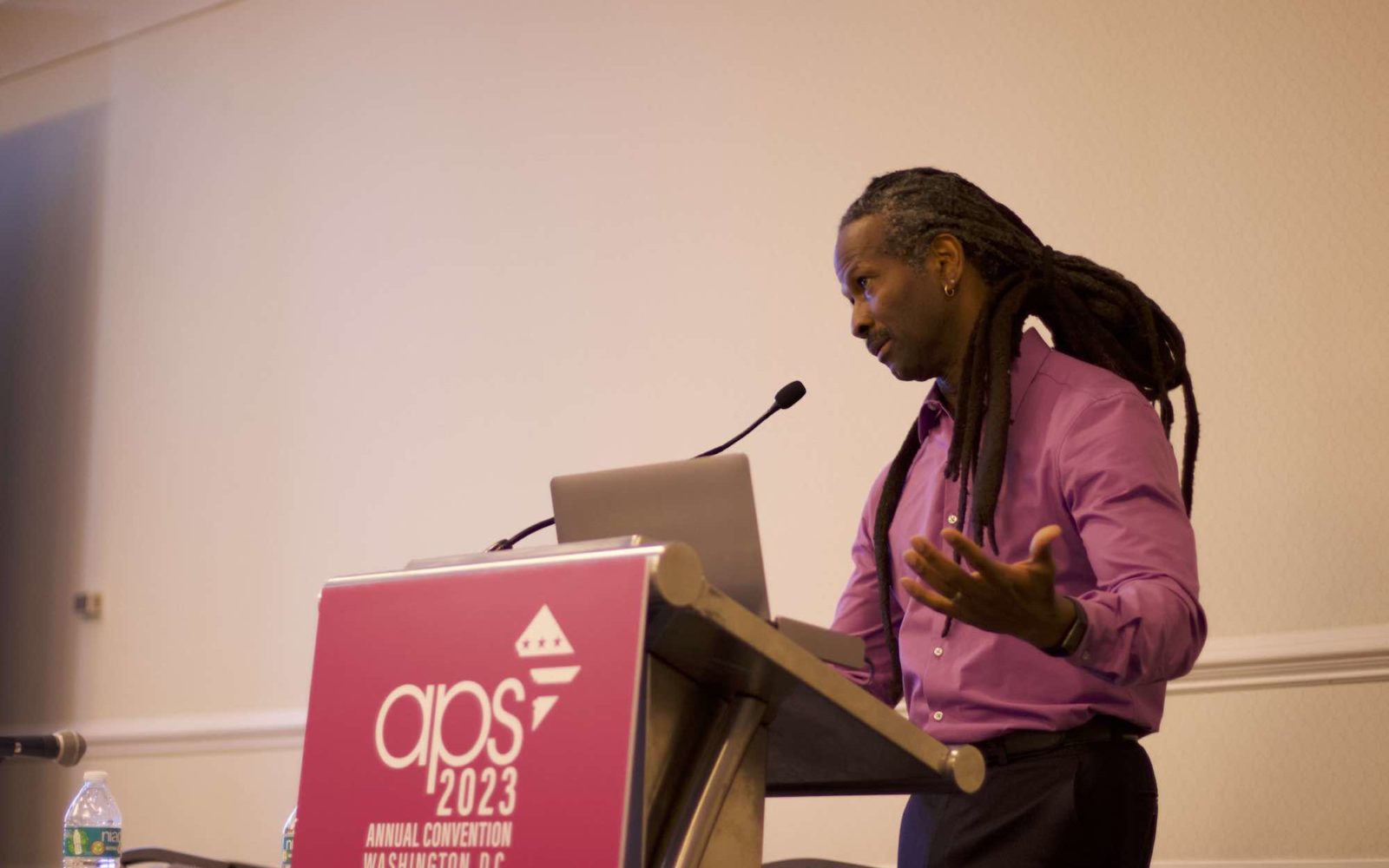
Carl Hart on Clinicians’ Bias Toward Drug Use
Podcast featuring Carl Hart, a neuroscientist at Columbia University who has studied the behavioral and neuropharmacological effects of psychoactive drugs in humans. His lab attempts to understand factors that mediate drug use, to develop effective treatments, and to translate that knowledge into more humane drug policies.
-
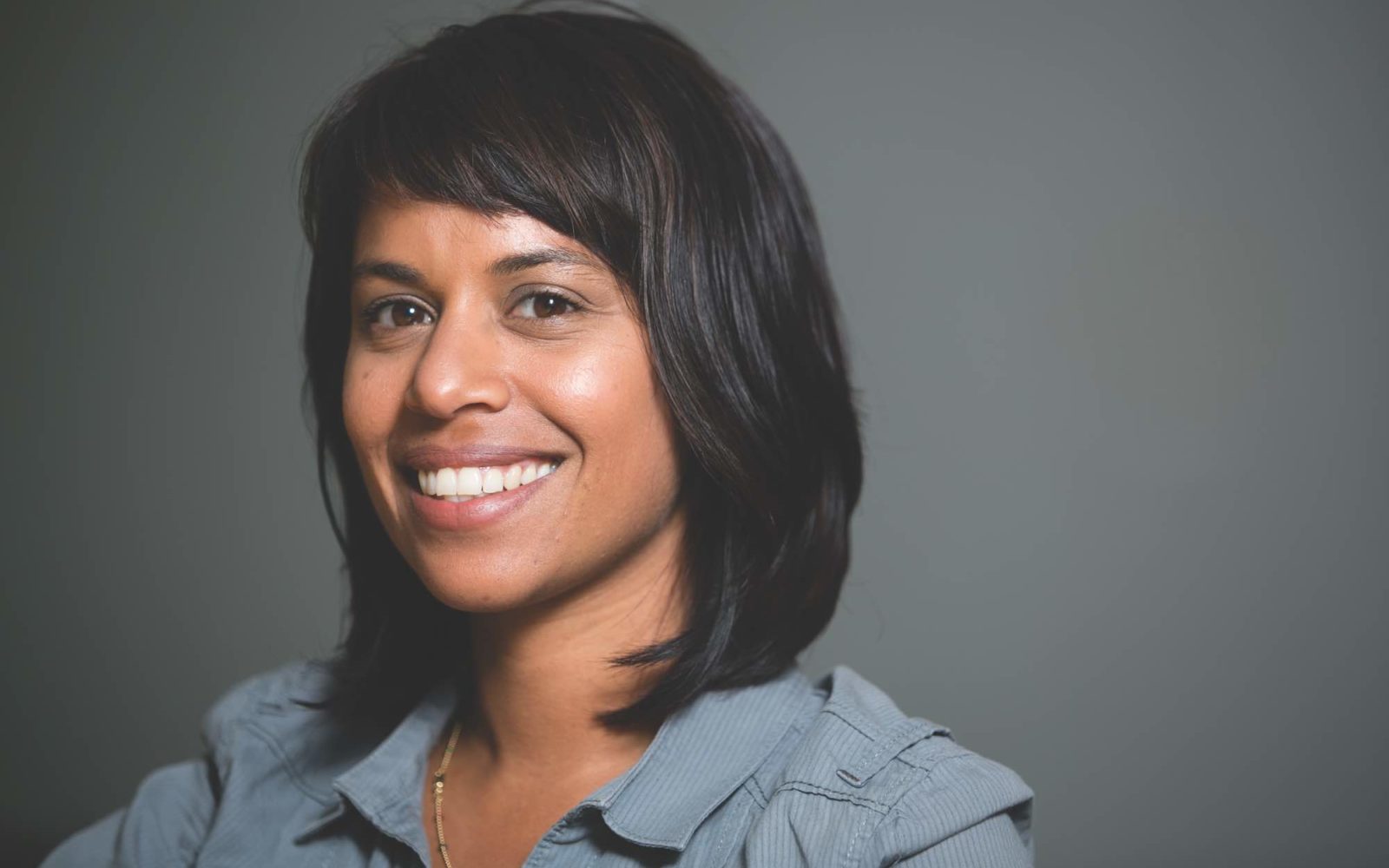
Bringing Contexts In, Taking Racism Out: How to Improve Cognitive Psychology
Podcast: How can researchers reshape cognitive psychology to become more aware of the roles of culture and context? Ayanna Thomas joins APS’s Ludmila Nunes to discuss scientific racism in cognitive psychology.
-

Endless Love: You’ve Got Ideas About Consensual Nonmonogamy. They’re Probably Wrong
Podcast: In this episode of Under the Cortex, Amy C. Moors joins APS’s Ludmila Nunes and demystifies common misconceptions about consensually nonmonogamous relationships.
-

Psychology’s Role in the Criminalization of Blackness
Podcast: Evan Auguste and Steven Kasparek examine how psychology has contributed to anti-Blackness within psychological research, criminal justice, and mental health, and what scientists and practitioners can do to interrupt the criminalization of Blackness and redefine psychology’s relationship with justice.
-
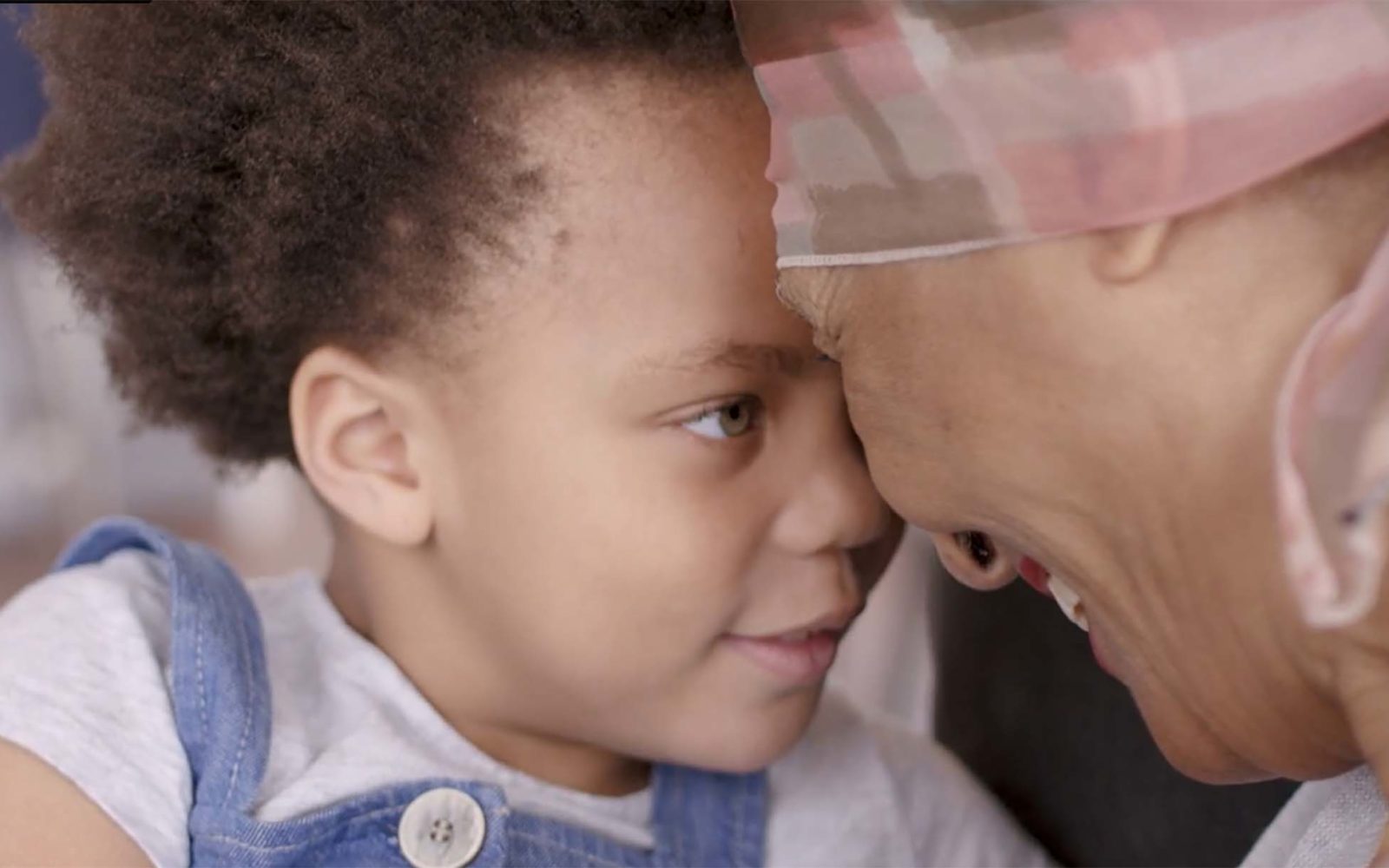
Silver Linings in the Demographic Revolution
Podcast: In her final column as APS President, Alison Gopnik makes the case for more effectively and creatively caring for vulnerable humans at either end of life.
-
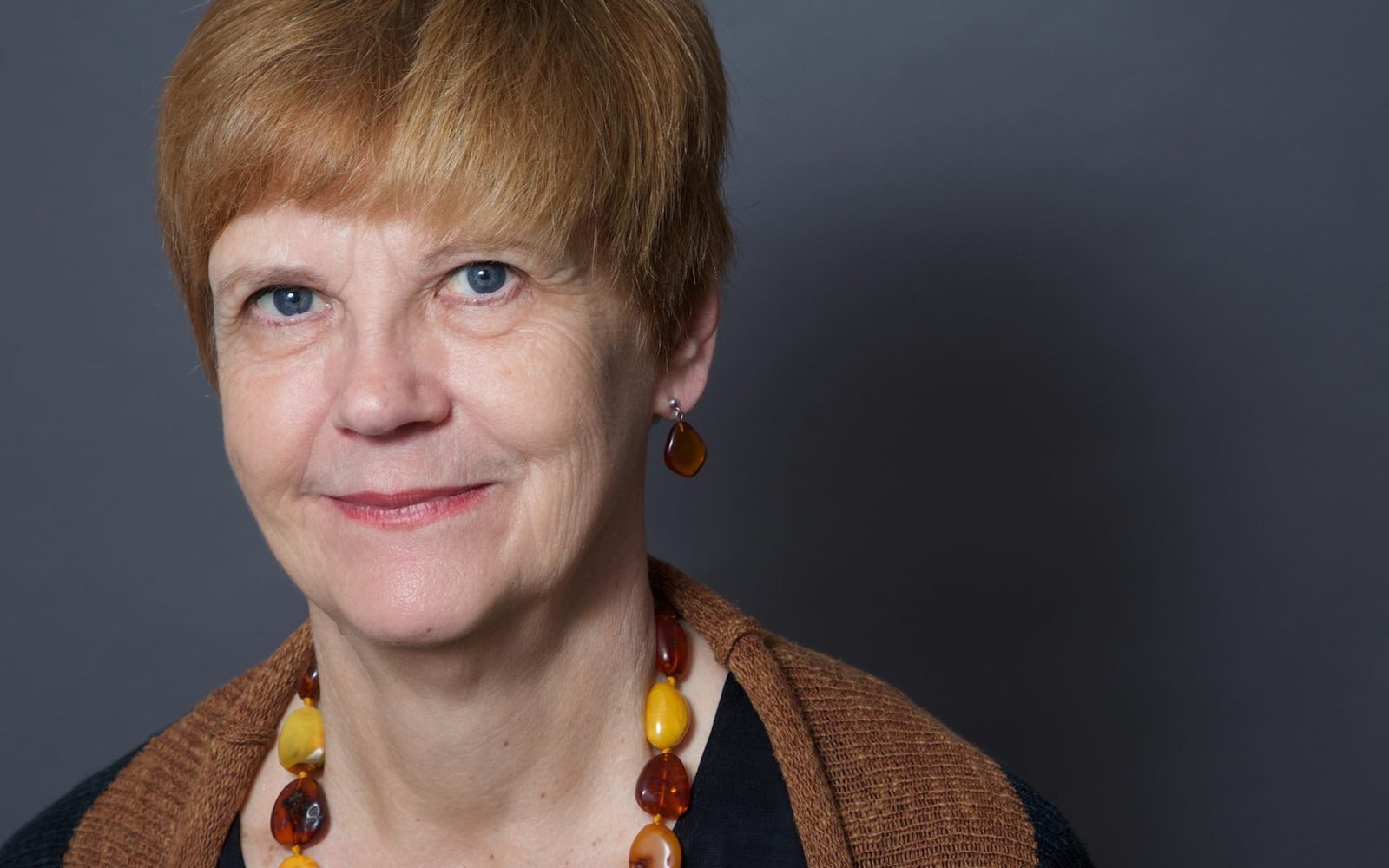
Industrialized Cheating in Academic Publishing: How to Fight “Paper Mills”
Podcast: Dorothy Bishop talks with APS’s Ludmila Nunes about the metascience of fraud detection, industrial-scale fraud and why it is urgent to tackle the fake-article factories known as “paper mills.”
-

Exploration vs. Exploitation: Adults Are Learning (Once Again) From Children
Podcast: Why should kids have all the fun? Alison Gopnik on how science and business, too, can resolve the tension between the lure of the crazy new thing and the safe haven of the tried and true.
-

Lived Experiences Can Be a Strength. So Why the Bias Against “Me-Search”?
Podcast: Questions often emerge when researchers tend to engage in research on topics that are personally relevant for them. How is this type of self-relevant researchperceived? Researcher Andrew Devendorf discusses.
-
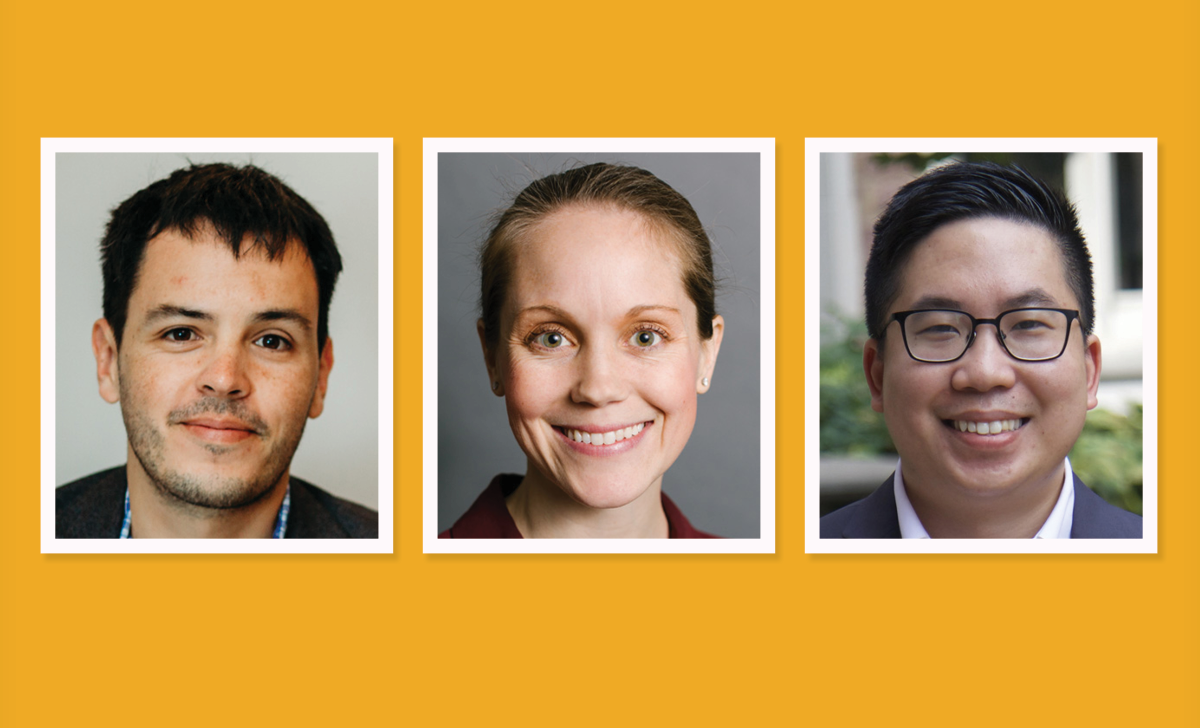
Special Episode II: APS 2023 Spence Awardees on Sharing Minds, the Development of Learning, and Implicit Bias
Julian Jara-Ettinger, Emily Fyfe, and Calvin Lai discuss reading and sharing minds, the development of learning and its practical applications, and the importance of studying the gap between what people value and what people do.
-
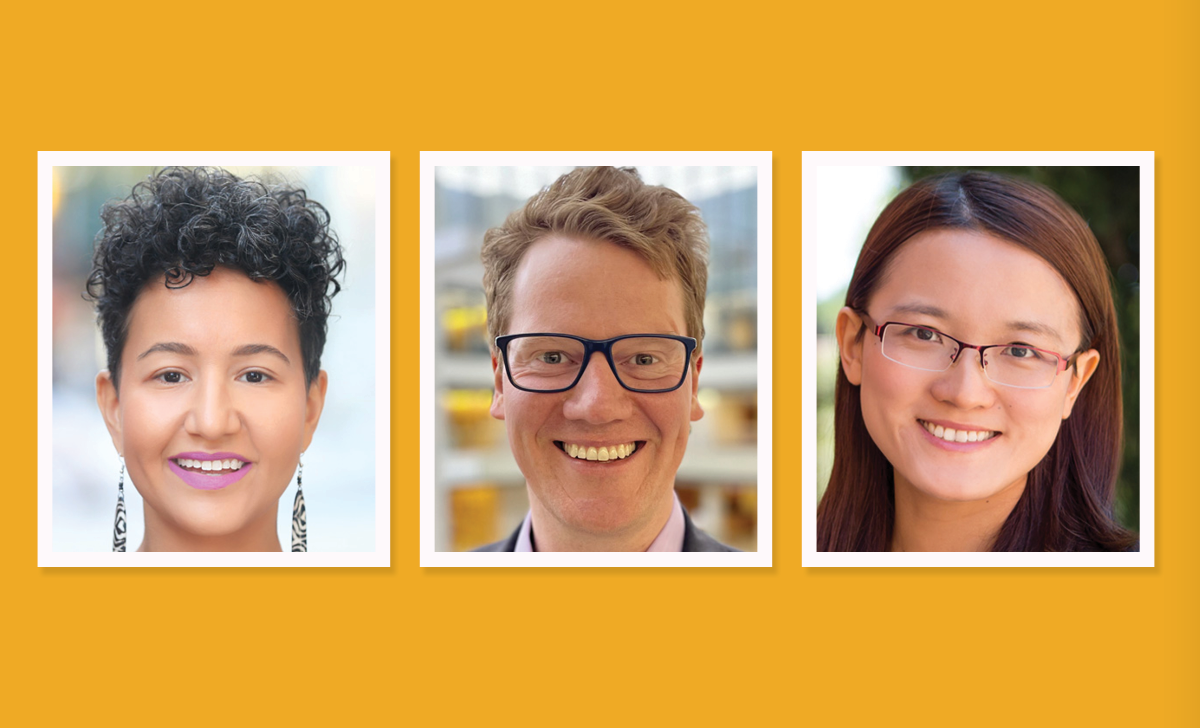
Special Episode I: APS 2023 Spence Awardees on Fresh Starts, Time Perception, and the Well-being of Black Families
Riana Elyse Anderson, Ed O’Brien, and Hengchen Dai discuss how to study and improve the well-being and functioning of Black families, the importance of time in how people perceive progress, and how fresh starts can feel motivating.
-

Is Cheating Just a Symptom (and Not the Cause) of Declining Relationships?
Podcast: Researchers found that relationship functioning starts to decline before infidelity happens. The lead author of this study, Olga Stavrova, explains these findings
-

Stop Oversimplifying Mental Health Diagnoses
Podcast: Diagnoses often oversimplify complex mental health problems. APS Fellow Eiko Fried, a psychologist and methodologist at Leiden University, explains new approaches to mental health research and practice.
-

Top 10 Articles of 2022: Opinionated Fetuses! Cheating Spouses! And Much More
Podcast: Do fetuses care what their mothers eat? When do spouses cheat? Some of the top articles published in the APS journals in 2022 explored these questions and much more.
-
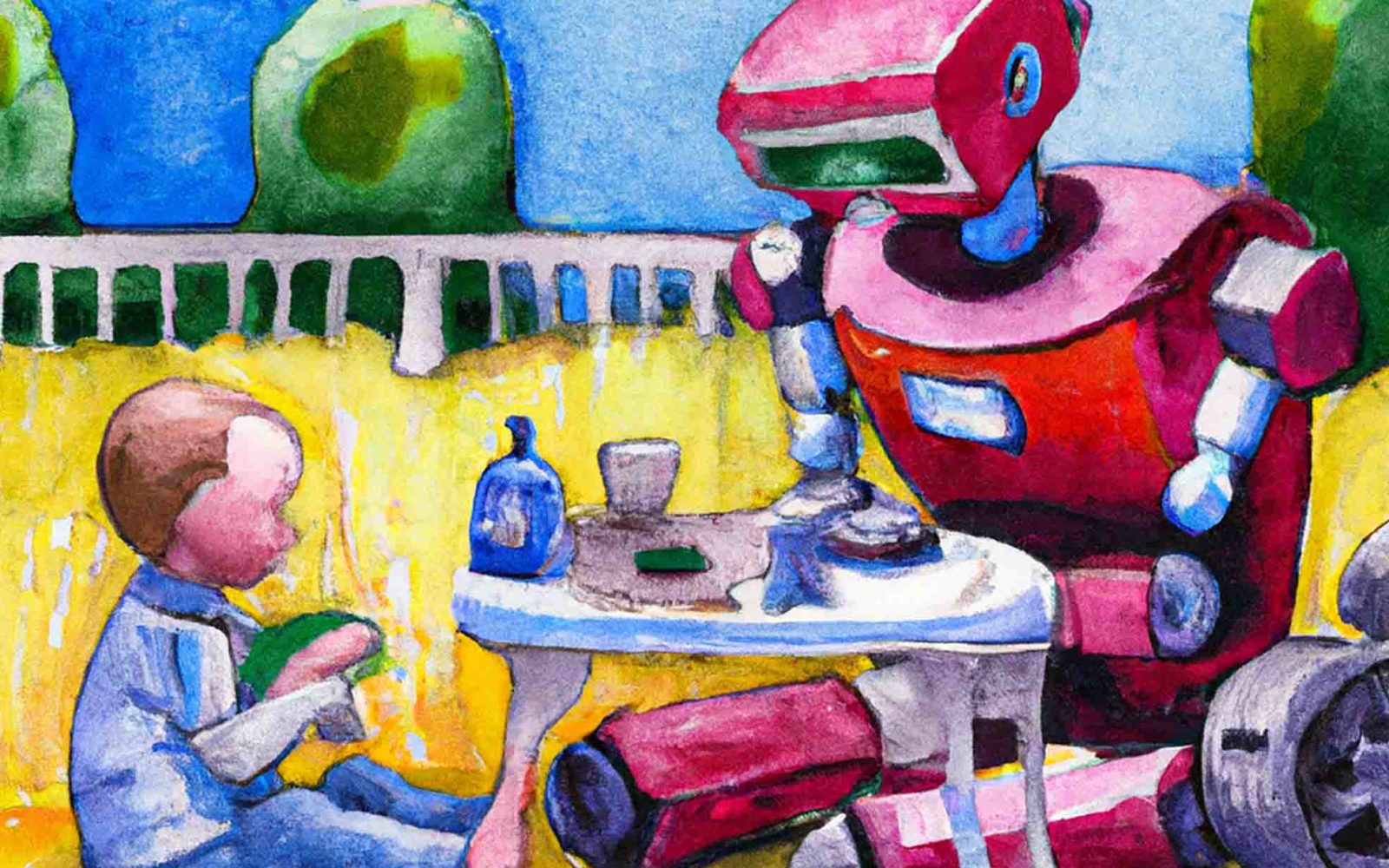
A Very Human Answer to One of AI’s Deepest Dilemmas
Imagine that we designed a fully intelligent, autonomous robot that acted on the world to accomplish its goals. How could we make sure that it would want the same things we do? Alison Gopnik explores. Read or listen!
-

What You Know Changes What and How You See
Can what we know about an object change the way we see it? Dick Dubbelde speaks about how quickly and how well we process different objects.
-
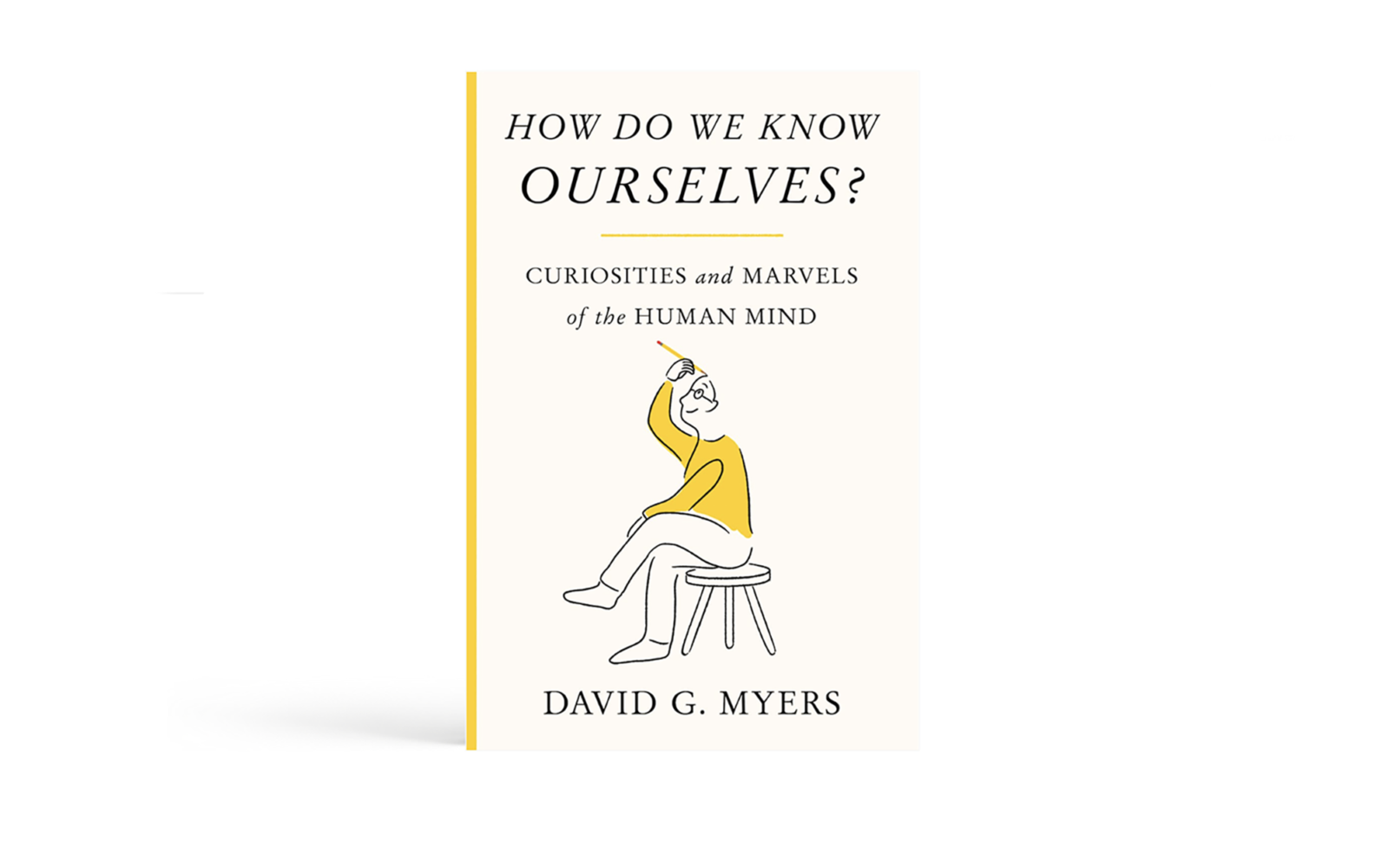
Failure and Flourishing. Part 3 of 3 With David Myers
In the final discussion with social psychologist David Myers, APS’s Ludmila Nunes talks with him about the third section of his book, in which he applies his psychological insights to the larger world around us.
-
Why Is Everyone Else Having More Fun? Part 2 of 3 With David Myers
Social psychologist David Myers joined Under the Cortex to speak about his new book and why we tend to think that everyone else is having more fun than us.
-
How Do We Know Ourselves? Part 1 of 3 With David Myers
Social psychologist David Myers joined APS’s Ludmila Nunes to speak about his career, his new book, and how we really do know ourselves.
-

Children, Creativity, and the Real Key to Intelligence
APS President Alison Gopnik writes that the contrast between the reasoning of creative 4-year-olds and predictable artificial intelligence may be a key to understanding how human intelligence works.
-
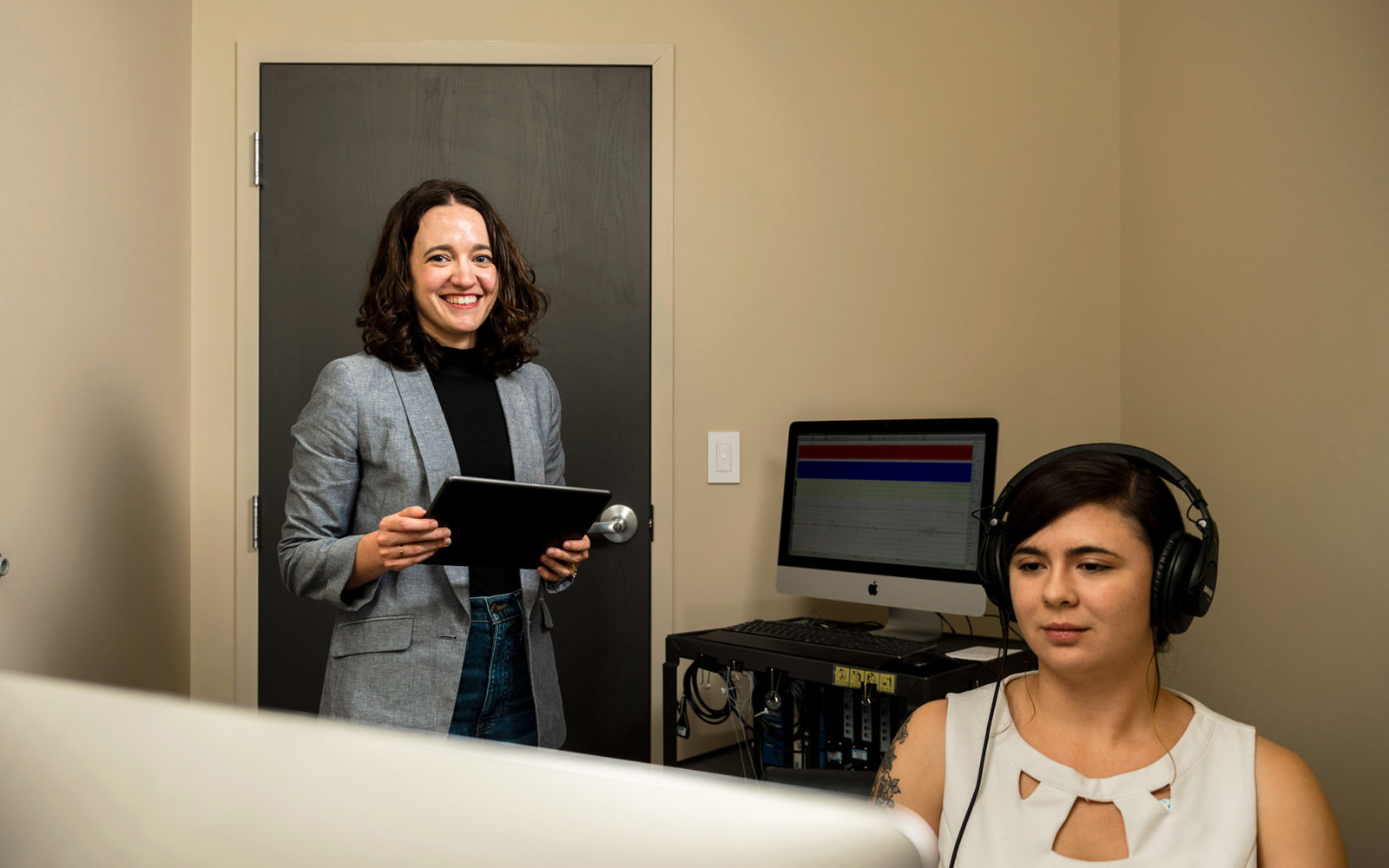
What Music Does to Us
Amy Belfi from the Missouri University of Science and Technology joined APS’s Ludmila Nunes to speak about her career as a neuroscientist studying music perception and cognition as well as how poetry and other forms of art can impact the brain and behavior.
-

Exploration and Risk-Taking: Hallmarks of Adolescence That Increase Well-Being
The role of exploration and risk taking in sustaining adolescent well-being and establishing social connectivity is the topic of a recent article published in Psychological Science. In this podcast, you’ll hear from the two authors: Natalie Saragosa-Harris and Catherine Hartley.
-
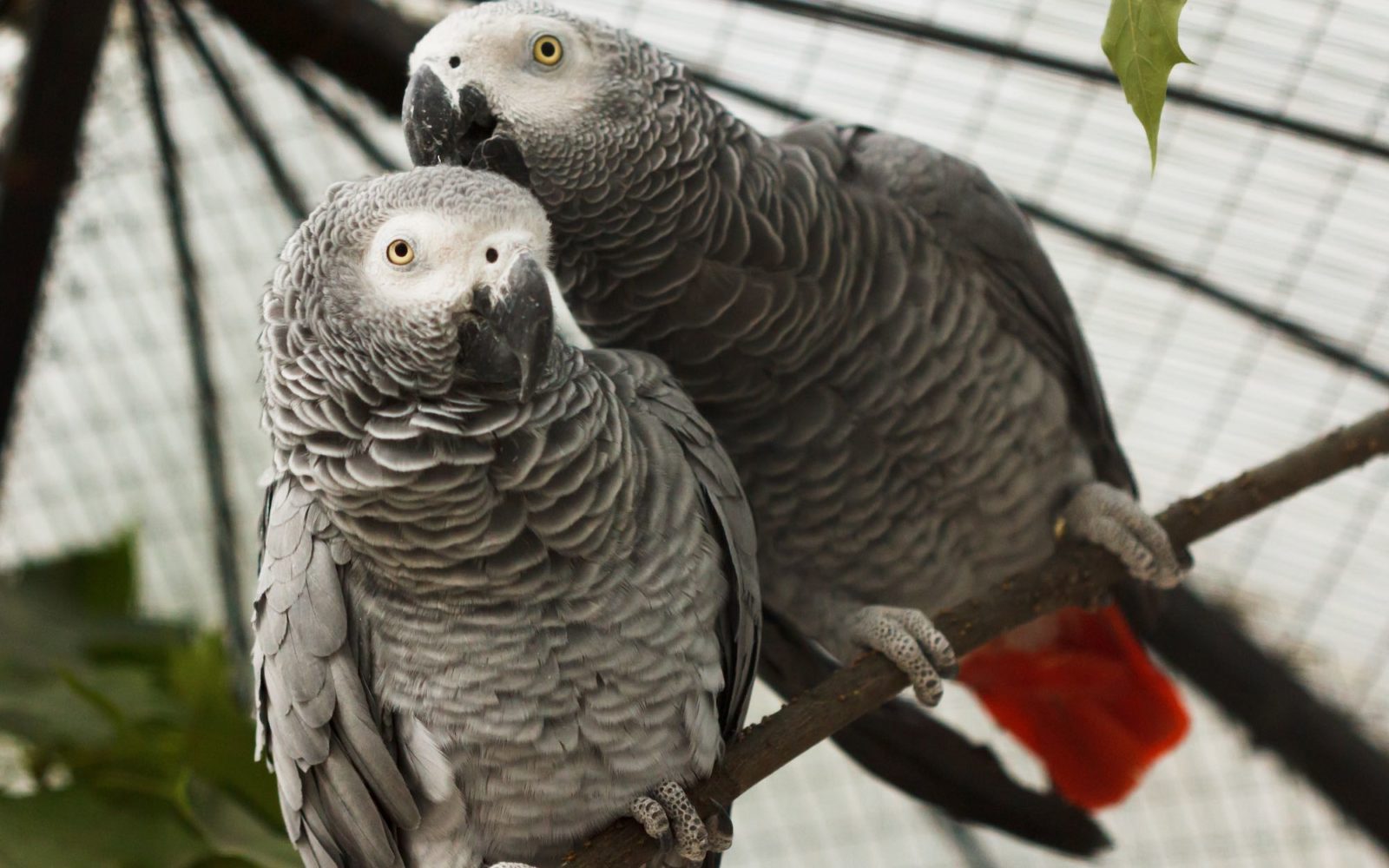
Talking With Birds: The Fascinating World of Avian Intelligence
Irene Pepperberg pioneered the study of bird cognition back in the 70s and still studies the cognitive and communicative abilities of grey parrots. In this conversation with APS’s Ludmila Nunes, she speaks about research on parrots’ cognitive abilities, their conservation and preservation in the wild, and much more.
-

The September Collection: New Technology Can Be Scary, Why to Stop Worrying and Love the Eco-Apocalypse, and Much More
In this episode, cognitive psychologist Ludmila Nunes and her colleague Amy Drew, APS’s Director of Publications, discuss five of the most interesting new articles from the APS journals.
-
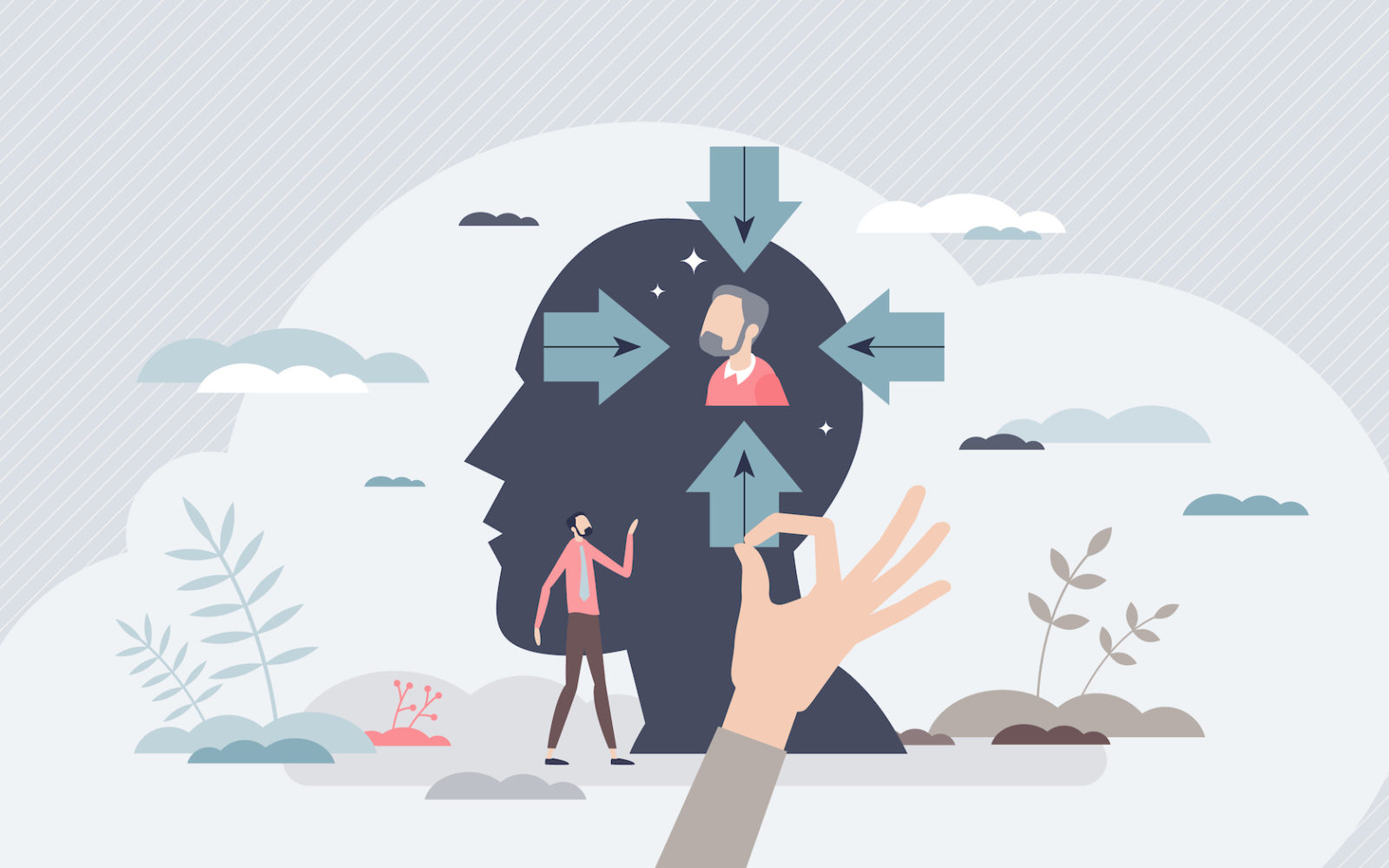
Attitudes Improve for Sex and Race. Disability and Age? Not So Much
How did attitudes about race, sexuality, age, or disability change in the last decade or so? Researchers examined more than 7 million implicit and explicit tests for an article published in Psychological Science. In this conversation, APS’s Ludmila Nunes speaks with APS member Tessa Charlesworth (Harvard University), the article’s lead author.
-

Self-Injury: Can the Internet Play a Positive Role?
To speak about self-injury and how online communities might help, Emma Preston, an APS member and graduate student at the University of Southern California, joined APS’s Ludmila Nunes.
-

Love Lets Us Learn: Psychological Science Makes the Case for Policies That Help Children
APS President Alison Gopnik discusses the increasing amount of scientific evidence that our experiences as children shape our adult lives.
-

Underweight and Overexposed: How Women’s Perceptions of Thinness Are Distorted
Recent research suggests that women’s judgments about other women’s bodies can be biased by an overrepresentation of thinness. Sean Devine explains these findings and elaborates on their implications for policy.
-

The August Collection: Attitude Changes, Cognition in Lemurs, and Much More
In this episode of Under the Cortex, APS’s Ludmila Nunes and Andy DeSoto discuss five recent articles that examined cognitive control in lemurs, ADHD, how attitudes and biases changed in the last decade, and much more.
-
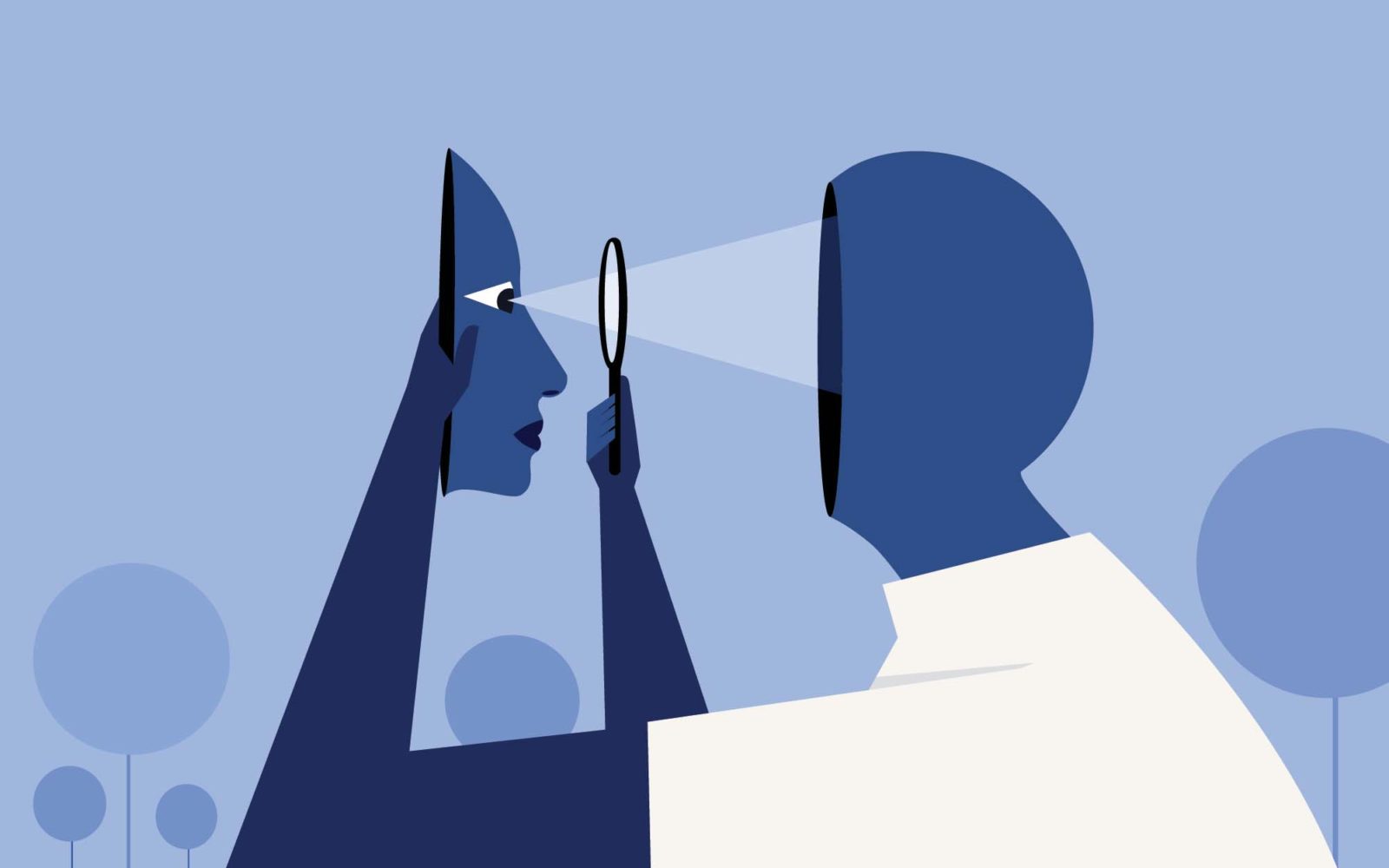
A Paradox in the Field: Mental-Health Disorders Among Psychologists
What do we know about the prevalence of mental health difficulties among psychological scientists? APS member Sarah Victor, a clinical psychologist and professor at the Texas Tech University, joined APS’s Ludmila Nunes to discuss mental health among psychologists.
-
The July Collection: Five Research Briefs
From a cross-cultural spin on the classic “marshmallow experiment” to deceitful 911 homicide calls to what true smiles do, new research in APS journals explores a broad range of topics, including visual memory and success. In this episode of Under the Cortex, APS’s Ludmila Nunes and Andy DeSoto discuss five of our most interesting new research papers.
-

Podcast Collection: Eight Early-Career Researchers on Their Inspirations, Methods, and Goals
The full collection of podcast interviews with recipients of the 2022 APS Janet Taylor Spence Award for Early Career Contributions.
-

The New Riddle of the Sphinx: Life History and Psychological Science
In her inaugural column as APS President, Alison Gopnik explores how the life-history perspective is suited to the mission of APS.
-
I Don’t Care If It’s Fake News, I Believe It
“Max” Bai talks about the research on misinformation he presented at the 2022 APS Annual Convention in Chicago.
-

2022 Spence Award Mini Episode: Brian Anderson and Habit-Reinforcing Behavior
2022 Spence Award winner Brian Anderson talks about his research on what captures human attention and how that influences behavior.
-
2022 Spence Award Mini Episode: Patricia Lockwood and the Foundations of Social Learning
2022 Spence Award winner Patricia Lockwood (University of Birmingham) talks about her research on the foundations of social learning.
-
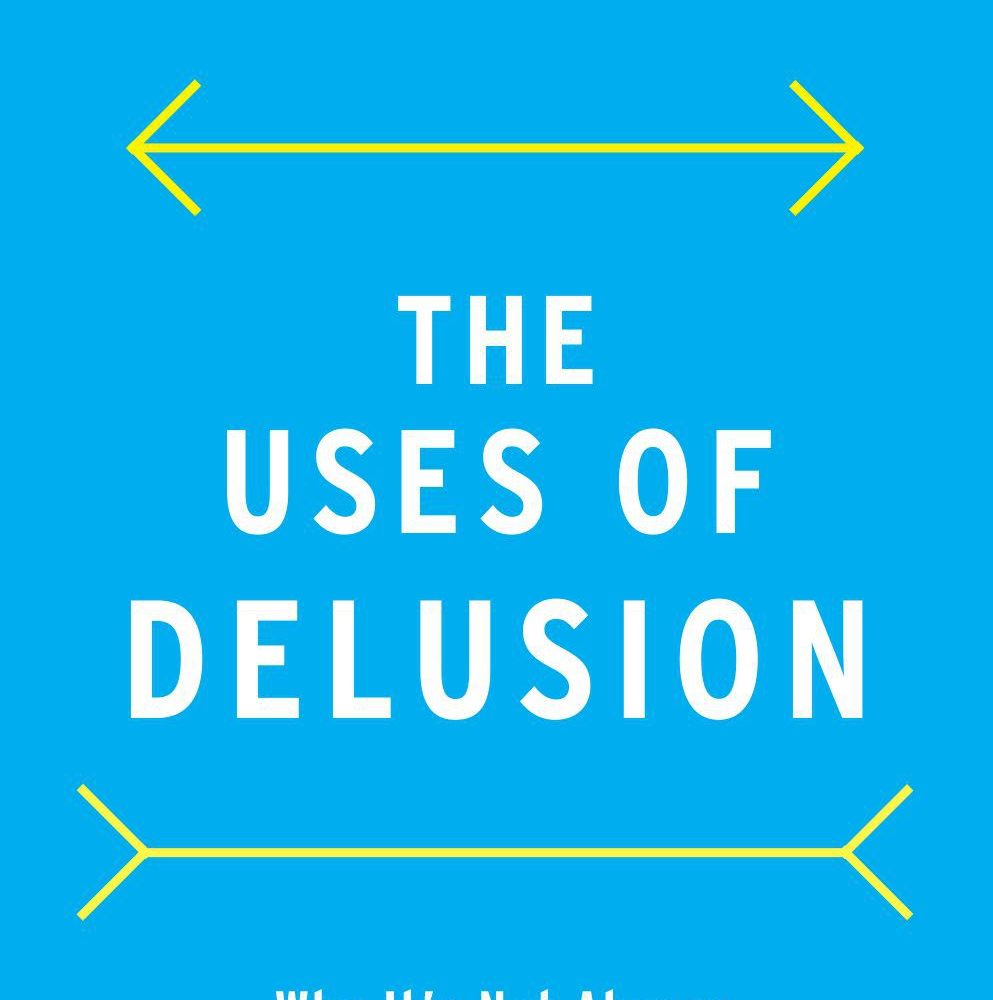
Delusion and the Uses of Not Being Rational
APS Fellow and Charter Member Stuart Vyse, talks about his new book “The Uses of Delusion: Why It’s Not Always Rational to Be Rational.”
-

Much More Online
Featuring content on myths and misinformation, epidemics and public health, and upcoming events.
-
2022 Spence Award Mini Episode: Neil Lewis Jr. on the Unequal Nature of Society
Neil Lewis Jr. discusses how despite living in the same country, people end up having wildly different life experiences.
-

2022 Spence Award Mini Episode: Human to Nonhuman Interactions with Kai Chi (Sam) Yam
Kai Chi (Sam) Yam (National University of Singapore) tells us about his research on human-nonhuman communication.
-

Traffic Stops and Race: Police Conduct May Bend to Local Biases
Pierce Ekstrom discusses new research on the relationship between countywide attitudes toward race and local policing.
-
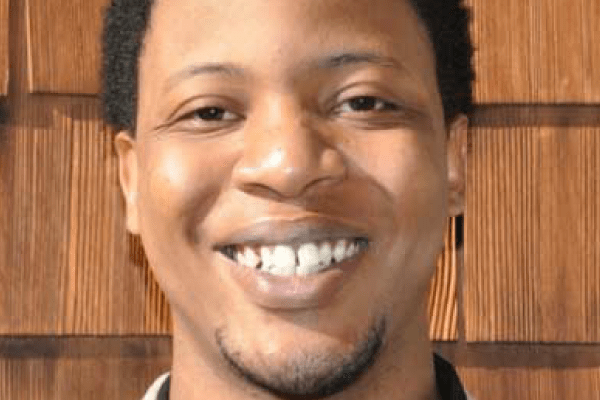
2022 Spence Award Mini Episode: Jason Okonofua and the Power of Empathy
Under the Cortex talks with 2022 Spence Award winner Jason Okonofua.
-

2022 Spence Award Mini Episode: Oriel FeldmanHall on Investigating Complex Brain Processes
Under the Cortex talks with 2022 Spence Award winner Oriel FeldmanHall.
-
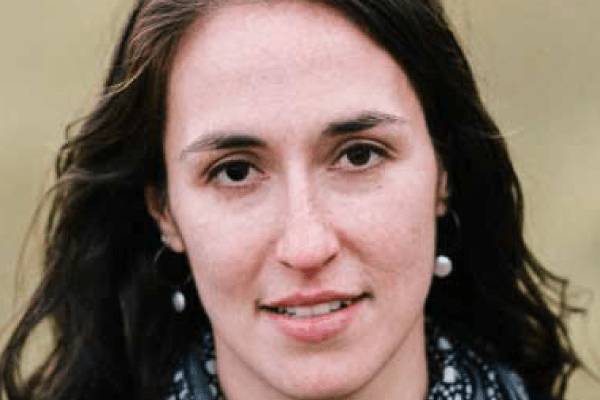
2022 Spence Award Mini Episode: Brett Ford on How People Manage Their Emotions
2022 Spence Award winner Brett Ford talks about her research on emotions.
-
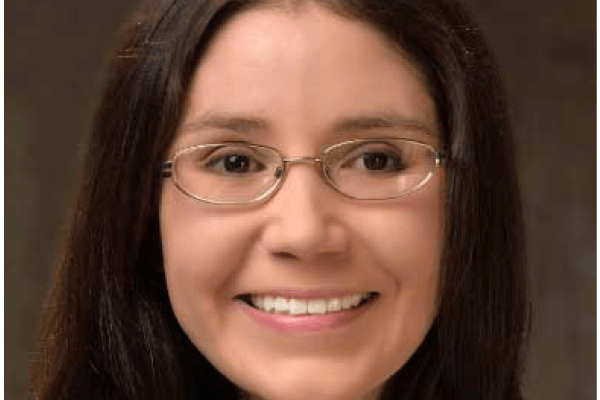
2022 Spence Awards Mini Episode: Antonia Kaczkurkin on How We Internalize Disorders
Under the Cortex talks with 2022 Spence Award winner Antonia Kaczkurkin.
-

Constellations Across Cultures
New research, as discussed by Charles Kemp and published in the journal Psychological Science, reveals that our visual processing system may explain the striking commonality of constellations across cultures.
