

-

ADHD May Stop Thoughts in Their Tracks
While any child can become distracted in this way, a study found that the minds of children with untreated ADHD were more likely to simply go blank.
-
Being empathetic is good, but it can hurt your health
The Washington Post: Your husband was just passed over for a promotion, and he’s depressed. Your friend’s breast cancer has returned. As a supportive spouse and friend, you feel their pain. Growing research suggests there’s a cost to all that caring. Empathy — the ability to tune into and share another person’s emotion from their perspective — plays a crucial role in bringing people together. It’s the joy you feel at a friend’s wedding or the pain you experience when you see someone suffering. It’s an essential ingredient for building intimacy in relationships, says Robin Stern, associate director of the Yale Center for Emotional Intelligence.
-
Does Happiness Really Make You Healthier? It Depends on Where You Live
New York Magazine: I am an Eeyore; I know this. I’m a glass-half-empty, worst-case-scenario, dwell-on-the-imperfections, existential-dread ruminating worrywart, and I envy the people I encounter who seem to effortlessly exude perkiness and fun. That’s not to say there’s no joy in my life; it just doesn’t come as naturally to me as it appears to for others. And yet despite fully meeting the textbook definition of “the opposite of an optimist,” I’ve never thought to label myself a pessimist. ... Now, new research seems to show that cultural perceptions of mental states may indeed mediate their physical effect.
-
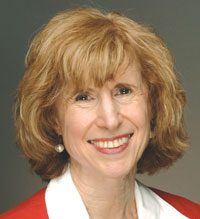
In Memory of APS Past President Elizabeth Capaldi Phillips
Capaldi Phillips had many achievements as a researcher, university administrator, and tireless advocate for psychological science.
-

Optimize Learning With Psychological Science
Study tips abound, but which ones actually work? Researchers translate the evidence into useful strategies for students.
-
Dweck Receives Yidan Prize for Growth Mindset Research
APS James McKeen Cattell Fellow Carol Dweck has been named a recipient of the inaugural Yidan Prize, which recognizes her influential scientific work exploring mindsets and their impact on student achievement. Dweck, a professor of psychology at Stanford University, was selected as one of the first recipients of the award, the largest international prize in education research and development. “I’m thrilled and honored to be the inaugural recipient of this amazing prize,” Dweck said in a statement. “It will allow us to take our work forward and continue to innovate – to develop even more effective interventions for students and more effective materials for teachers to use in classrooms.
