

-
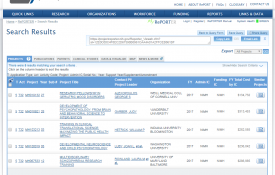
NIH Training Grants Involving RDoC
Run a search on NIH RePORTER for T32 awards (training grants) that mention RDoC.
-
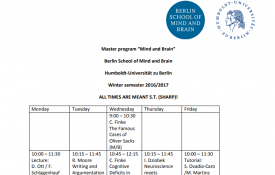
Sample RDoC Semester Course Syllabus
View a course syllabus centered on RDoC used at Berlin School of Mind and Brain.
-
RDoC Bootcamp Slides
Learn about applying for grants related to RDoC in slides by APS Fellow Ian Gotlib and Leanne Williams.
-

Around the World, People Have Surprisingly Modest Notions of the Ideal Life
Rather than being “maximizers,” people seem to aspire to moderate ideal levels of traits, such as pleasure, intelligence, personal freedom, and longevity.
-
The Dangers of Distracted Parenting
Smartphones have by now been implicated in so many crummy outcomes—car fatalities, sleep disturbances, empathy loss, relationship problems, failure to notice a clown on a unicycle—that it almost seems easier to list the things they don’t mess up than the things they do. Our society may be reaching peak criticism of digital devices. Even so, emerging research suggests that a key problem remains underappreciated. It involves kids’ development, but it’s probably not what you think. More than screen-obsessed young children, we should be concerned about tuned-out parents. Yes, parents now have more face time with their children than did almost any parents in history.
-
The Racist Trope That Won’t Die
The comedian Roseanne Barr resurrected one of the oldest and most profoundly racist slanders in American history when she referred to Valerie Jarrett, an African-American woman who served as an adviser to President Barack Obama, as the offspring of an ape. This depiction — promoted by slave traders, historians and practitioners of “scientific” racism — was used to justify slavery, lynching and the creation of the Jim Crow state. It made the leap to the silver screen in deeply noxious films like “The Birth of a Nation” and haunted American popular culture well into the 20th century. The toxically racist ape characterization has been pushed to the margins of the public square.
