
-
Public Shaming Has Become a Common Pastime During the Pandemic. But It Doesn’t Really Work
Public shaming, in this era of rapid judgment and ensuing internet outrage, is nothing new. But the pandemic has made it a popular pastime. Runners have been berated for exercising without masks. City dwellers have been criticized for congregating in parks. And beachgoers have been condemned for hitting the sand. The pandemic has heightened the stakes for every small decision we make about our lives, and people are naturally on edge. But experts say shaming other individuals for apparently going against the rules -- or, public shaming for what you may perceive as public good -- isn't usually the best route to take. Here's why we shame others -- and why we shouldn't.
-
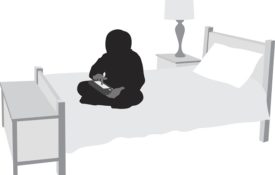
Does Bedtime Media Use Harm Children’s Sleep? Only if They Struggle to Self-Regulate Behavior
Media use before bedtime translates to less sleep for some, depending on level of self regulation.
-

Annual NIH Ceremony Highlights the Importance of Behavioral Research
On June 8, the National Institutes of Health Office of Behavioral and Social Sciences Research (OBSSR) held its 2020 Matilda White Riley Behavioral and Social Sciences Honors, which recognizes a researcher who has conducted transformative behavioral science work supported by NIH and has shown leadership in the field.
-
The Best Way to Handle Your Decline Is to Confront It Head On
As a kid, I was sure that all old people must be afraid of death. As I have gotten older, however, it turns out that this is mostly wrong. There are, certainly, people my age (56) who are morbidly afraid of dying—there’s even a diagnosable psychiatric condition for this fear, called thanatophobia, and a whole movement, called transhumanism, dedicated to attempting to postpone death or avoid it altogether. But most older adults I know aren’t really terrified of death per se, but rather of being destroyed as sentient beings. No surprise, then, that what they—we—fear much more is a gradual, de factodeath from decline.
-

New Small Grant Category Supports Antiracist Curricula
Grants will be available twice per year as Small Grants up to $5,000 and also as part of a temporary initiative to distribute microgrants to support online learning projects.
-

Claiming Journalism Is ‘Fake News’ May Satisfy a Personal Need for an Orderly World
People may use the term “fake news” to satisfy their need for structure in the world.
