
Science for Society: Understanding and Mitigating Memory Decline
As we age, understanding the science behind memory decline and the ways we can address it becomes more important, not only for ourselves but for the aging family and friends in our lives. Four researchers shared the latest research on the ways that aging impacts memory in this webinar.
Angelina Sutin, APS Fellow and professor in the College of Medicine at Florida State University, began the webinar with a description of dementia, an umbrella term that refers to the loss of memory and other thinking abilities severe enough to interfere with daily life.
In the United States, nearly 7 million people live with Alzheimer’s disease, a form of dementia. That number is projected to reach 13 million by 2050. Most cases are caused by a combination of risk factors, including age, family history, and genetics.
“There is no cure for Alzheimer’s disease or other dementias,” said Sutin, adding that addressing risk factors and medical conditions can help with prevention.
For example, developing a strong purpose in life has been linked with better cognitive outcomes and a lower incidence of developing dementia. Pharmaceutical options are also available to help slow and manage cognitive decline, Sutin said.
Ketlyne Sol, a research assistant professor at the University of Miami, shared research on how social determinants of health impact dementia risk.
Factors such as neighborhood, social context, social engagement, and physical activity can all contribute to dementia risk, though the degree to which they can influence risk is not always clear.
“More work is needed into whether and how neighborhood contexts affect cognitive health,” Sol clarified.
Claudia Haase, professor of human development and social policy at Northwestern University, discussed the role of emotional regulation on memory.
“Scientists have long observed that well-being and cognitive health often go hand in hand,” Haase said.
She discussed research that illustrates how positive affect buffers memory decline, stressing that these skills can be particularly important for individuals in caregiving situations.
Juan Francisco Flores-Vazquez, a medical researcher at the National Institute of Geriatrics in Mexico City, focused on the trajectory of normal cognitive aging, emphasizing that everyone is likely to experience some degree of cognitive decline as they grow older.
“Our brain ages as much as our skin ages,” he said, “and no matter how much we try to keep our skin looking 20 years old, it doesn’t really happen.”
Although some aspects of memory are likely to decline, such as speed of processing and working memory, other types of cognitive activity can continue to strengthen into old age. Word vocabulary and knowledge, for example, can increase throughout life, and some research indicates it may even peak as late as 70 years old.
“We should keep in mind it’s not all in decline, there are things that get better,” he said.
Speakers
Angelina Sutin
Florida State University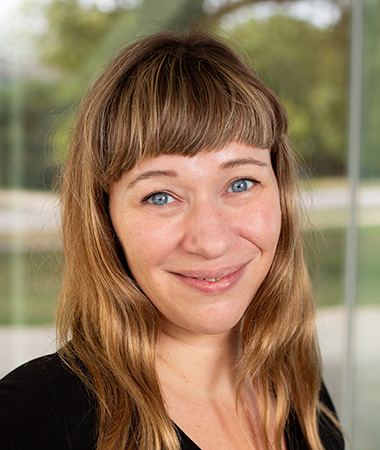
Claudia Haase
Northwestern UniversityClaudia Haase, PhD, is an associate professor at Northwestern University. She studies pathways towards healthy development across the life span with a focus on emotions in individuals and couples.
Juan Francisco Flores-Vázquez
Instituto Nacional de Geriatría| Dr. Juan Francisco Flores-Vázquez is a psychiatrist and researcher at National Institute of Geriatrics in Mexico City. His work combines clinical research with patient care, focused on individuals experiencing dementia and cognitive decline. |
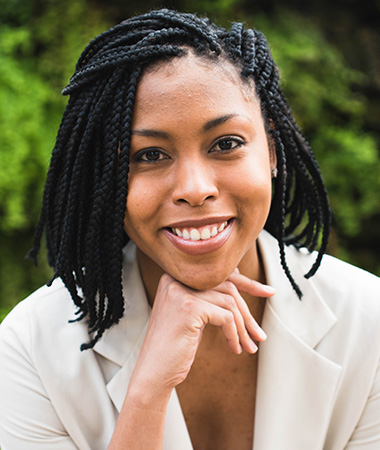
Ketlyne Sol
University of MiamiDr. Sol’s research evaluates psychosocial and physical contextual risk and resilience factors in cognitive aging and Alzheimer’s Disease and Related Dementias (ADRD) with a focus on the neighborhood. She aims for her work to inform both individual interventions and policy changes to reduce ADRD incidence, improve cognitive aging, and enhance overall well-being in aging.
