
-
Psychology in an Economic World
Poverty, wealth, and their cognitive, emotional, and neurochemical consequences dominated the discussion in the opening integrative science symposium at ICPS. Moderated by Daniel Cervone, who co-chairs the program committee for the event that kicked off
-

Having Wealthy Neighbors May Skew Beliefs About Overall Wealth Distribution
Wealthy people may be likely to oppose redistribution of wealth because they have biased information about how wealthy most people actually are, according to new research published in Psychological Science, a journal of the Association
-
The Paradox of Effort
The Atlantic: Denying instant gratification in deference to long-term goals is virtuous, people tell me. Those people might be right. Psychologists call it self-regulation or self-control. And together with conscientiousness, it’s at least a trait
-
Poor children more generous than their rich counterparts, study finds
The Telegraph: Even as four-year-olds, poor people are more generous than their richer counterparts, an altruism experiment suggests. Psychologists also found that teaching pre-school children to help those in need can lead to them being healthier
-
Are Poor Kids More Altruistic?
New York Magazine: Altruistic behavior toward strangers, a growing body of research has found, brings with it emotional and health benefits. This can help explain what has traditionally been seen as the “mysterious” aspect of
-
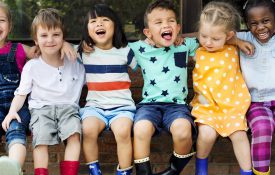
Kids’ Altruism Linked with Better Physiological Regulation, Less Family Wealth
Children as young as 4 years old may reap better health from altruistic giving, a behavior that tends to be less common among kids from high-income families.
