
-
Bouncing Back May Be Tough, but So Are We
The Chronicle of Higher Education: In 2005 the National Science Foundation brought together some unlikely collaborators—ecologists and psychologists among them—to talk about resilience. It turns out they had a lot in common. For decades researchers
-
Anxiety is normal, but PTSD may simmer in children who’ve seen Boston Marathon bombing
CBS: The graphic nature of the attack at the Boston Marathon can be difficult for many to process, and that includes young people. Whether or not they were physically there at the bombing, children can
-
How Social Media After the Boston Bombing Can Be a Recipe for PTSD
The Atlantic: Monday’s horrific events at the Boston Marathon produced horrific images which in the age of social media news means an inescapable constant, unsolicited bombardment of the gruesome aftermath of a gruesome event. While
-
New Research From Psychological Science
Read about the latest research published in Psychological Science and Clinical Psychological Science. Perceived Causality Can Alter the Perceived Trajectory of Apparent Motion Sung-Ho Kim, Jacob Feldman, and Manish Singh In this study, the authors used
-
What You Should Know About Treatment for Posttraumatic Stress Disorder
In the May 2013 issue of Psychological Science in the Public Interest, Edna Foa and colleagues explore the challenges in disseminating evidence-based treatments for posttraumatic stress. Here are some important facts about effective treatments for
-
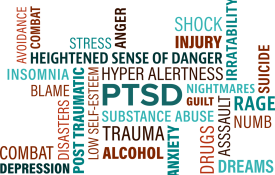
Most Effective PTSD Therapies Are Not Being Widely Used, Researchers Find
Clinical research has identified certain psychological interventions that effectively ameliorate the symptoms of PTSD, although most people struggling with the disorder don’t receive those treatments, according to a scientific review.
