
-
Communicating Psychological Science: The Lifelong Consequences of Early Language Skills
“When families are informed about the importance of conversational interaction and are provided training, they become active communicators and directly contribute to reducing the word gap (Leung et al., 2020).”
-
New Content From Current Directions in Psychological Science
A sample of articles on the role of phenomenological control in experience, the positive impact of social connectedness, contextualizing empathy, and much more.
-

Presenting Information About Mental Health in a Second Language Could Help Counter Cultural Norms Against Treatment
Bilingual people from cultural backgrounds in which mental health is a taboo topic may be more open to treatment when they hear information in their second language.
-

New Research in Psychological Science
A sample of research on how mnemonic content and hippocampal patterns shape our judgment of time, well-being and cognitive resilience, face familiarization, the prioritization of due process, and much more.
-
Your Native Tongue Holds a Special Place in Your Brain, Even if You Speak 10 Languages
Most people will learn one or two languages in their lives. But Vaughn Smith, a 47-year-old carpet cleaner from Washington, D.C., speaks 24. Smith is a hyperpolyglot—a rare individual who speaks more than 10 languages. In
-
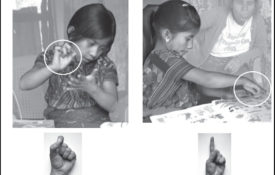
The Self-Taught Vocabulary of Homesigning Deaf Children Supports Universal Constraints on Language
Researchers compared how young homesigners—deaf children without access to an established sign language—and English-, Spanish-, and Chinese-speaking adults describe the use of tools such as paintbrushes and knives.
