
-
Am I Safe Here?: How People With HIV/AIDS Perceive Hidden Prejudices in Their Communities
People in marginalized groups, such as the disabled or racial minorities, feel stigmatized—condemned, feared, or excluded—when other people stigmatize them. That’s obvious. But they can also feel stigma when nobody blatantly discriminates against them or
-
Having a Strong Community Protects Adolescents From Risky Health Behaviors
Children who grow up in poverty have health problems as adults. But a new study finds that poor adolescents who live in communities with more social cohesiveness and control get some measure of protection; they’re
-
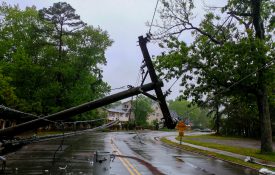
Weighing the Costs of Disaster: Consequences, Risks, and Resilience in Individuals, Families, and Communities
A scientific review shows that a psychological intervention commonly employed to help victims who have just experienced a disaster lacks evidence supporting its effectiveness and may actually be harmful.
-
An intuitive sense of property
Americans like to own their homes, and the rules and conventions for ownership are generally well understood. So it’s easy to forget that in many corners of the globe the rules are more ambiguous–and more
-
The paradox of green cred
My office shares a floor with the Sierra Club. So oftentimes the shared men’s room on the floor is dark when I enter it. The lights have been turned off, either as an act of
-
The Perks and Pitfalls of Pride
Pride has perplexed philosophers and theologians for centuries, and it is an especially paradoxical emotion in American culture. We applaud rugged individualism, self-reliance and personal excellence, but too much pride can easily tip the balance
