
-
Is There Such a Thing As a Good Life? Science Says Yes
What is a good life, and how can we create it? ... “We wanted to capture more explorative, adventurous, creative types of good life,” like those of artists and poets, said Shigehiro Oishi, a psychologist at the University of Chicago who first conceptualized psychological richness. Happiness, Oishi said, can be thought of as a batting average — it goes up and down with good and bad experiences. Psychological richness, on the other hand, is more akin to career highlights — how many interesting stories and experiences we have over our lifetime. ...
-
Why Is Everything Spicy Now?
The Carolina Reaper is so hot, it makes jalapeños taste like milk. It’s so hot, it causes people to hallucinate, vomit, pass out, wish they’d never been born. It’s so hot that the guy who invented it—in 2012, by crossbreeding habaneros and Naga Viper peppers, each of which were once thought to be the hottest in the world—has said it tastes like eating “molten lava.” Original-recipe Tabasco sauce is up to 5,000 Scoville heat units; habaneros are up to 350,000. The Reaper has been known to reach 2.2 million. ... To put it generally and reductively, American food has not always been known for embracing spice.
-

Does Meditation Come With Side Effects?
A new study examines the extent of adverse effects for those who meditate and pinpoints those most at risk of experiencing them.
-
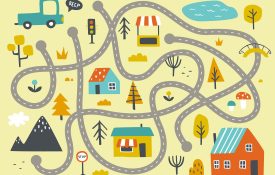
A Common Cognitive Bias Gets a Name, Definition
Doubling-back aversion—defined as the tendency for an individual to forego taking an easier or faster route when it involves retracing steps they’ve already taken on an alternate route—is defined in a new study.
-
Enough With the Mom Guilt Already
... Numerous studies since then have backed up Harris’s core idea that parents don’t matter as much as many people think. Genes, for example, seem to play a bigger role than the environment that children are raised in. And some research on attachment theory suggests that a child’s bond with their early caregiver has only a weak correlation with their relationship patterns as adults; those patterns are informed by a whole range of experiences beyond just parenting, including friendships and major life stressors.
-
How Older People Are Reaping Brain Benefits From New Tech
Overuse of digital gadgets harms teenagers, research suggests. But ubiquitous technology may be helping older Americans stay sharp. ... The opposite appears true. “Among the digital pioneer generation, use of everyday digital technology has been associated with reduced risk of cognitive impairment and dementia,” said Michael Scullin, a cognitive neuroscientist at Baylor University. It’s almost akin to hearing from a nutritionist that bacon is good for you.
