

-
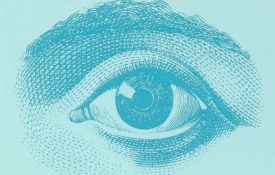
We Read Emotions Based on How the Eye Sees
We use others’ eyes – whether they’re widened or narrowed – to infer emotional states, and the inferences we make align with the optical function of those expressions.
-
Behavior, Energy, & Climate Change Conference Opens Call for Abstracts
The Behavior, Energy, & Climate Change Conference (BECC) will be held October 16–18, 2017, in Sacramento, California, and the call for abstracts is now open. The BECC is focused on understanding the behavior and decision-making of individuals and organizations and using that knowledge to accelerate the transition to an energy-efficient and low-carbon future.
-
A neuroscientist explains: how we perceive the truth
The Guardian: This week, Observer Magazine columnist and neuroscientist Dr Daniel Glaser speaks to University College London’s Professor Nilli Lavie about perception. How do we perceive our visual world? Can this be affected by higher cognitive processes? And what can this all tell us about the phenomena of ‘fake news’? Read the whole story: The Guardian
-
Ya Had to Be There: Science Confirms We’re Bad at Telling Stories
LiveScience: Go ahead: Tell that same story about your college shenanigans the next time you're out with your friends. They'll thank you for it. A new study finds that people prefer hearing familiar stories to new ones, probably because people are generally such bad storytellers that brand-new tales are just confusing. "When our friends try to tell us about movies we've never seen or albums we've never heard, we usually find ourselves bored, confused and underwhelmed," study researcher Daniel Gilbert, a psychologist at Harvard University, said in a statement. "That's because those experiences are so complex that they are nearly impossible for an ordinary person to communicate well.
-
You Need To Deal With Your Work Stress. Here’s How
TIME: Being mistreated at work can make people take out their frustrations on loved ones at home. But a new study suggests that getting more exercise and sleep may help people better cope with those negative emotions by leaving them at work, where they belong. Read the whole story: TIME
-

New Research From Psychological Science
A sample of new research exploring the emergence of abstract grammatical categories in children’s speech, the development of a sense of body ownership, and adaptable categorization of hands and tools among prosthesis users.
