
-
How to Thrive During The Pandemic: 10 Strategies For Resilience Based on Brain Science
After all these days in quarantine and through unprecedented and challenging times, you’re likely feeling stressed, anxious or socially isolated—but it is possible to enhance your wellbeing and develop resilience. Insights from brain science can help you not just survive, but thrive. Resilience is the capacity to recover, respond and bounce back from challenging times. Even if you don’t know the “back” to which you would “bounce” because the world may never return to the way it was, you still need the capabilities to adapt in uncertain or negative conditions.
-
The Fear of Coronavirus is Changing Our Psychology
Rarely has the threat of disease occupied so much of our thinking. For weeks, almost every newspaper has stories about the coronavirus pandemic on its front page; radio and TV programmes have back-to-back coverage on the latest death tolls; and depending on who you follow, social media platforms are filled with frightening statistics, practical advice or gallows humour. As others have already reported, this constant bombardment can result in heightened anxiety, with immediate effects on our mental health. But the constant feeling of threat may have other, more insidious, effects on our psychology.
-

Six APS Fellows Elected to Membership in National Academy of Sciences
Six Fellows of the Association for Psychological Science (APS) are among the most recent inductees into the National Academy of Sciences.
-
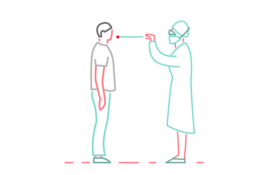
Saliva as a Biospecimen in the Era of COVID-19
Psychological scientists will need to adopt new practices and protocols to continue conducting saliva-based research safely.
-

New Content From Current Directions in Psychological Science
A sample of articles on aging and prosocial behaviors, using context to explain the success of interventions for behavioral change, and supports for managing work and family.
-
Recruit Online Participants with Children Helping Science
Children Helping Science is a new field-wide resource offered by the Parent and Researchers Collaborative (PaRC) to assist researchers in recruiting online participants by making it easy for parents to find online studies. For more information, go to childrenhelpingscience.com or learn more about the PaRC here.
