
-
Americans Are Determined to Believe in Black Progress
APS Member/Author: Jennifer Richeson For two days in early June, as America was erupting in sustained protests over the killing of a Black man, George Floyd, by police in Minneapolis, the most watched movie on Netflix was The Help. The 2011 film—which depicts Black servants working in affluent white households in 1960s Mississippi, and centers on a white female journalist—won acclaim in some quarters. But it has also been criticized as a sentimental and simplistic portrayal of racism—and redemption—amid the cruelties of Jim Crow. To ask what was going on here—why people started watching The Help at a moment of deep racial trauma—is to risk tumbling down a rabbit hole.
-

New Research From Clinical Psychological Science
A sample of research on sexual-trauma, posttraumatic stress disorder (PTSD), pornography use, eating disorders, clinical practice guidelines, and acute stress and cortisol.
-
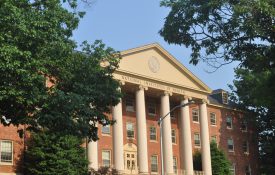
NIH Funding Innovative Research on Music and Health
The National Institutes of Health (NIH) along with the National Endowment for the Arts (NEA) have released a funding opportunity announcement for collaborative and multidisciplinary research into how music interventions can impact health.
-

APS Stands With International Students Studying in the United States
Proposed changes this summer to US federal immigration policies cast widespread uncertainty among international students in the US planning to take online courses as a result of the COVID-19 pandemic.
-

Living in Deprived Neighborhoods May Hinder Reward Anticipation, Moderating Mental Health
Reduced access to rewards may influence brain development, contributing to the increased prevalence of mental health disorders in children living in economically impoverished environments.
-
Health and Happiness Depend on Each Other, Psychological Science Says
New research adds to the growing body of evidence that happiness not only feels good, it is good for your physical health. [July 22, 2020]
