
-
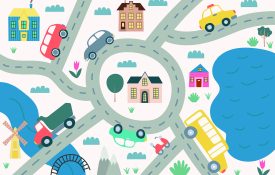
Across Cultures, People Combine Reference Frames to Orient Themselves
A 2025 study explores allocentric and egocentric references and whether the two can be integrated simultaneously in a single action.
-

New Research From Clinical Psychological Science
A sample of articles covering anxiety, adolescence, mental health interventions, and much more.
-
U.S. Science Funding Update: National Science Foundation
Science policy advocacy requires a sustained effort and the active involvement of many voices. Through APS, you can continue to help shape the future of science and ensure that psychological science is a priority.
-
The Friend-Group Fallacy
My friendships exist in silos. Each hangout is a feverish one-on-one where we share fries and eye contact, confessions, rants, gossip, and mutual attempts at amateur therapy. This patchwork of get-togethers structures my week: a Wednesday happy hour with one friend, a Saturday-morning walk-and-talk with another, a Sunday coffee date with a third. It’s exhilarating—we genuinely want to know how each other’s moms are doing. ... People can experience different types of loneliness, Letitia Anne Peplau, the retired psychology professor who co-created the UCLA Loneliness Scale, told me.
-
Why Some People Are Wired to Help Strangers, And What Their Brains Reveal
Abigail Marsh, a professor of psychology and neuroscience at Georgetown University, studies extraordinary altruism — people who jump in to rescue strangers in emergencies or donate a kidney to someone they don’t know. Marsh spoke with Cristina Quinn, host of The Washington Post’s podcast “Try This,” about what her work has uncovered, and what brain science reveals about people who habitually engage in selfless acts. The conversation has been edited for length and clarity.
-
8 Ways to Become a Nicer Person
Kids are taught that being nice means using magic words like “please” and “thank you,” sharing with friends, and taking turns without complaint. Then they grow up and enter a world where it’s normal to mock others online, scowl at their fellow shoppers at the grocery store, and ghost potential romantic partners. Does anyone really even know what being nice means anymore? ... Prosocial behavior, or doing kind acts that benefit others, helps everyone involved feel good.
