
2026 Editorial Fellows Bring Diverse and Global Perspectives
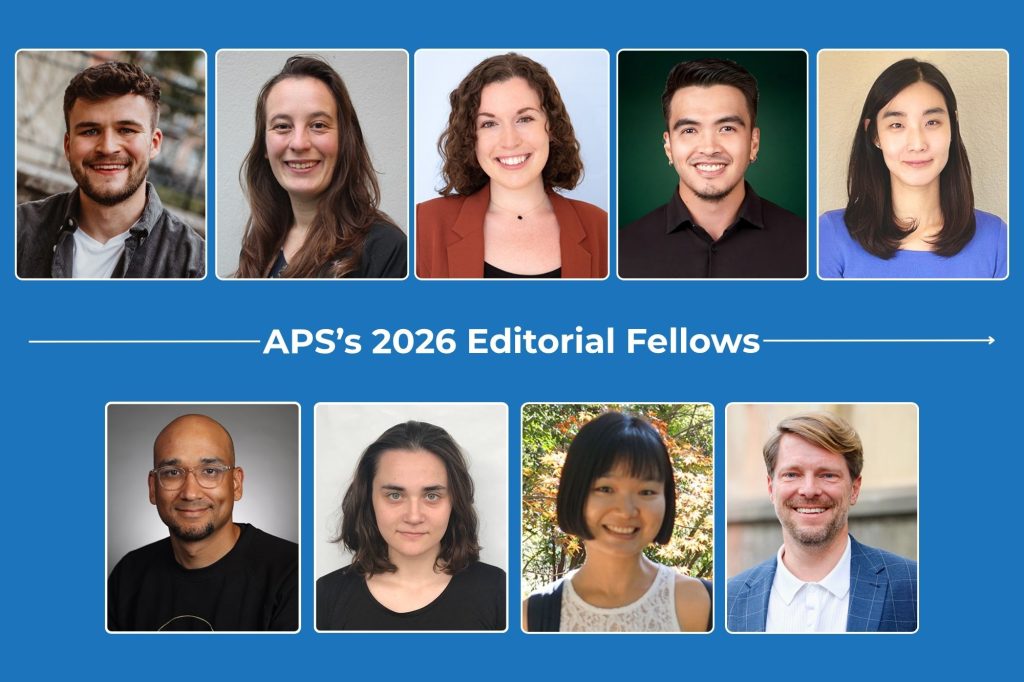
Image above: APS Editorial Fellows, clockwise from top left: Björn Siepe, Laura Botzet, Corinne Carlton-Smith, Peejay Bengwasan, Hyesung Grace Hwang, Christopher Osterhaus, Jin Li, MJ Maryana Balezina, Eike Kofi Buabang.
Björn Siepe • Laura Botzet • Corinne Carlton-Smith • Peejay Bengwasan • Hyesung Grace Hwang • Eike Kofi Buabang • MJ Maryana Balezina • Jin Li • Christopher Osterhaus
APS welcomes nine psychological researchers to the third cohort of APS Editorial Fellows.
APS launched the program in 2024 to help scientists develop their skills as editors, with a goal of creating and sustaining a pipeline of diverse and representative journal editors. One to two fellows are typically assigned to each of five APS journals: Psychological Science, Clinical Psychological Science, Current Directions in Psychological Science, Perspectives on Psychological Science, and Advances in Methods and Practices in Psychological Science. Each fellow is paired with an editor mentor at the journal who is available for consultation and discussion regarding any of the editorial tasks for the manuscripts assigned to the fellow.
Fellows will complete all the editorial tasks typically required of an associate editor, including completing initial evaluations of submitted manuscripts, selecting and inviting reviewers to evaluate the manuscripts, synthesizing reviews, and writing decision letters. They each will receive a stipend for their year-long fellowship.
Meet the 2026 cohort of APS Editorial Fellows.
Advances in Methods and Practices in Psychological Science
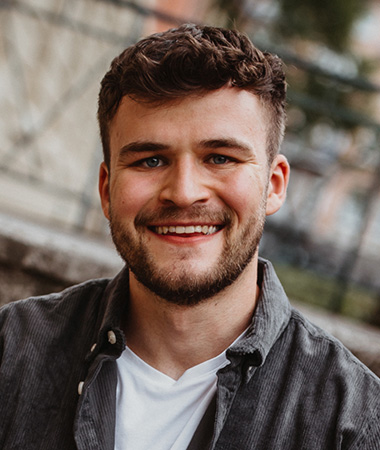
Björn Siepe
Philipps-Universität Marburg
Siepe’s research focuses on the metascience of methodological research (particularly simulation studies), time-series models for psychological data, and applied experience-sampling research. His work aims to make methodological research more robust and transparent, and to improve how intensive longitudinal data are modeled. To support open scientific practices, he has codeveloped preregistration templates, software packages for statistical modeling, and openESM (a large, harmonized database of openly available experience-sampling data sets). He has also served as a reviewer for several methodological and clinical journals.
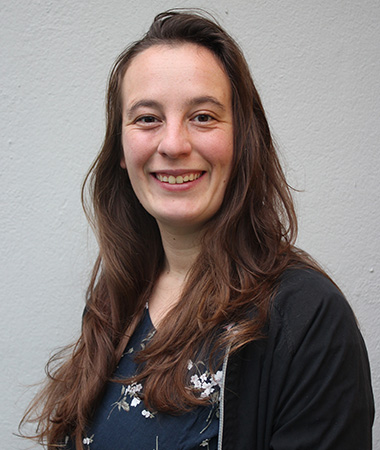
Laura Botzet
University of Göttingen
Botzet’s research focuses on methodological challenges in psychological science, with an emphasis on causal inference using observational and longitudinal data. Her work integrates simulations, Bayesian statistics, and multilevel modeling to examine how analytical decisions influence substantive conclusions, especially in research on the effects of hormonal contraceptive use on sexuality and well-being. She is also interested in psychometrics and improving psychological measurement, as well as in developing accessible tutorials and applied guidance for researchers using R. As an editorial fellow, she looks forward to supporting methodological work that moves the needle in psychology while promoting transparent and rigorous open science practices.
Clinical Psychological Science
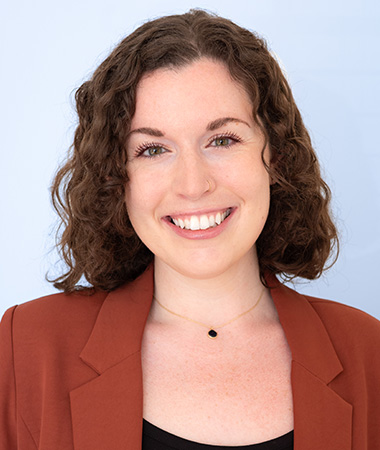
Corinne Carlton-Smith
Florida State University
Carlton-Smith’s research investigates the neural and psychological mechanisms underlying anhedonia and reward dysfunction in youth, with a focus on how social stress shapes and maintains anhedonic symptoms in anxious youth. In her work, she integrates multiple methods including neuroimaging, psychophysiology, and neurostimulation, with intervention science to understand these processes in anxious youth, with the explicit goal of developing personalized treatments that can effectively target difficult-to-treat symptoms. As an editorial fellow, she aims to engage in thorough and deliberative peer review while building insight into the ways editorial decisions influence impactful contributions to psychological science.
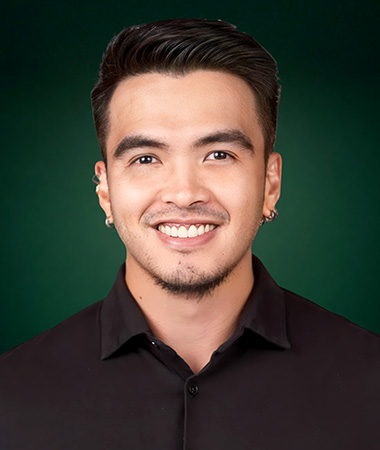
Peejay Bengwasan
De La Salle University
Bengwasan is a registered psychologist and psychometrician in the Philippines with over 15 years of experience in psychological assessment and psychotherapy. He has extensive experience in court-mandated rehabilitation and anger-management programs for youth in conflict with the law, and he currently provides interventions for suicidal ideation, depression, anxiety, and gender-related concerns in teens. Bengwasan is an associate professorial lecturer at De La Salle University and a member of its Psychology of Hope and Well-Being Research Laboratory. He also serves as the international relations officer of the Psychological Association of the Philippines and is an executive committee member of the Association of Southeast Asian Nations (ASEAN) Regional Union of Psychological Societies. His research interests include child and adolescent mental health, psychological interventions, and trauma.
Current Directions in Psychological Science
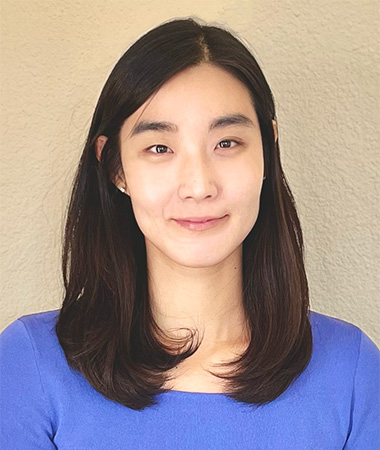
Hyesung Grace Hwang
University of California, Santa Cruz
Hwang studies how infants and children develop social biases, with a particular focus on categories such as race, language, accent, and political groups. She is especially interested in how children’s immediate relationships and broader environments—including families, schools, neighborhoods, and cultural contexts—shape these developing attitudes. She uses behavioral methods alongside neuroscience tools, particularly EEG, to examine social cognition from infancy through early childhood. Her long-term goal is to identify scalable ways to reduce bias early in life and to promote more equitable developmental outcomes for children from marginalized communities. She is also committed to open science and interdisciplinary research and has served as an ad-hoc reviewer for leading journals in developmental psychology and cognitive science.
Perspectives on Psychological Science
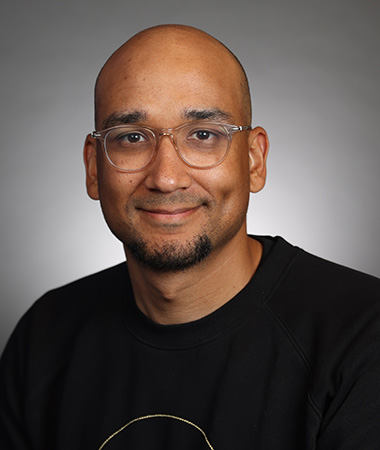
Eike Kofi Buabang
Trinity College Dublin
Buabang is a cognitive neuroscientist whose work has a central focus on understanding the functioning of the brain’s habit system. He uses experimental methods and electroencephalography (EEG) to understand how habits are formed, how they can be broken, and how habit mechanisms contribute to psychopathology. His aim is to inform our understanding of behavior change to help people build healthier routines and overcome patterns that work against them. Buabang has served as an ad-hoc reviewer for several journals in psychology, neuroscience, and psychiatry, and as a grant reviewer. As an editorial fellow, he looks forward to supporting rigorous and inclusive editorial practices.
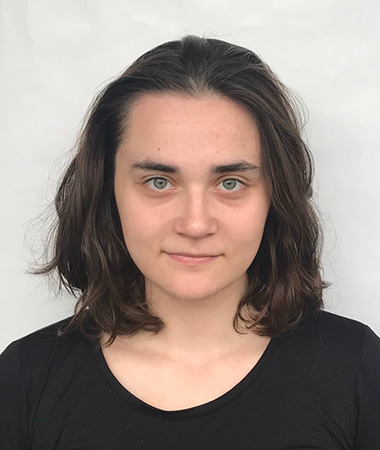
MJ Maryana Balezina
Aarhus University
Balezina is an intersectional scholar who draws on approaches from social psychology, political science, and gender studies to research discrimination against LGBTQIA+ individuals. Specifically, they focus on the mechanisms that drive public attitudes and resistance to inclusionary policies, with the aim of understanding anti-gender backlash and outgroup hostility. Their doctoral dissertation investigates trans-exclusionary policies in sports and the factors shaping public policy views. They have served as a reviewer for several social science journals and look forward to contributing meaningfully to Perspectives in Psychological Science through their cross-field expertise.
Psychological Science

Jin Li
Georgia Institute of Technology
Li is interested in the relationship between language and thought. Her current research focuses on semantic processing in the brain and inner speech. She investigates how the human brain flexibly accesses and operates over vast semantic knowledge to complete everyday tasks, as well as the role of language in reasoning across different situations. She uses surveys and task-based fMRI to probe these questions. Recently, she has also begun developing computational skills, exploring how large language models can help us understand human cognition. Li completed her doctorate in high-level vision, during which she studied the functional characteristics and development of a brain region known as the visual word form area, using neuroimaging data from multiple modalities and populations. Li is eager to serve as a connecting hub to facilitate conversations and communications between authors and reviewers for discussions and to improve research.
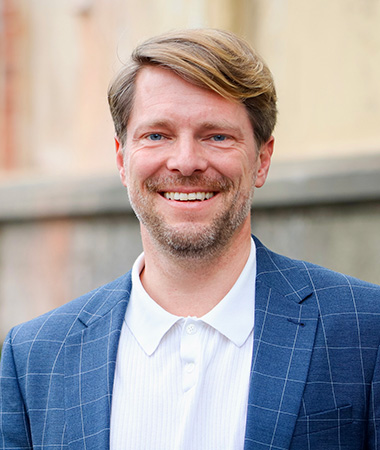
Christopher Osterhaus
University of Vechta
Osterhaus is a developmental psychologist whose research examines how children understand others’ minds and how they reason about the world. His work focuses on social–cognitive and epistemic abilities, particularly theory of mind and scientific reasoning, and how these capacities shape learning and social development. In particular, he investigates how children’s understanding of mental states supports the development of scientific reasoning, with implications for education, social inclusion, and well-being. Using longitudinal, experimental, and intervention approaches, he studies the mechanisms underlying these processes and applies them to inform educational practice. He has served as an ad-hoc reviewer for journals in developmental and educational psychology. As an editorial fellow, he looks forward to supporting rigorous, constructive peer review while gaining deeper insight into editorial decision making.
Feedback on this article? Email [email protected] or login to comment.



APS regularly opens certain online articles for discussion on our website. Effective February 2021, you must be a logged-in APS member to post comments. By posting a comment, you agree to our Community Guidelines and the display of your profile information, including your name and affiliation. Any opinions, findings, conclusions, or recommendations present in article comments are those of the writers and do not necessarily reflect the views of APS or the article’s author. For more information, please see our Community Guidelines.
Please login with your APS account to comment.