APS Mentor Award

The APS Mentor Award recognizes psychology researchers and educators who have shaped the future directions of science by fostering the careers of students and colleagues.

A mentor can be many things: That professor or advisor who made a special effort, transforming our career paths; that inspirational researcher who influenced a larger group of scientists through broader efforts, such as leading an organization or laboratory, or through lecturing and conducting seminars and workshops. There may be other models as well, including for undergraduate institutions and applied settings.

The APS Mentor Award honors the importance of mentoring in our field as well as the dedication and impact of individuals with a distinguished record of teaching, advising, and encouraging students and colleagues. The APS Mentor Awards are presented each year at the APS Annual Convention.

APS’s lifetime achievement awards are not exclusive. In other words, an exceptional psychological scientist might be awarded all of them.


Nomination Information
View a list of Mentor Award Recipients


APS Mentor Award Committee

Kenneth Steele, Chair
Appalachian State University
BJ Casey, Member
Barnard College of Columbia University
Stephen Hinshaw, Member
University of California, Berkeley
Miguel Moya, Member
University of Granada
Serena Zadoorian, Member
University of California, Riverside
2026 Award Recipients


John F. Dovidio

Yale University

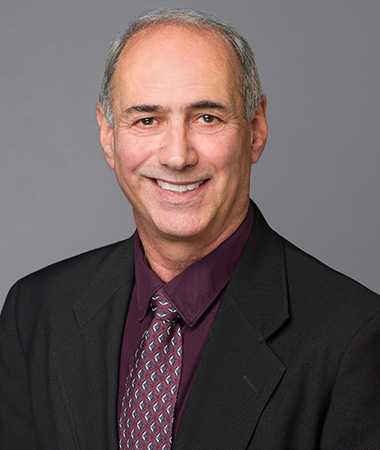
John F. Dovidio is the Carl I. Hovland Professor Emeritus of Psychology and Professor Emeritus in the Institute for Social and Policy Studies and of Epidemiology at Yale University. He is best known for his research on aversive racism, a subtle form of prejudice, and on reducing intergroup biases. Dovidio epitomizes the commitment to mentees’ success. He focuses unwaveringly on helping mentees forge their own unique paths. He encourages students to share nascent ideas, even those still in their embryonic stages, and always finds something in them that is valuable, unique, and worth pursuing. Throughout his illustrious career, he has worked to empower scholars from traditionally disadvantaged backgrounds and enhance the career and social mobility of academics from diverse regions. His unwavering support extends to scholars from ethnic, racial, and gender minoritized backgrounds, those with disabilities, refugees, and individuals hailing from various parts of the globe. He has inspired his former students’ staunch commitment to making their own departments and the field more inclusive. Dovidio’s mentees laud his ability to stimulate innovation and foster a culture of intellectual curiosity and audacious exploration. 


Kathy Hirsh-Pasek

Temple University

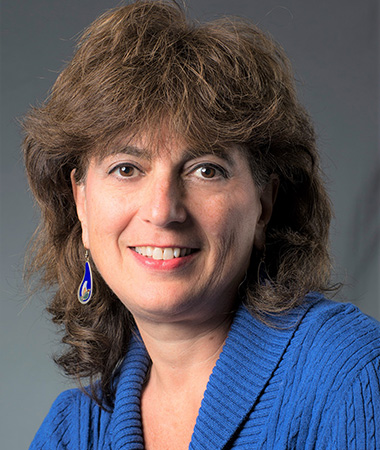
An internationally recognized expert on early learning and child development, Kathy Hirsh-Pasek is the Stanley and Debra Lefkowitz Professor of Psychology at Temple University and Senior Fellow at the Brookings Institution. Her broad research program regarding education naturally complements and enhances her mentoring efforts, helping her trainees become master educators and researchers. Her students appreciate her for teaching them to think big and to ask the questions that will lead them to a breakthrough in their research. Mentees point to her remarkable strength in teaching the importance of speaking clearly about their research to a wide range of audiences, including the public. Hirsh-Pasek mentors through example and is not above doing the menial or labor-intensive tasks needed when conducting research, one mentee said. In her lab, she builds an inclusive, diverse community where students work on multiple projects together to produce research papers published in top journals. By creating inclusive and empowering spaces for young researchers and putting them in a position to lead, Hirsh-Pasek is preparing a generation of scholars who have been trained in a context of generosity and excellence. 


Marci Lobel

Stony Brook University

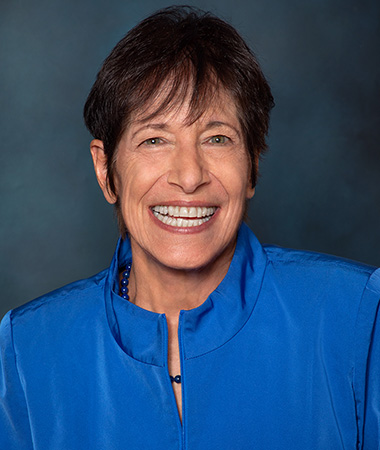
Marci Lobel is a Distinguished Professor of Social and Health Psychology at Stony Brook University. Her research focuses on psychosocial aspects of reproductive health, such as the impact of prenatal maternal stress on low birth weight and preterm birth. Lobel’s exceptional mentorship style prioritizes community, motivation, and recognition. She values her mentees’ unique perspectives, encouraging self-sufficiency, personal initiative, and collaboration. She fosters confidence through her hands-off yet attentive approach, offering guidance without micromanaging. Highly attuned to multicultural issues, Lobel supports students from diverse backgrounds—including those balancing full-time work, family responsibilities, and academics. She welcomes students of various ages, physical abilities, and racial, ethnic, and socioeconomic backgrounds into her lab. She provides opportunities for her graduate students to mentor and supervise undergraduate students from diverse backgrounds, fostering a collaborative learning environment. In the classroom, Lobel challenges students to excel by promoting critical thinking, creativity, and problem solving through presentations, peer reviews, case studies, and discussions. Mentees commend Lobel for her genuine care, helping them not only succeed academically but also grow personally and professionally. 


Paul A.M. van Lange

Vrije Universiteit Amsterdam

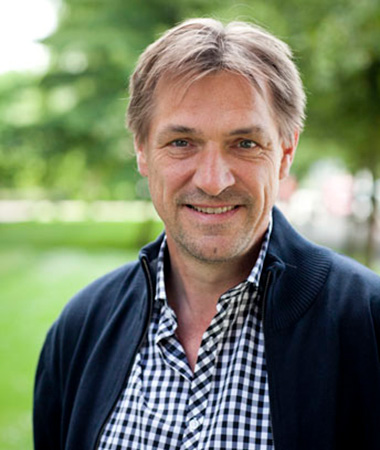
Paul A.M. van Lange is an inspiring example of doing research that matters and generously imparting his knowledge to students. A professor of psychology at the Vrije Universiteit Amsterdam, his research focuses on human cooperation and trust. Van Lange views students and mentees as key to scientific discussion and big ideas. He generously helps his students discover their own research interests and develop ideal methods to study them. He also makes sure their research is both groundbreaking and attainable. Many of his former doctoral students are still working with him. For example, he authored a book with his former student, Jeff Joireman, now professor at Washington State University, titled How to Publish High-Quality Research, in which they share practical advice on preparing a manuscript, navigating the peer review process, and more. The time he invested in the book reflects his commitment to mentoring. One mentee described him as “the advisor who makes that special effort, the researcher who inspires many others” and the mentor “whose door is always open for feedback and support.” 


John R. Weisz

Harvard University

John R. Weisz, the Henry Ford II Research Professor of the Social Sciences in the Department of Psychology at Harvard University, is internationally renowned for his pioneering achievements in youth mental health treatment research. Equally impactful is his extraordinary record as a mentor, characterized by a deeply personalized, mission-driven approach. The seamless integration of his science with his dedication to uplifting others—whom he calls his “lab family”—has created an entire generation of leaders in youth mental health. His approach has been to help each mentee identify a personally meaningful mission and make it the foundation for a fulfilling career. The result, to date: 39 of his mentees have progressed to university faculty positions, with others taking up leadership roles in clinical care and industry. A hallmark is Weisz’s intentional use of his broad professional network—spanning scientists, community leaders, policy makers, and funding agencies—to create tailored opportunities that align with each mentee’s unique goals. Weisz’s mentorship extends far beyond graduate school and postdoctoral years. His mentees continue to collaborate with him for years, some throughout their careers, drawn by his enduring support and collegiality. The result is a vibrant and far-reaching network of former students, postdocs, and informal mentees, whose own achievements reflect the sustained impact of his guidance.