
Convention Tips: Making the Most of In-Person Conference Experiences
Conferences can provide many opportunities for presenting research, learning about what’s happening in the field, and making lasting connections for one’s future career. If you’ve never attended one before, it can be hard to know where to start. Ahead of the 2026 APS Annual Convention, this webinar offered tips on how to make the most out of academic conferences.
The webinar featured presentations from Robert Fite, a postdoctoral researcher at Indiana University, and David Clewett, an assistant professor of psychology at the University of California, Los Angeles. Their presentations offered guidance from personal experiences on making connections, optimizing schedules that balance interest and mental health, and enhancing learning at Convention.
Clewett offered specific tips for networking at the early career level. He suggested leveraging your existing research network, especially principal investigators and lab directors, to make connections that can last an entire career: “There’s no shame in asking a postdoc, a senior grad student, or even your principal investigator, ‘hey, I’m really interested in these topics, can you point me or direct me to people that do similar work?’”
Fite recommended ways to expand research horizons by making new connections during poster sessions and special interest groups. He emphasized the importance of creating a welcoming atmosphere if presenting posters, to get more people to come up and ask questions. “Creating that eye contact, if you can, and smiling, and asking them whether they would like the run down are ways to increase that likelihood that you’ll have a positive interaction,” he said.
Clewett also emphasized the many opportunities to learn about new research from a variety of subfields. “You’re hearing about the latest and greatest through people’s posters and talks, so it’s a really fun way to know where the field stands and inspire new questions that you can ask,” he explained.
The 2026 APS Annual Convention has several unique features designed to facilitate networking and learning across disciplines. Integrative Science Symposia feature topics that span the breadth of psychological science with the goal of bringing together experts across disciplines to share and align perspectives. As you peruse the Convention program, you may also notice that sessions are categorized by cross-cutting themes rather than by subdisciplines. Use these categorizations to select sessions, talks, and posters that span subdisciplines and increase interdisciplinary networking opportunities.
We hope to see you in Barcelona! Members can access the full recording of the Convention Tips webinar below and gain invaluable insight and guidance on making the most of conferences in preparation for APS’s Annual Convention.
Speakers
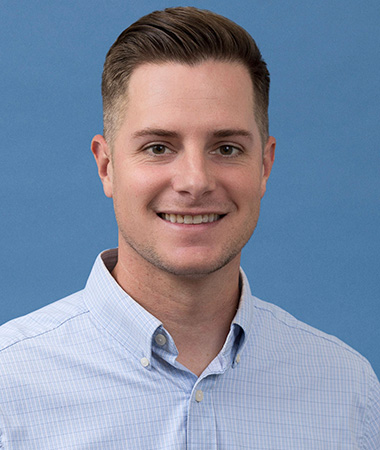
David Clewett
University of California Los AngelesDr. Clewett is an Assistant Professor of Psychology at the University of California, Los Angeles, and director of the Adaptive Cognition, Memory, and Emotion (ACME) Lab. He is also the Bernice Wenzel and Wendell Jeffrey Term Endowed Chair in Cognitive Neuroscience and an Alfred P. Sloan Fellow. His research investigates how dynamic changes in emotion and arousal not only influence what we remember, but also how memories are segmented, organized, and integrated over time. His lab further examines how arousal dysregulation in Alzheimer’s disease (AD) and post-traumatic stress disorder (PTSD) contributes to memory fragmentation, with the goal of identifying early biomarkers and targets for intervention. Prior to joining UCLA, he received his Ph.D. in Neuroscience from the University of Southern California in 2016, where he worked with Dr. Mara Mather to study emotion-cognition interactions. He then completed a postdoctoral fellowship with Dr. Lila Davachi at New York University and Columbia University, where he investigated how episodic memories are constructed from continuous experience.
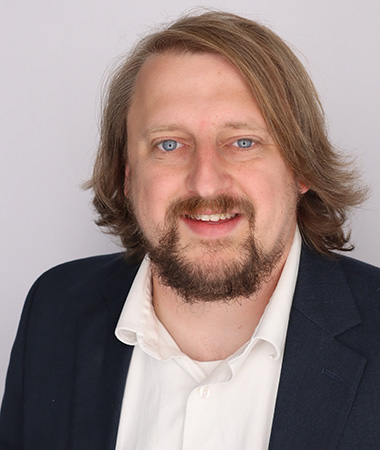
Robert Fite
University of IndianaDr. Robert Fite is a postdoctoral fellow in the Study of Affective Disorders’ Classification and Treatment (SADCAT) lab at Indiana University. His research interests are focused on studying risk factors for the development and maintenance of internalizing disorders (e.g., PTSD), as well as how to improve treatment outcomes for those with internalizing disorders. A particular focus of his work is on understanding the ways in which situations are interpreted or appraised affect subsequent outcomes, as well as how cognitive change strategies can be optimized to improve outcomes.
