
-

Attitudes Improve for Sex and Race. Disability and Age? Not So Much
How did attitudes about race, sexuality, age, or disability change in the last decade or so? Researchers examined more than 7 million implicit and explicit tests for an article published in Psychological Science. In this conversation, APS’s Ludmila Nunes speaks with APS member Tessa Charlesworth (Harvard University), the article’s lead author.
-

Self-Injury: Can the Internet Play a Positive Role?
To speak about self-injury and how online communities might help, Emma Preston, an APS member and graduate student at the University of Southern California, joined APS’s Ludmila Nunes.
-

Love Lets Us Learn: Psychological Science Makes the Case for Policies That Help Children
APS President Alison Gopnik discusses the increasing amount of scientific evidence that our experiences as children shape our adult lives.
-
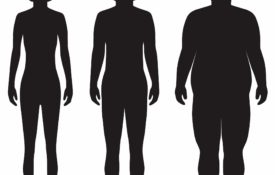
Underweight and Overexposed: How Women’s Perceptions of Thinness Are Distorted
Recent research suggests that women’s judgments about other women’s bodies can be biased by an overrepresentation of thinness. Sean Devine explains these findings and elaborates on their implications for policy.
-

The August Collection: Attitude Changes, Cognition in Lemurs, and Much More
In this episode of Under the Cortex, APS’s Ludmila Nunes and Andy DeSoto discuss five recent articles that examined cognitive control in lemurs, ADHD, how attitudes and biases changed in the last decade, and much more.
-
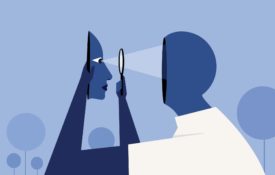
A Paradox in the Field: Mental-Health Disorders Among Psychologists
What do we know about the prevalence of mental health difficulties among psychological scientists? APS member Sarah Victor, a clinical psychologist and professor at the Texas Tech University, joined APS’s Ludmila Nunes to discuss mental health among psychologists.
