
-
Emily Finn: Young American Scientist Studying How People Interpret the Same Things Differently
Neuroscientist Emily Finn often trawls Reddit for disagreements about television shows, movies, books or podcasts—any narratives that “evoke really different reactions in different people,” she explains. She is fascinated by the way individuals can walk away from the same story with vastly different takes. “What’s different across the brains of people who ultimately arrive at really different interpretations?” she asks. That question is especially relevant in a time of increasing political polarization, as people’s perspectives on the world sharply diverge.
-

New Research From Clinical Psychological Science
A sample of recent research covering alcohol use, adolescent development, executive function and more.
-
What Can a Tornado Teach Us About Kindness?
One evening back in May of 2011, tornado sirens went off in a small city in Southwestern Missouri called Joplin. Thousands of homes were destroyed in the tornado, about a third of the town's 50,000 residents were displaced and around 160 people died. And in the months following the tornado, the town became known not just for the destruction, but the kindness and cooperation that led to its recovery. So how is it possible that people's worst moments can lead them to think about others? Scientists who have studied behavior after mass traumas say, disasters can spark an outpouring of kindness and form powerful bonds between strangers.
-
Want to Be More Patient? Try These 6 Expert-Backed Tips
... For times in your day where you’d really like to be more patient and present because it’s something that truly matters to you — like taking care of your child or pet — try to reframe the task as a privilege. “The framing of it shifts how you experience that time,” said Cassie Mogilner Holmes, a professor at the UCLA Anderson School of Management and author of “Happier Hour: How to Beat Distraction, Expand Your Time, and Focus on What Matters Most.” ... Or consider the task of putting your kids to bed, Mogilner Holmes offered. If you see the bedtime routine as something to just get through, then every little delay becomes frustrating.
-
He’s Studied Procrastination for 40 Years. Here’s What He’s Learned
Joseph Ferrari has a nickname for procrastinators — procs — and he’s been studying them for 40 years. He became fascinated with procrastination when he was working on a PhD in experimental psychology and realized that no one had studied the psychology of why some people put off completing tasks. Because he is not a proc, he immediately got to work, exploring what causes procrastination across various cultures and demographics. He went on to write multiple books on the topic, including “Still Procrastinating?” in 2010.
-
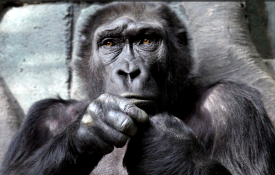
Like Humans, Great Apes Think Differently From Each Other
A new study assesses how cognitive skills of great apes vary between individuals.
