
-
New Immigrants, New Research Opportunities
Since the 19th century, immigration and psychology have shaped each other in the United States — for better or worse. Back then, people who attempted to enter the country at Ellis Island faced psychological tests
-
Rich people, surrounded by other rich people, think America is richer than it really is
The Washington Post: Economic segregation has some obvious consequences for how we live. It means that poor and rich children attend different schools, that their parents shop in different stores, that their families rely on
-
Psychology in an Economic World
Poverty, wealth, and their cognitive, emotional, and neurochemical consequences dominated the discussion in the opening integrative science symposium at ICPS. Moderated by Daniel Cervone, who co-chairs the program committee for the event that kicked off
-

Having Wealthy Neighbors May Skew Beliefs About Overall Wealth Distribution
Wealthy people may be likely to oppose redistribution of wealth because they have biased information about how wealthy most people actually are, according to new research published in Psychological Science, a journal of the Association
-
Intuition and Cooperative Decision Making Focus of APS Registered Replication Report Project
Editors of Perspectives on Psychological Science are now accepting proposals from researchers who would like to participate in a new Registered Replication Report (RRR) designed to replicate a 2012 experiment on cooperation and selfishness in economic decision
-
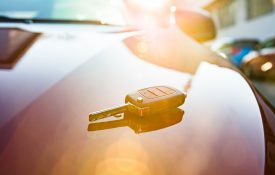
The Seduction of a Sunny Day: How Weather Biases Car Buying Behavior
An analysis of 40 million car sales reveals the weather on the day of purchase can bias buyers towards choosing a car they may later regret.
