
-

New Content From Perspectives on Psychological Science
A sample of articles on COVID-19 vaccine efficacy, theory building in psychological science, motivation and endocrine responses, and the influence of how children explain differences in their classroom on performance.
-
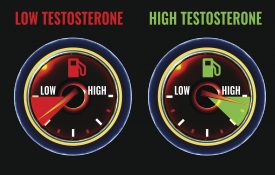
How DNA and Testosterone May Affect Men’s Driving
New findings raise the possibility that men with a specific mix of biology and personality traits may be prone to aggressive driving as well as other fiery behavior.
-

Burnout and the Brain
Burnout is not just a state of mind. Psychological research shows it to be a condition that leads to distinctive changes in the anatomy and functioning of the brain.
-
Two Hormones Predict Negotiators’ Success
New research recently published in Psychological Science demonstrates that two hormones can exert a strong influence over a bargainer’s success in a negotiation: testosterone and the stress hormone cortisol. Testosterone is often associated with aggressive
-
New Research From Clinical Psychological Science
Read about the latest research published in Clinical Psychological Science: Influences of Ovarian Hormones on Dysregulated Eating: A Comparison of Associations in Women With Versus Women Without Binge Episodes Kelly L. Klump, Sarah E.
-
When Equality Loses
Despite our inclination to believe equality within a team or group is important, new research suggests that a built-in hierarchy leads to fewer group conflicts and higher productivity. The research finds a team or group
