
-
It Might Be ‘Pre-Crastination’ That’s Hurting Your Productivity
Inc.: It would seem counter intuitive that the habit of attacking projects and to-do lists without a moment’s hesitation is anything but ulta-productive. Yet some researchers think that sometimes doing the opposite of procrastinating–or pre-crastinating–could cost you time
-
Per ottenere sollievo dallo stress decidiamo di “pre-crastinare” (To get relief from stress we decide to “pre-crastinate”)
La Stampa: Ogni nuovo compito o lavoro che ci viene affidato è causa di stress. Quasi tutti ne siamo soggetti, perché sentiamo crescere un’ansia dentro che ci vorrebbe far liberare di questo il prima possibile.
-
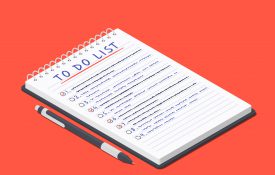
Get It Over With: People Choose More Difficult Tasks to Get Jobs Done More Quickly
Most of us are well-acquainted with procrastination, but new research suggests that “pre-crastination”—hurrying to complete a task as soon as possible—may also be a common phenomenon.
-
You Feel Closer to Your Destination Even When You’re Not
Pacific Standard: If there’s one thing science is good at, it’s showing us how things we do every day affect the way we think and feel about the world in ways we’d never imagine. Take
-
Your Brain Has No Idea Where It’s Going
TIME: Want proof that your brain isn’t as smart as it assumes it is? Take this pop quiz: Say you’re standing at 42nd St. in Manhattan waiting for an uptown bus and plan to get
-
Uncovering a New Angle on Mental Distance
Why does the second hour of a journey seem shorter than the first? According to research from University of Toronto Scarborough (UTSC) and the Rotman School of Management, the answer lies in how we’re physically
